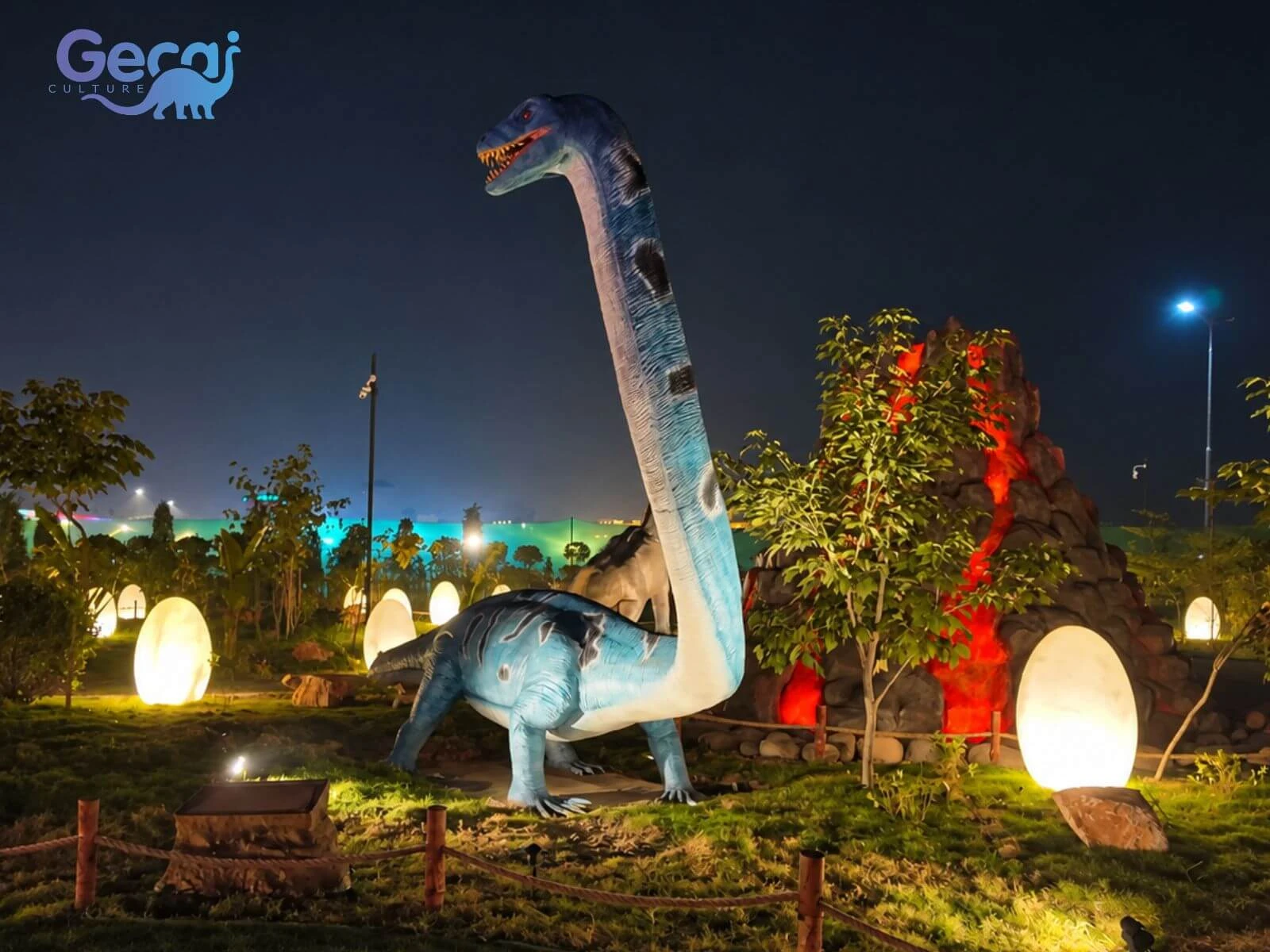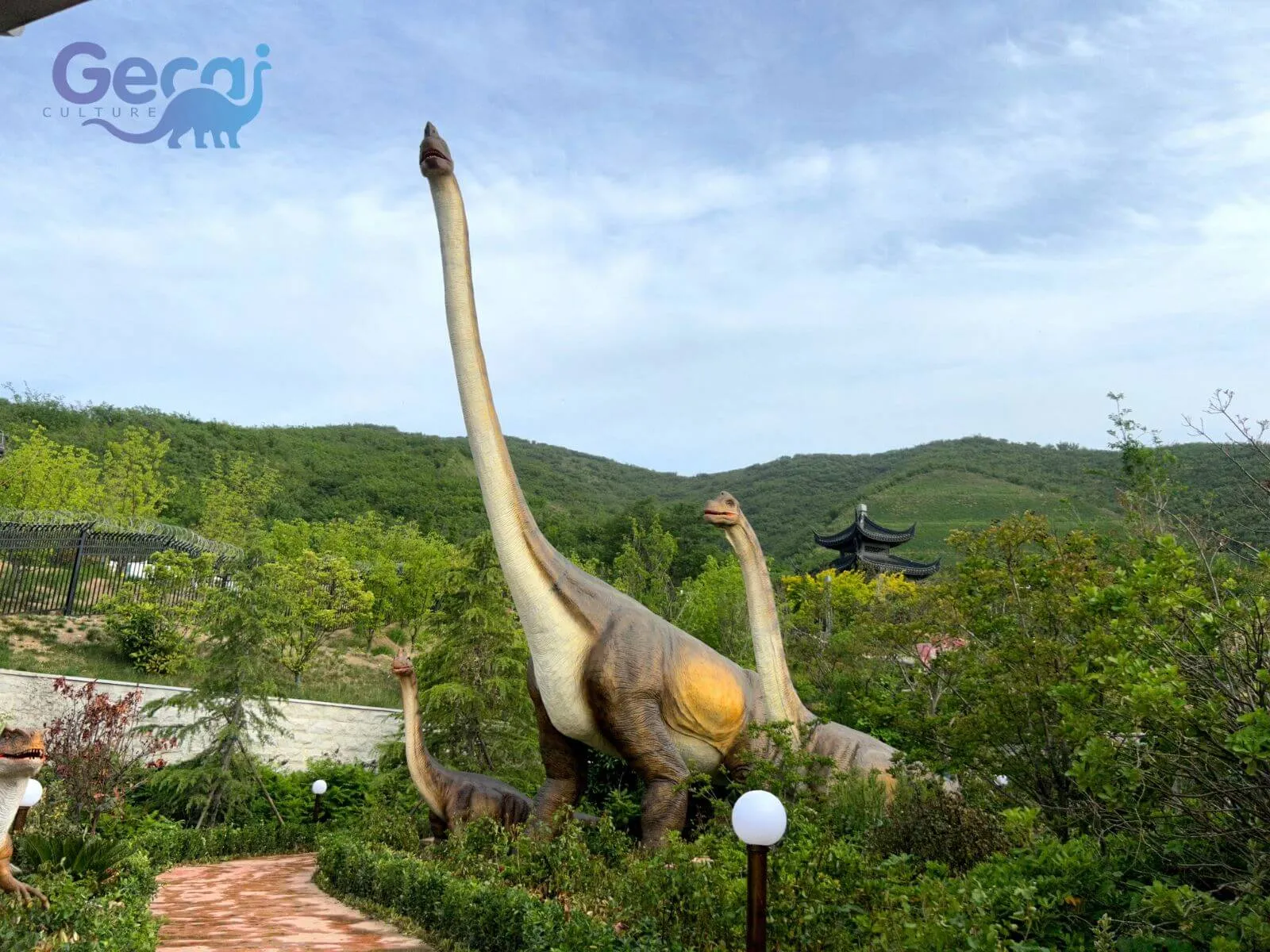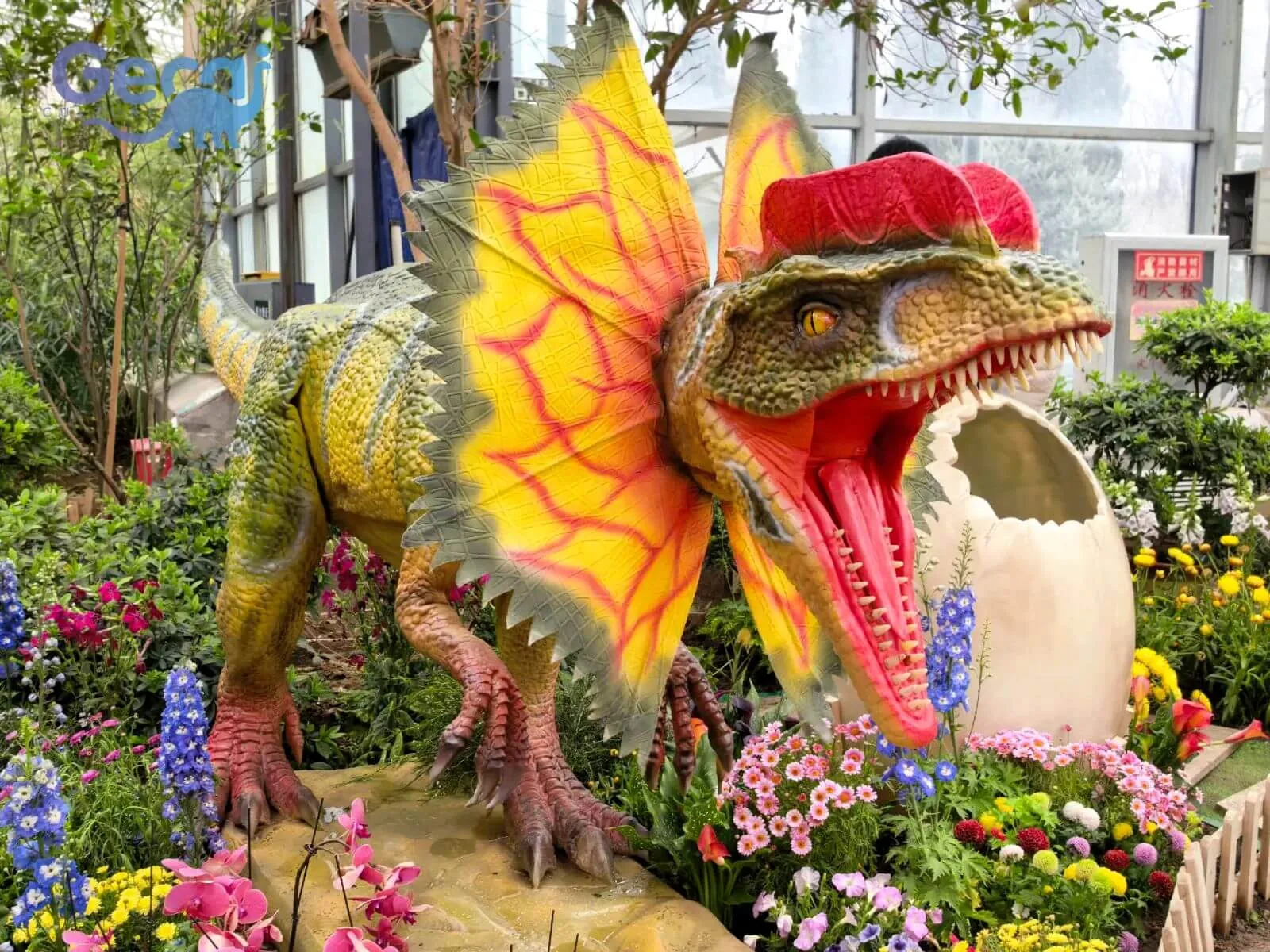
About us
Gecai Culture stands at the forefront of bringing the past to life through our state-of-the-art Animatronic Dinosaurs, enchanting Animatronic Creatures, vibrant Chinese Festival Lanterns, and tailored Custom Products. As a professional manufacturer nestled in the heart of China, we harbor a deep-seated passion for showcasing our lifelike dinos and animals in museums, exhibitions, zoos, parks, and beyond, aiming to kindle a flame of curiosity and learning in people of all ages.
Get a free quote
Company News
How to Build an Outdoor Dinosaur Park
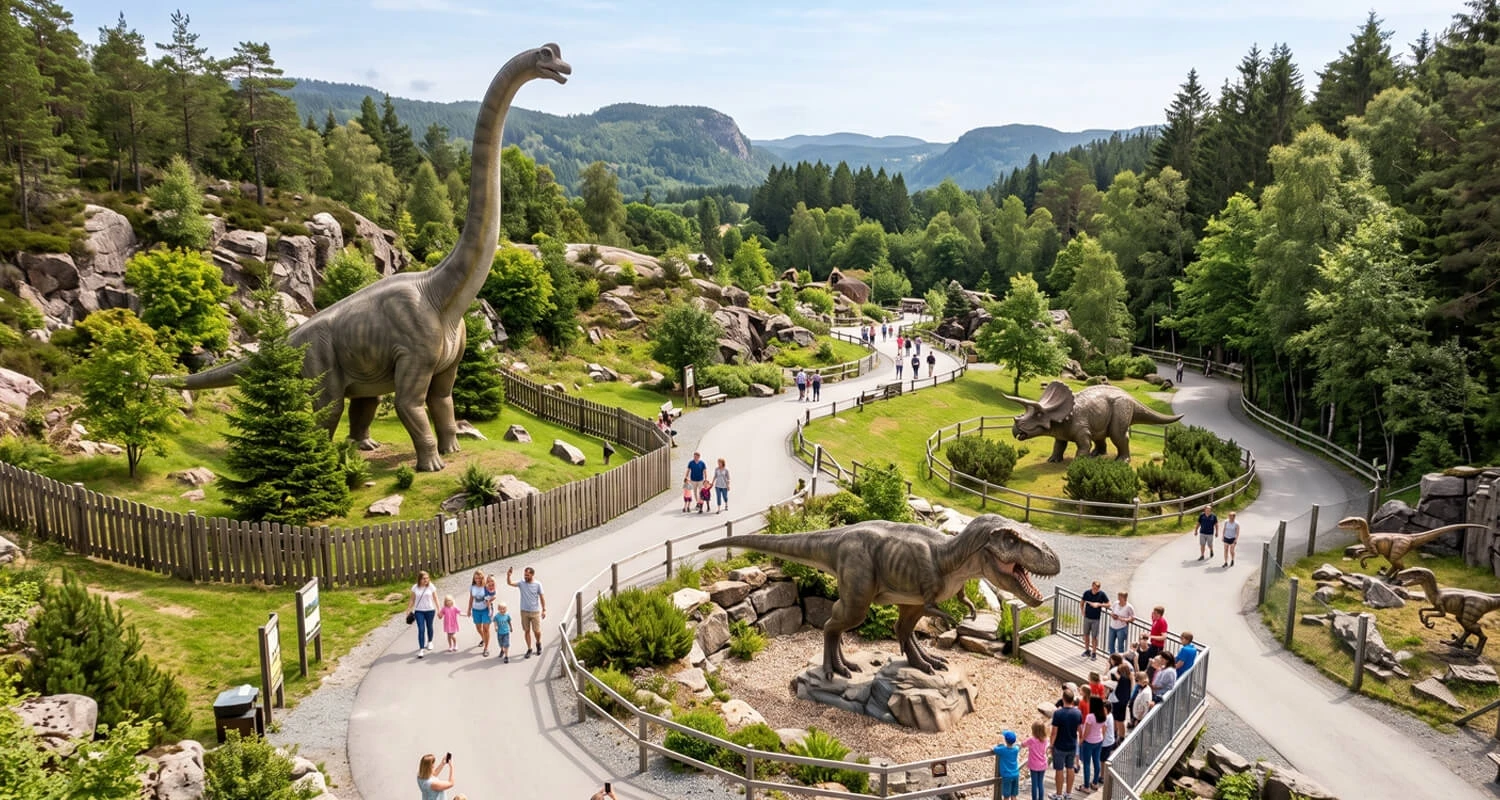
An outdoor dinosaur park can transform a theme park, zoo, botanical garden, resort or tourist attraction into an immersive prehistoric experience. However, a successful project requires more than placing several animatronic dinosaurs around a site. The layout, dinosaur selection, scenery, visitor interaction, outdoor durability and maintenance all affect the final result.
This guide explains the main steps involved in building an outdoor dinosaur park and helps project owners make practical purchasing decisions.
Define the Project Before Selecting Dinosaurs
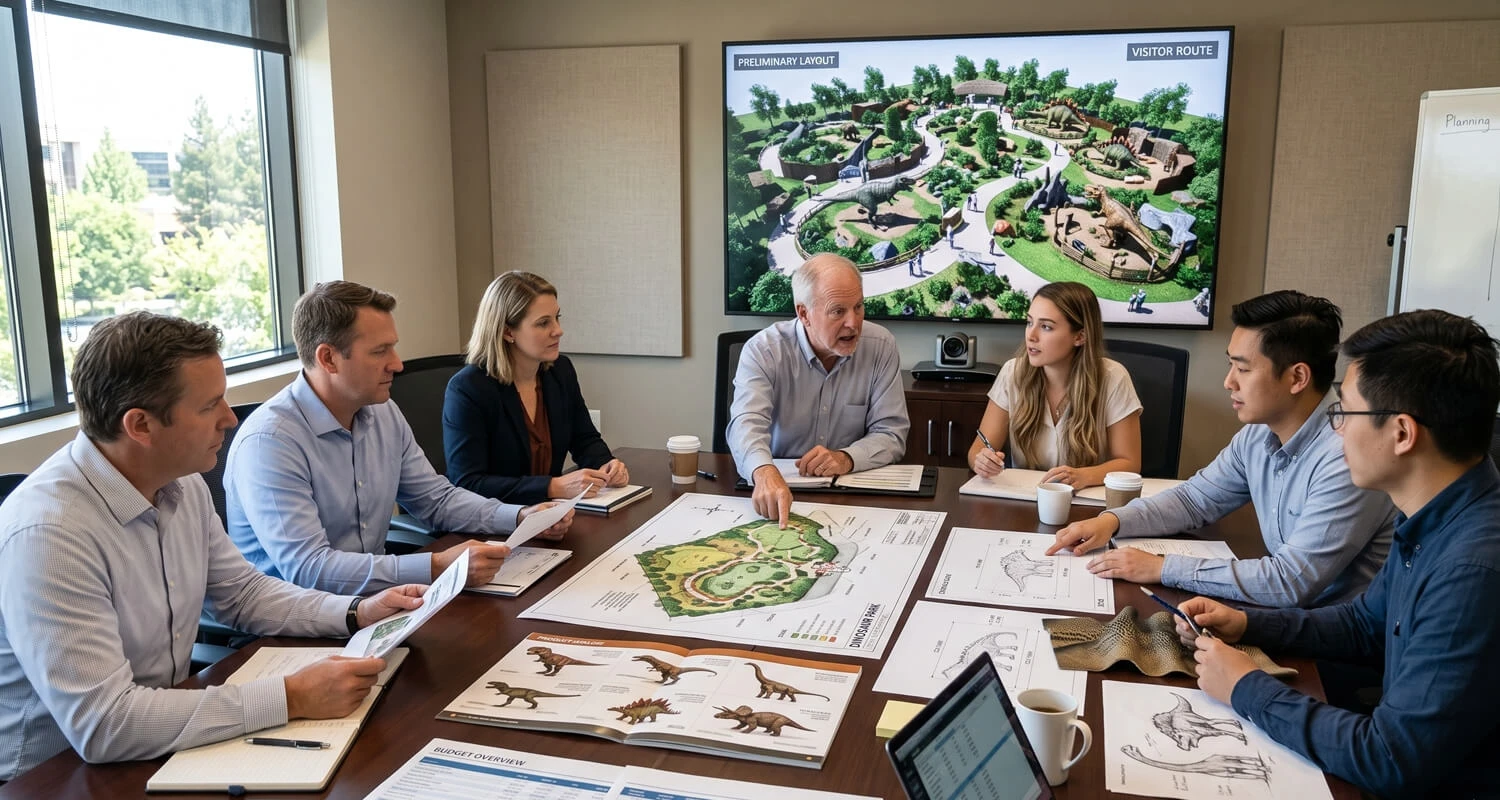
Start by identifying the purpose and scale of the project. Is it a permanent dinosaur attraction, a seasonal exhibition or a temporary festival event?
You should also consider:
Available site area
Target visitors
Estimated visitor capacity
Indoor and outdoor sections
Project budget
Expected opening date
Planned operating period
A family-oriented park may need more interactive exhibits, photo opportunities and smaller dinosaurs. A large tourist attraction may require several impressive centerpiece models, such as a large T-Rex, Spinosaurus or Brachiosaurus.
Defining these details early allows the manufacturer to recommend suitable dinosaur species, sizes and functions.
Choose a Suitable Location
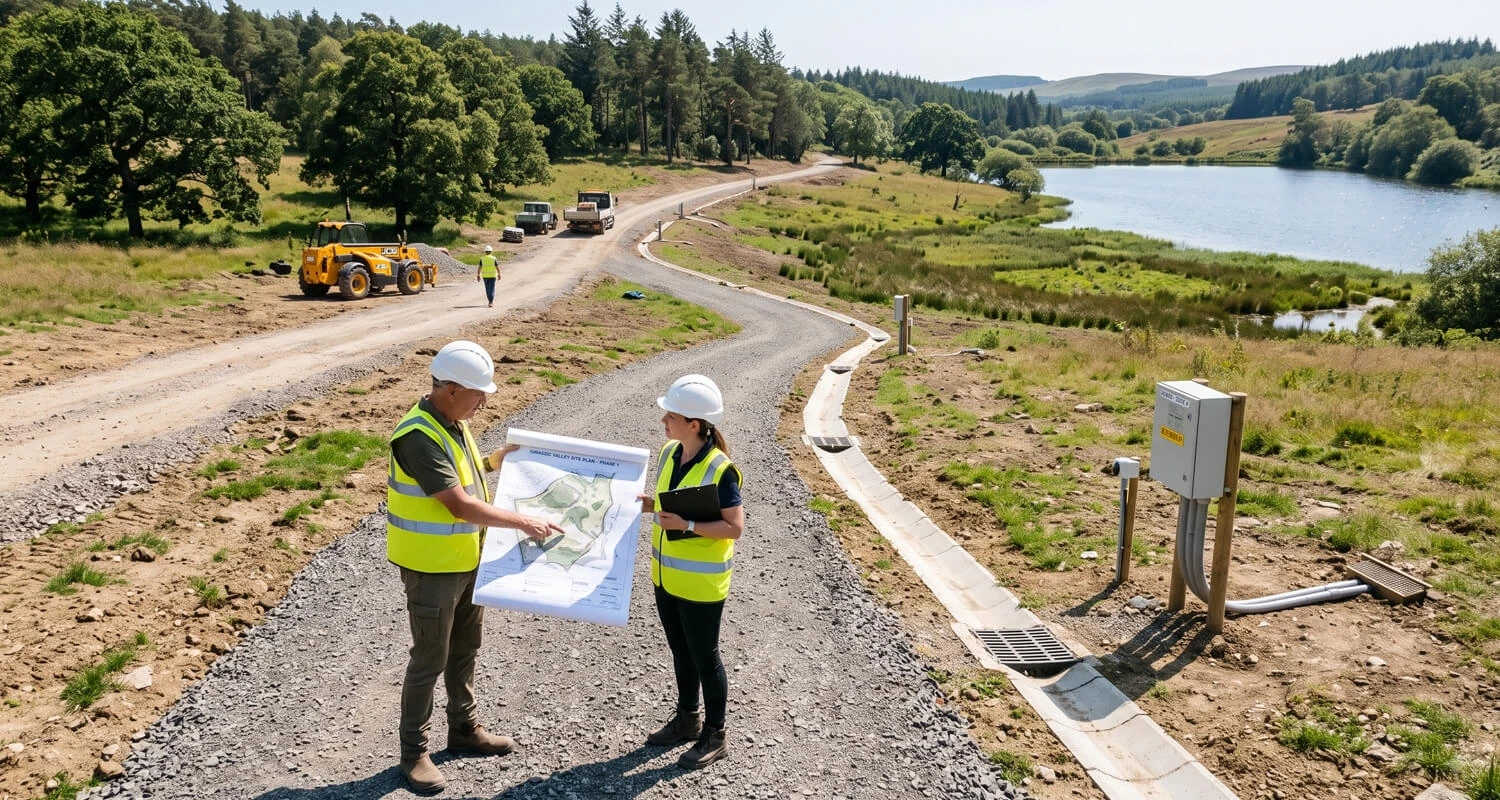
Natural surroundings can significantly improve the appearance of an outdoor dinosaur park. Trees, grass, rocks, slopes and lakes can be incorporated into the prehistoric setting, reducing the amount of artificial scenery required.
The site should also have:
Convenient visitor access
Reliable electricity
Effective drainage
Safe and wide walking routes
Space for installation and maintenance
Suitable access for trucks, forklifts or cranes
Before finalizing the layout, check whether large animatronic dinosaurs can be delivered to their intended installation areas. Narrow entrances, low bridges or restricted vehicle access may affect transportation and installation.
Plan the Layout and Visitor Route
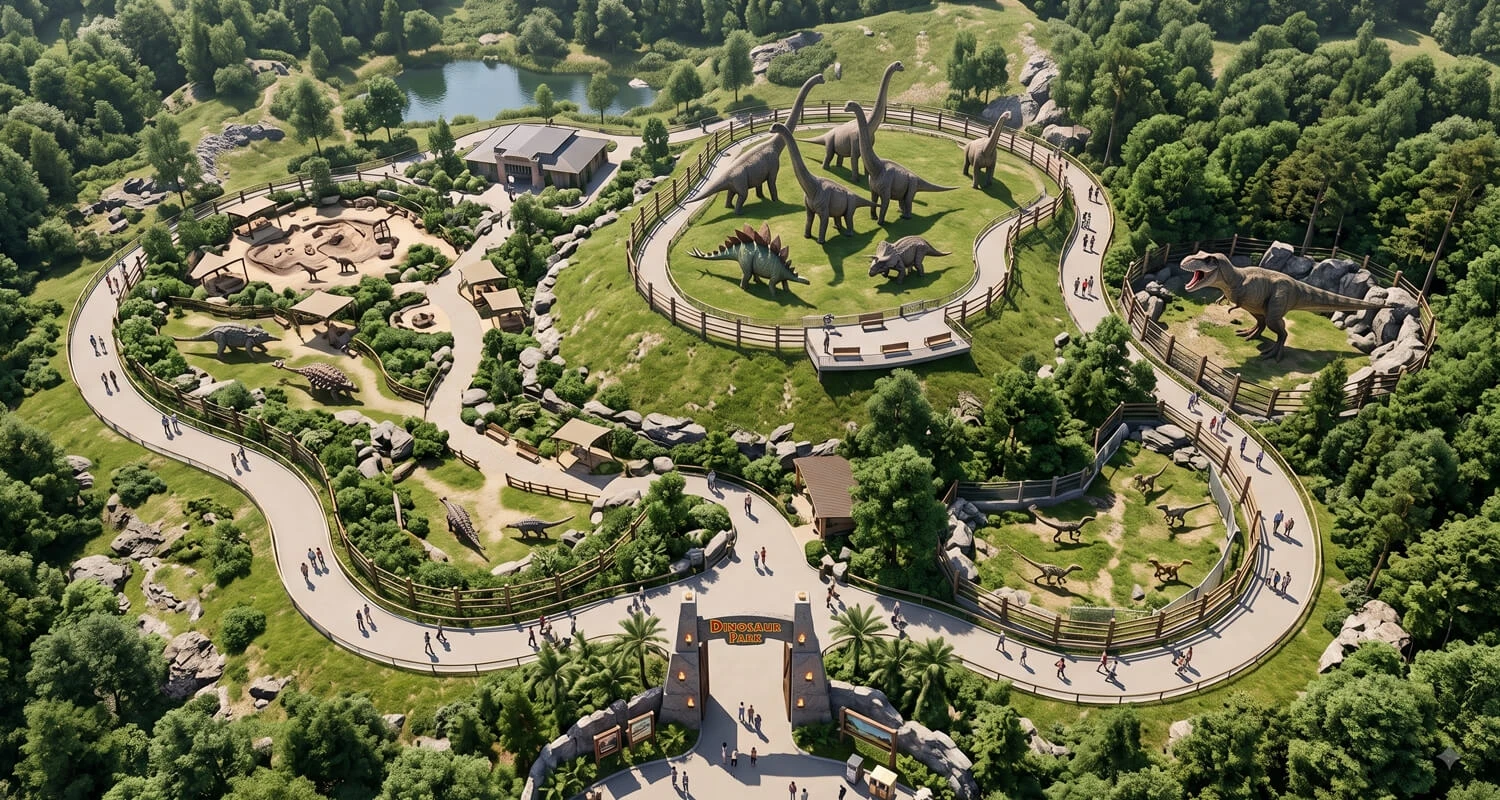
A clear visitor route helps control the flow of people and makes the exhibition more engaging. Instead of placing all dinosaurs in one area, divide the park into several themed sections.
A basic outdoor dinosaur park may include:
A dinosaur-themed entrance
A main animatronic dinosaur exhibition route
A central landmark exhibit
An interactive experience area
Photo zones
Rest and service areas
Different dinosaur sizes should be combined to create visual depth. Large dinosaurs can be positioned in open areas, while small dinosaurs and family groups work well near paths and interactive zones.
Animatronic dinosaurs should be installed inside designated exhibition areas, behind landscape barriers or on stable platforms. They should not block visitor roads or emergency access routes.
Select the Right Animatronic Dinosaurs
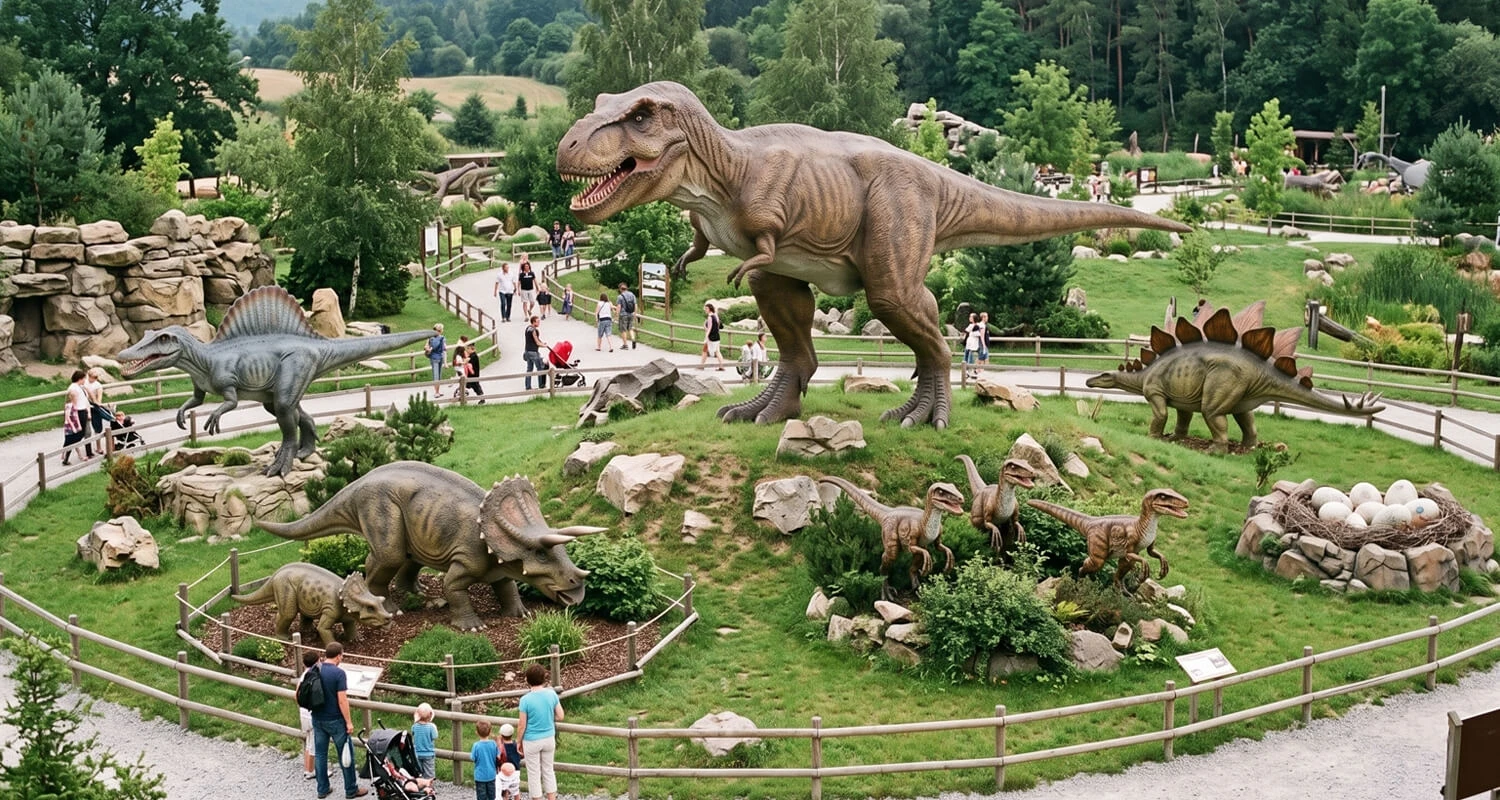
The dinosaur selection should match the available space, project theme and target visitors. Popular species such as T-Rex, Velociraptor, Triceratops, Stegosaurus and Spinosaurus are easily recognized and usually work well as core exhibits.
However, an entire park filled with similar large carnivores can quickly feel repetitive. A more balanced combination might include:
One or two large centerpiece dinosaurs
Medium-sized carnivorous and herbivorous dinosaurs
Dinosaur parent-and-baby groups
Velociraptor hunting scenes
Dinosaur nests and eggs
Small interactive dinosaurs
Size is equally important. A dinosaur that looks impressive in a factory may appear too small in a large open landscape. Manufacturers should therefore evaluate the viewing distance and surrounding environment when recommending dimensions.
Standard Motors or Servo Motors?
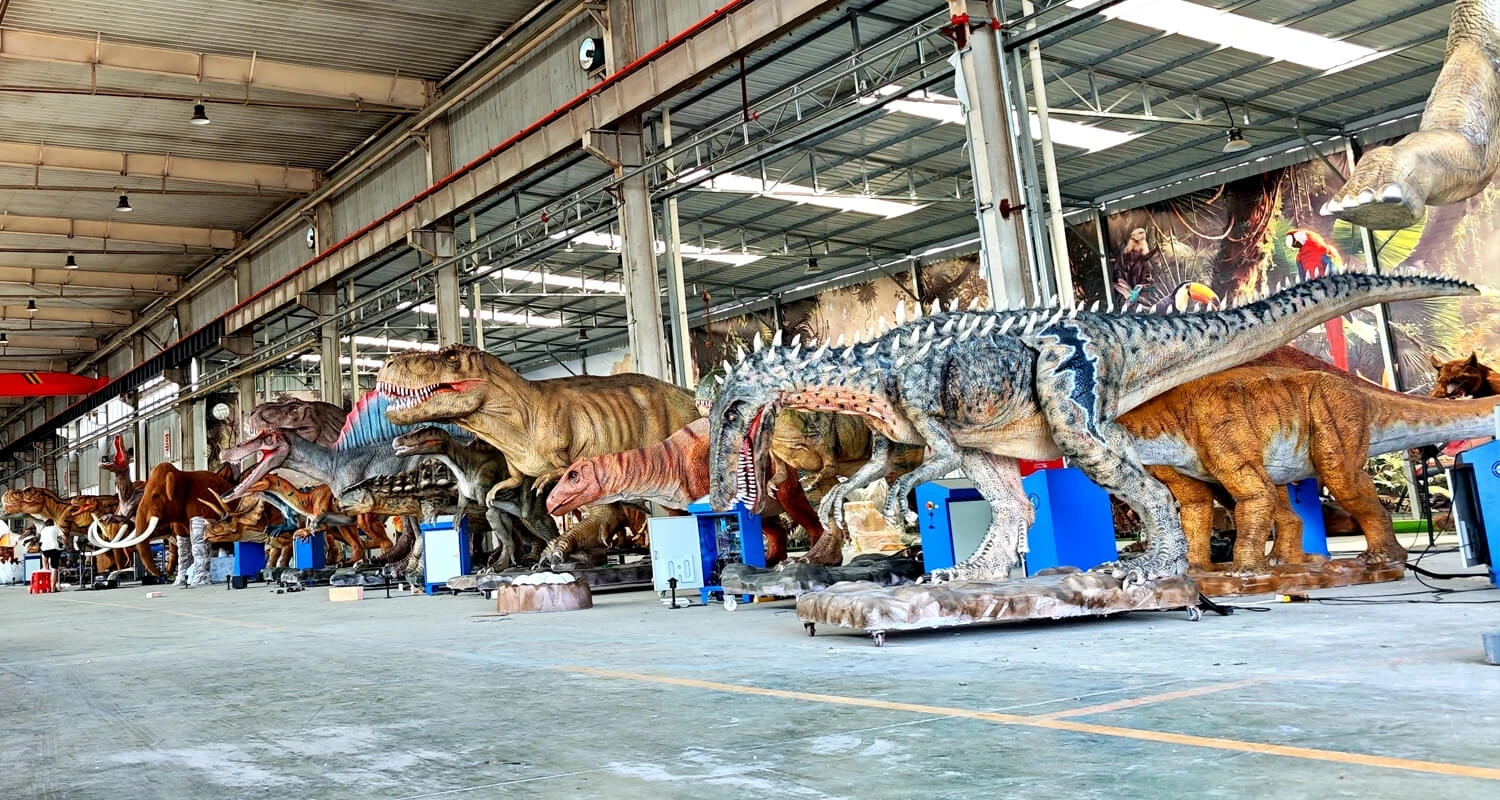
Standard motor animatronic dinosaurs can perform common movements such as opening the mouth, turning the head, moving the neck, swinging the tail and breathing. They are suitable for projects that require a larger number of exhibits within a controlled budget.
Servo motor dinosaurs offer smoother and more precise movements. They are particularly suitable for entrances, performance areas and important photo locations where visitors can observe the model closely.
Combining standard and servo motor dinosaurs is often a practical way to balance visual quality and overall cost.
Create Realistic and Interactive Scenes
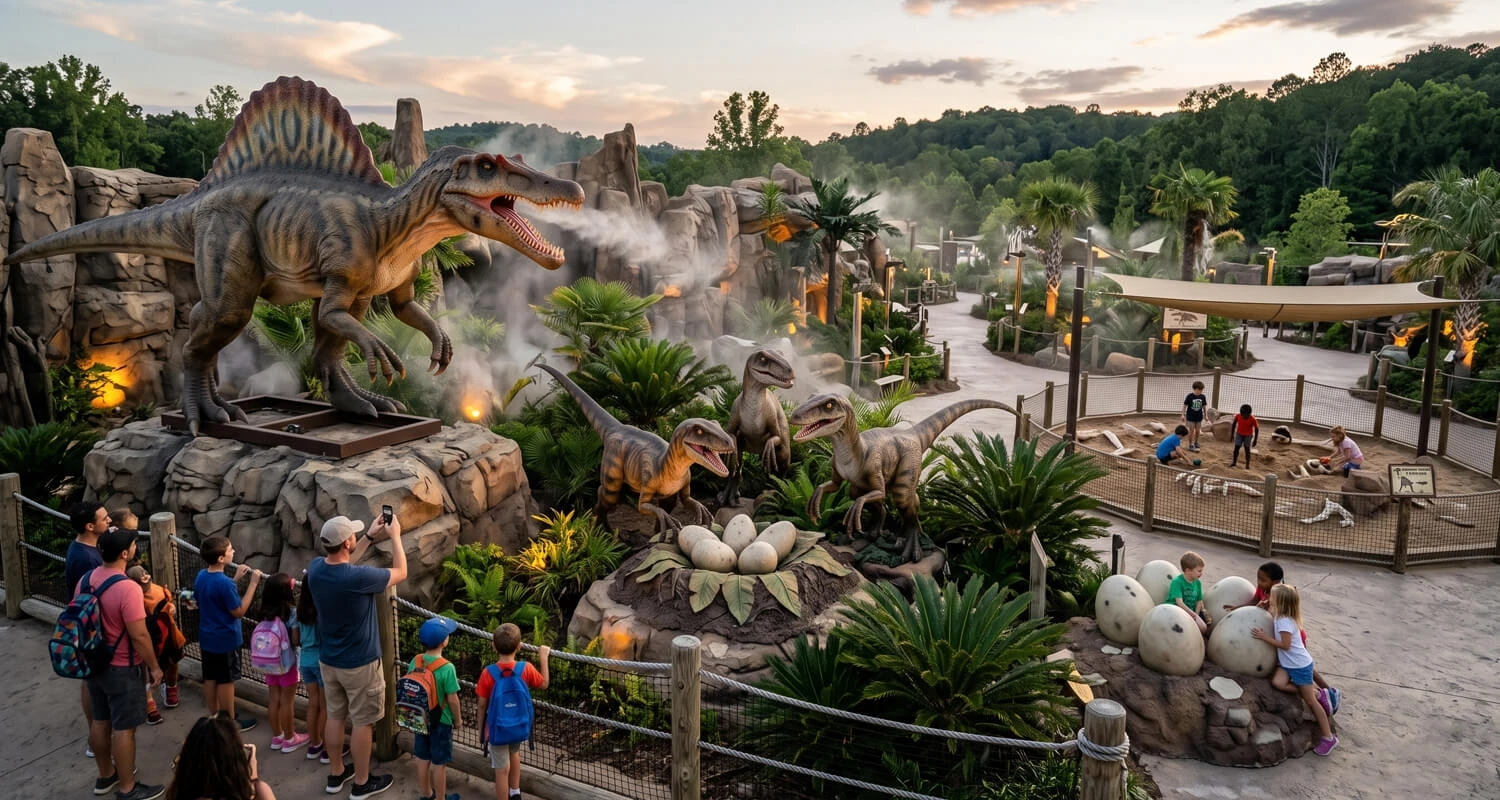
The surrounding scenery helps visitors see the dinosaurs as part of a complete environment rather than as individual models.
Artificial rocks, prehistoric plants, dinosaur nests, fossils, fog and environmental sound effects can make the exhibition more immersive. Mechanical bases, cables and control boxes should be concealed within the landscape whenever possible.
Interactive features can also increase visitor engagement. Common options include:
Infrared sensors that activate movement and sound
Water-spraying or mist effects
Dinosaur rides
Dinosaur egg photo props
Fossil excavation areas
Dinosaur hatching displays
Dinosaur costume performances
Interactive control buttons
Not every dinosaur needs additional functions. It is usually more effective to place interactive exhibits at selected points along the route.
Consider Outdoor Durability and Safety
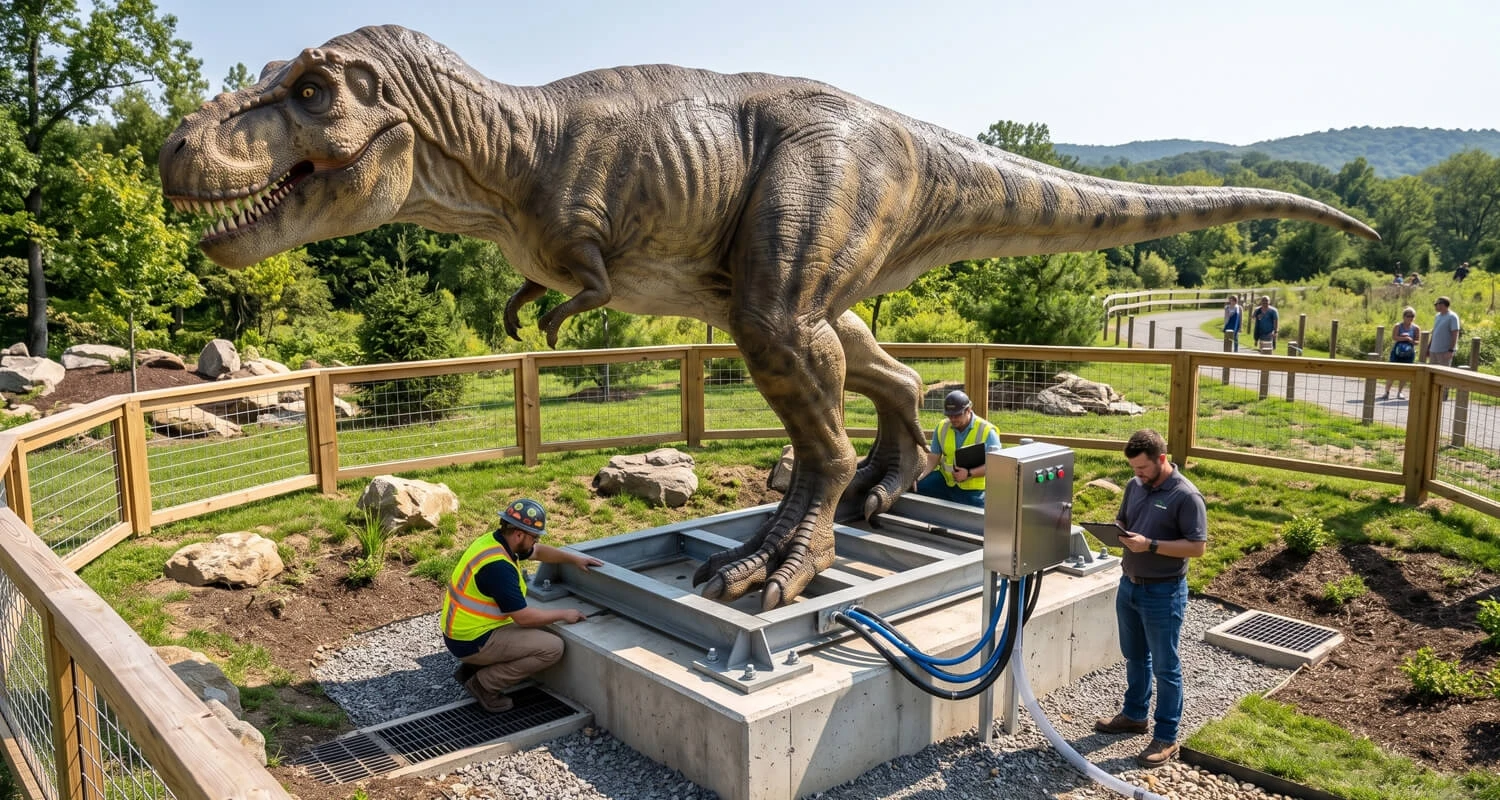
Outdoor animatronic dinosaurs must be designed for the local environment. Rain, sunlight, temperature changes, humidity and strong winds can all affect their performance and service life.
When purchasing outdoor models, confirm whether they include:
Weather-resistant skin materials
UV-resistant surface coatings
Rust-protected steel frames
Protected electrical components
Stable bases and fixing points
Suitable drainage inside the model
Local ground conditions and wind loads should be considered during installation. Large models may require concrete foundations, steel anchors or additional support.
Visitors should also be kept away from moving mechanical parts. Fences, plants, platforms or other landscape barriers can maintain a safe distance without damaging the visual effect.
During severe weather, the equipment should be switched off and inspected before operation resumes.
Arrange Transportation and Installation Early
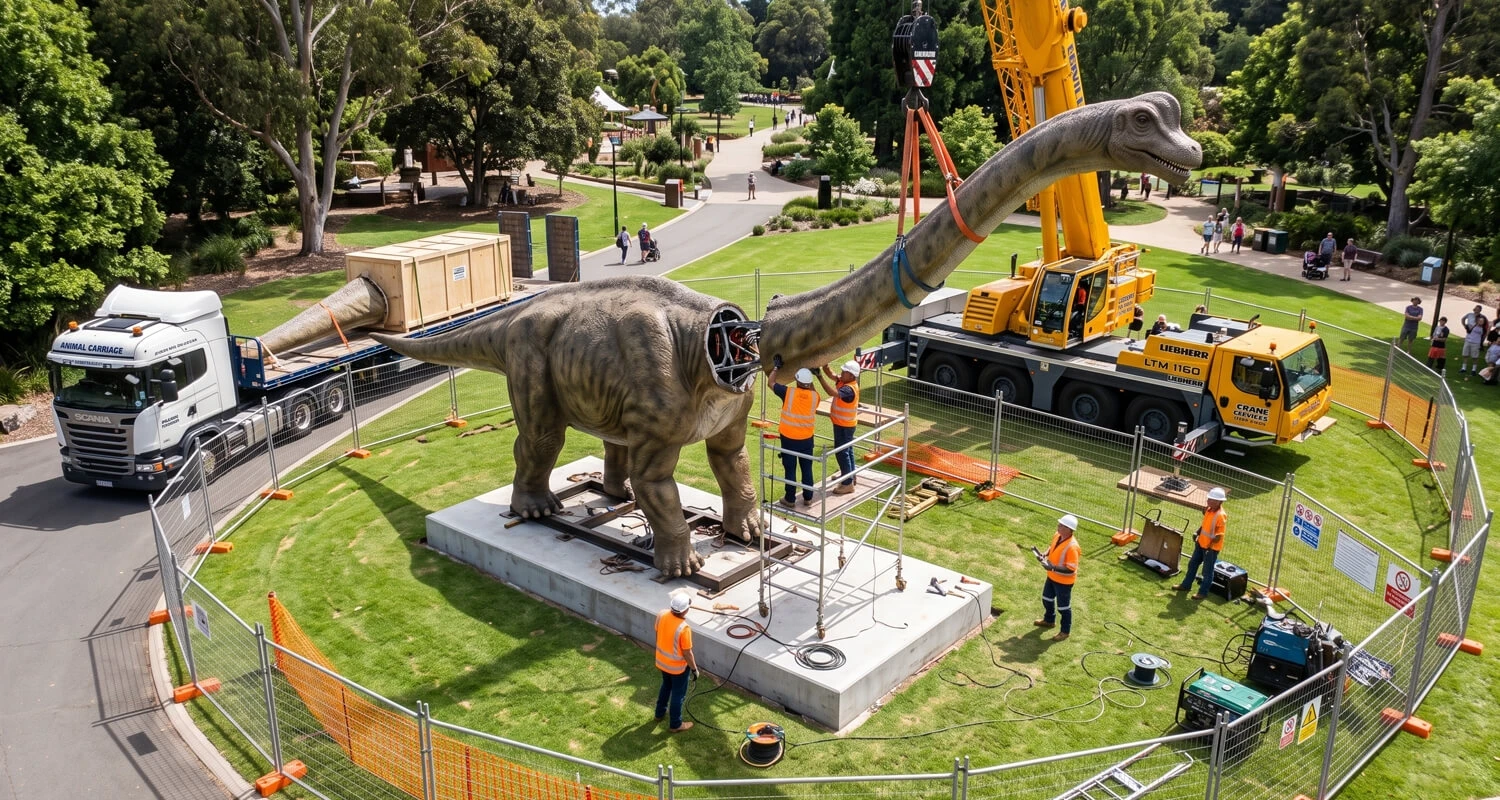
Large animatronic dinosaurs may be divided into several sections for container transportation. The body, legs, tail or neck can then be assembled at the project site.
Before shipment, confirm:
Dinosaur dimensions and quantities
Container requirements
Delivery access
Required lifting equipment
Power standards
Foundation specifications
Installation responsibilities
The manufacturer should test the mechanical movements, sound system and control equipment before packing. Clear installation instructions, wiring diagrams and remote or on-site technical support can reduce installation problems.
Prepare a Maintenance Plan
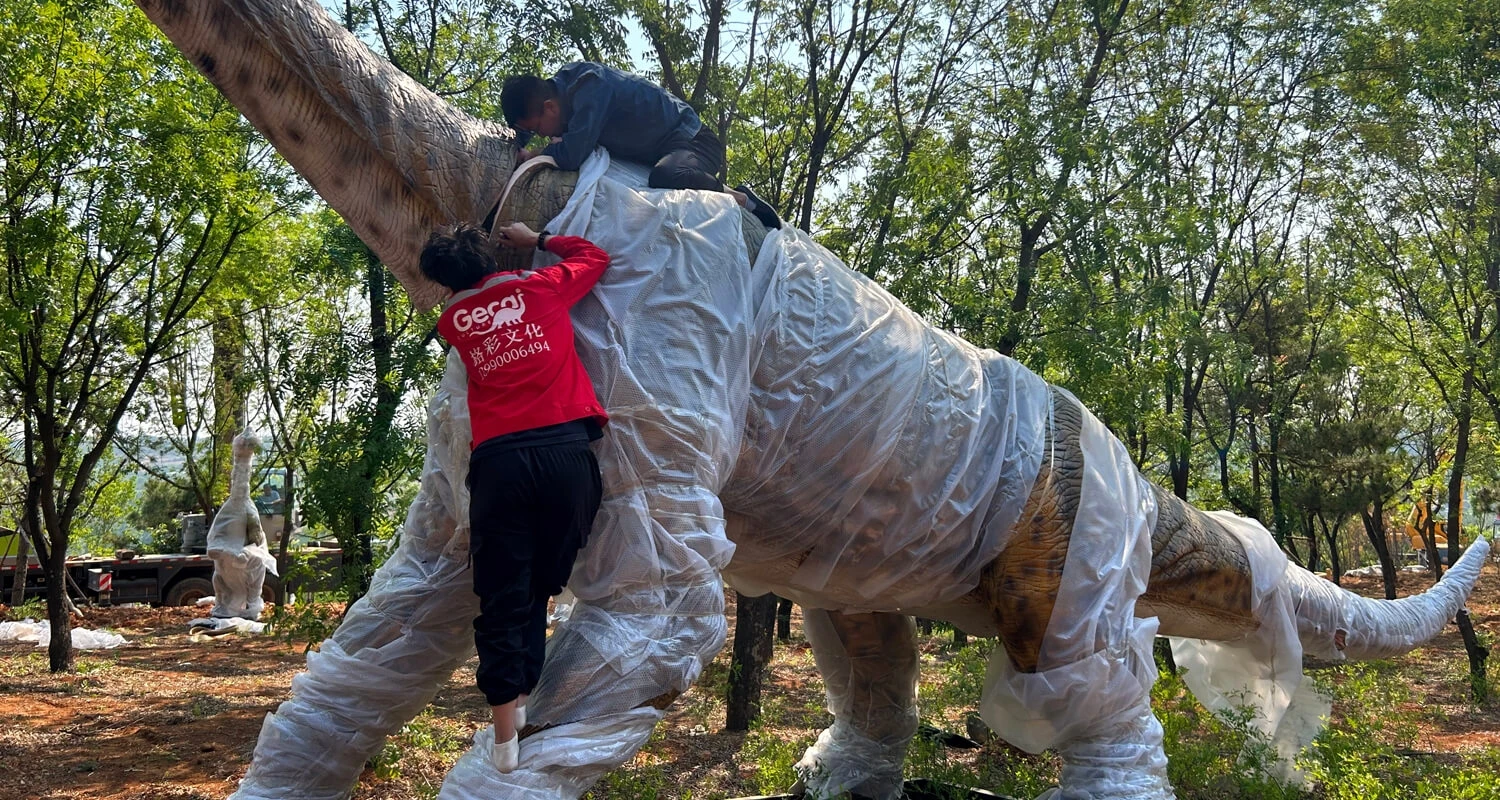
Routine maintenance helps keep the dinosaurs safe and visually attractive. Park operators should regularly inspect:
Movements and unusual mechanical sounds
Electrical cables and control boxes
Skin damage or fading
Bolts, bases and fixing points
Sensors, speakers and special effects
Water accumulation inside or around the model
Cleaning should be carried out with suitable materials to avoid damaging the painted surface. Small skin cracks should be repaired early before they become larger.
It is also useful to keep basic repair materials and frequently used spare parts on site, especially for long-term or remote projects.
How Much Does an Outdoor Dinosaur Park Cost?
There is no standard price for building an outdoor dinosaur park. The total investment depends on several factors:
Number and size of dinosaurs
Dinosaur species and posture
Standard or servo motor systems
Customized movements and effects
Landscape design
Shipping and installation
Local foundations and supporting facilities
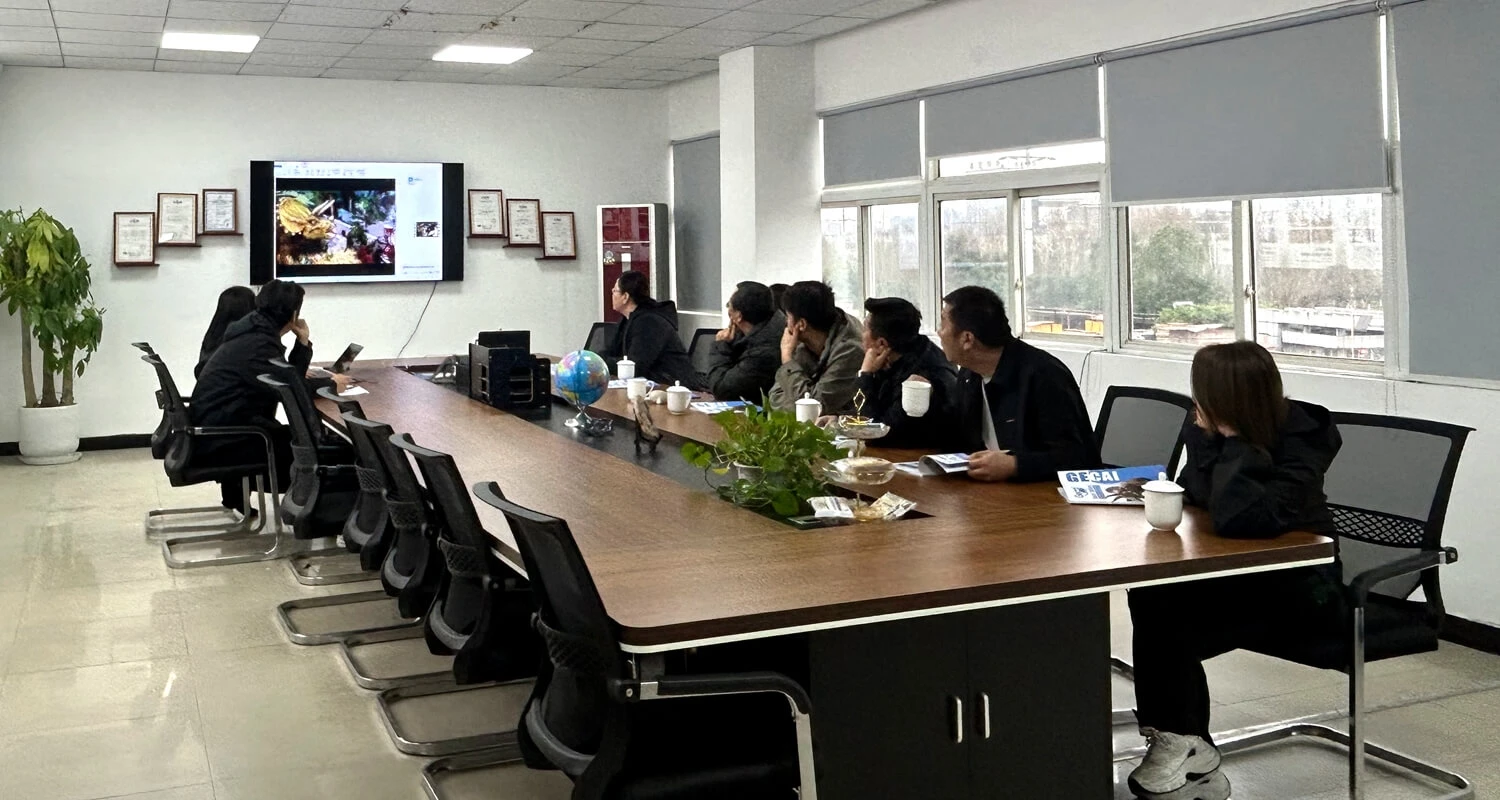
To receive a more accurate proposal, provide the manufacturer with the site dimensions, project location, required dinosaur quantity, preferred functions, budget range and expected completion date.
Work With an Experienced Dinosaur Manufacturer
Building an outdoor dinosaur park requires coordination between product design, mechanical production, scene planning, shipping, installation and after-sales support.
Gecai Culture provides customized animatronic dinosaurs for theme parks, zoos, museums, resorts and outdoor exhibitions. Dinosaur size, color, posture, movements and interactive functions can be adapted to different project requirements.
If you are planning a dinosaur park, send us your site dimensions, project location, preferred dinosaur species and estimated budget. Our team can help you develop a suitable product combination and project proposal.
Tags:dinosaur park