About us
Gecai Culture stands at the forefront of bringing the past to life through our state-of-the-art Animatronic Dinosaurs, enchanting Animatronic Creatures, vibrant Chinese Festival Lanterns, and tailored Custom Products. As a professional manufacturer nestled in the heart of China, we harbor a deep-seated passion for showcasing our lifelike dinos and animals in museums, exhibitions, zoos, parks, and beyond, aiming to kindle a flame of curiosity and learning in people of all ages.
Get a free quote
Company News
10 Animatronic Dragon Attraction Ideas for Dragon Theme Parks
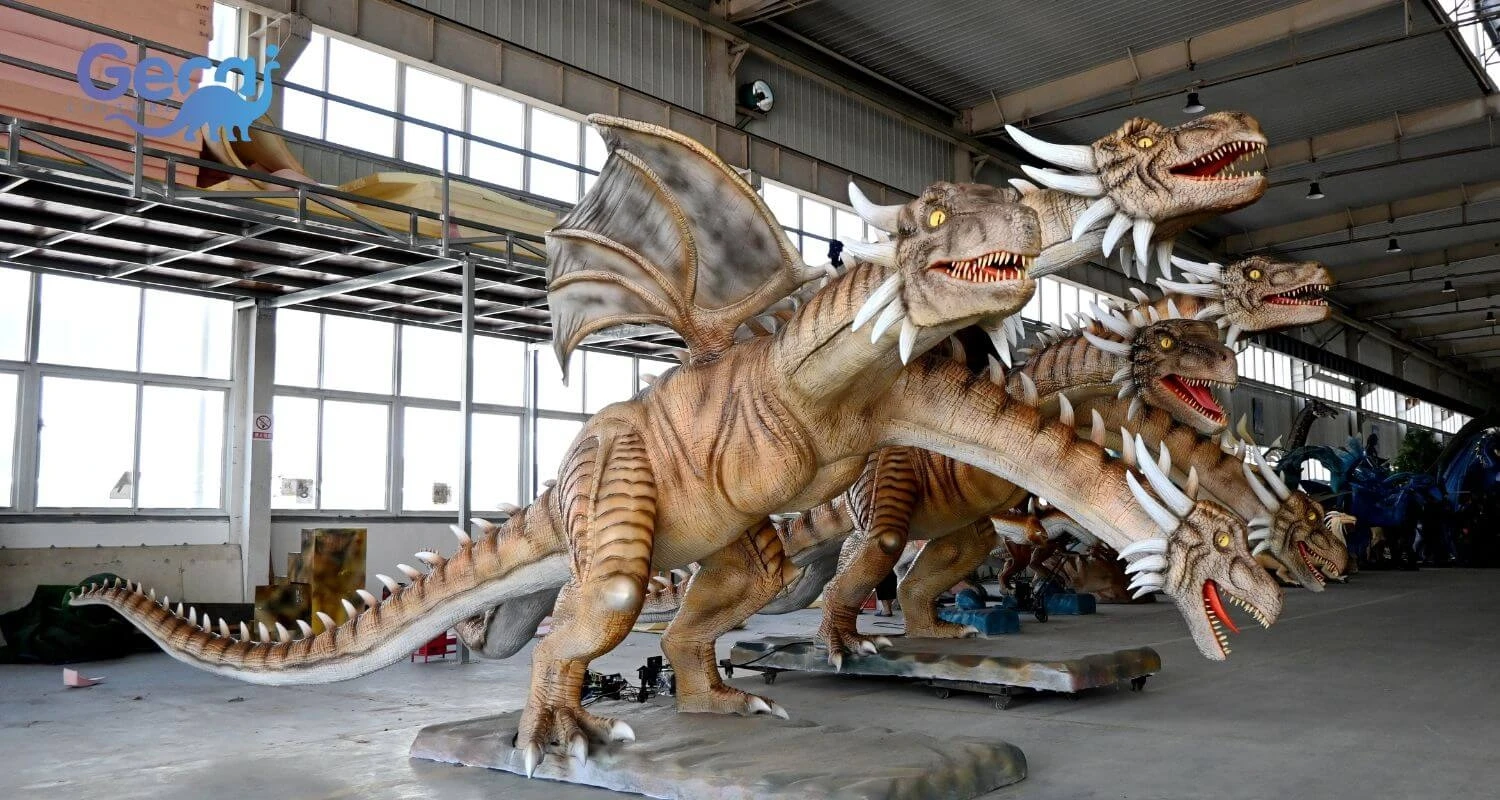
Dragons have fascinated audiences for generations. From fire-breathing Western dragons guarding ancient castles to mysterious creatures hidden deep inside fantasy caves, dragons naturally lend themselves to immersive entertainment.
For theme parks, simply placing a static dragon statue in a corner may create a photo opportunity, but adding movement, sound, smoke, lighting, and interactive effects can transform the same concept into an attraction that feels alive.
That is where animatronic dragons become especially useful. They can be customized in different sizes, appearances, movements, and special effects to fit entrances, fantasy areas, walkthrough attractions, rides, photo zones, and nighttime shows.
If you are planning a new fantasy-themed area or upgrading an existing attraction, here are 10 animatronic dragon attraction ideas for theme parks.
1. Giant Animatronic Dragon at the Park Entrance
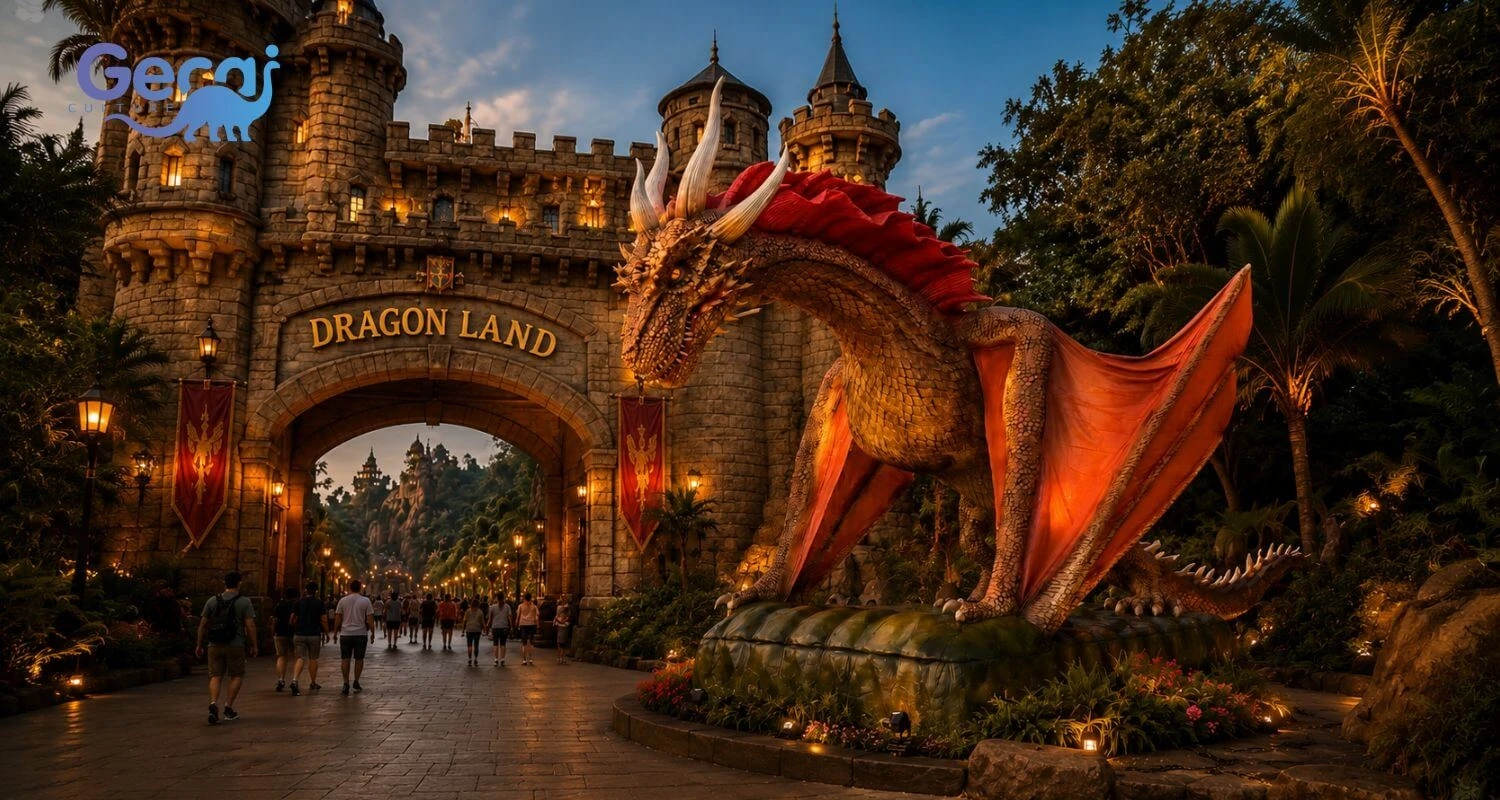
The entrance sets the tone for everything visitors are about to experience. A giant animatronic dragon positioned beside or above the entrance can immediately establish a fantasy atmosphere and create a recognizable landmark for the park.
Instead of remaining completely static, the dragon can slowly turn its head, open and close its mouth, move its neck, blink its eyes, or spread its wings. Coordinated roaring sounds and smoke effects can make the entrance even more dramatic.
The surrounding environment is just as important. A dragon can be integrated with a castle gate, rocky mountain, medieval ruins, or fantasy village rather than displayed as an isolated model.
For larger parks, an entrance dragon can serve several purposes at once: a landmark, a photo opportunity, an introduction to the park's story, and a visual element that visitors remember after leaving.
2. Dragon Cave Walkthrough Attraction
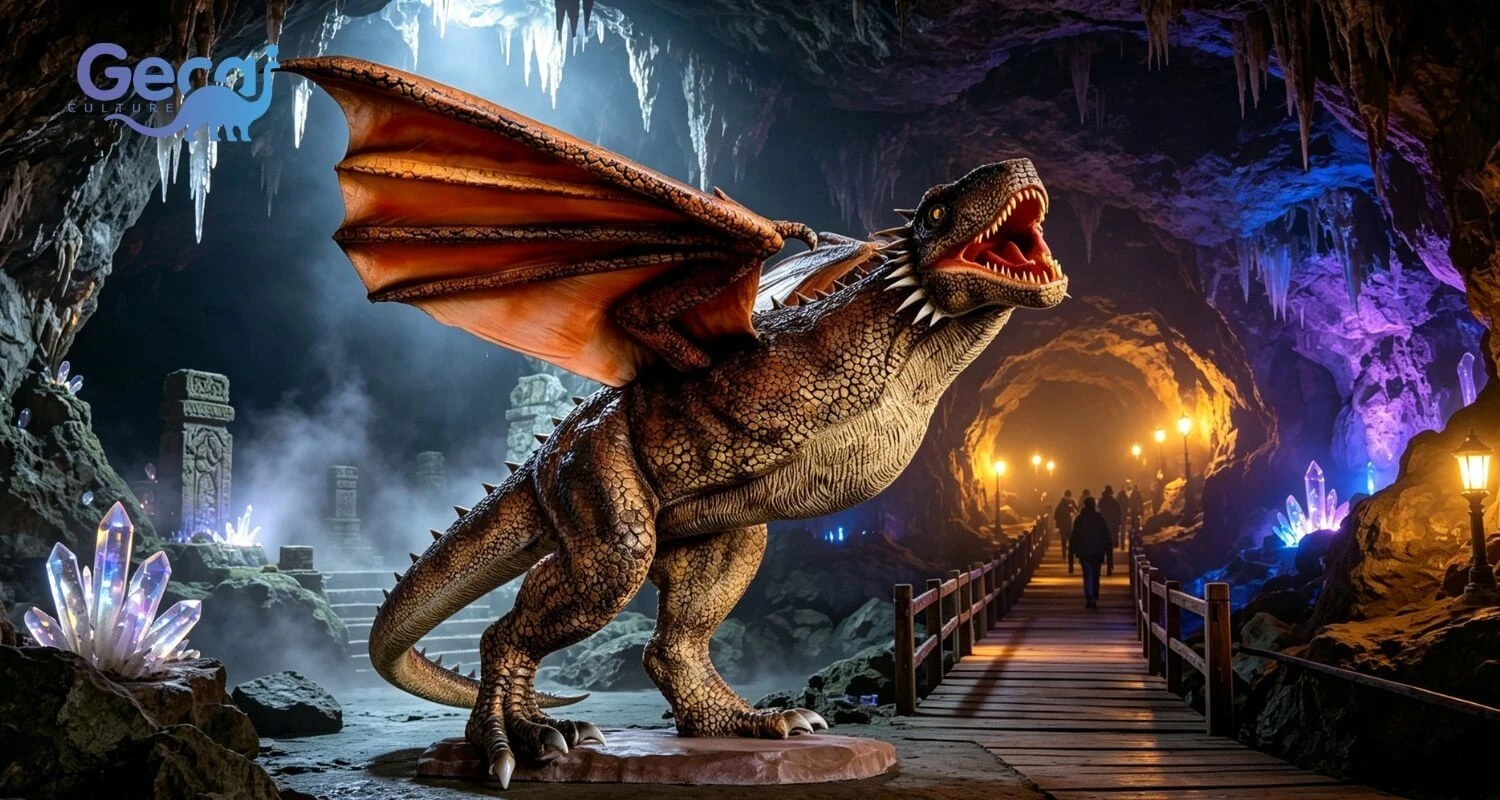
A dragon cave turns the journey toward the animatronic into part of the attraction itself.
Visitors can enter a dark artificial cave filled with rocks, stalactites, mist, glowing crystals, treasure, and ambient sounds. Deep inside, they encounter a large animatronic dragon.
The experience could follow a simple sequence:
Visitors enter the cave → approach the dragon → sensor is triggered → dragon raises its head → mouth opens → roaring begins → smoke appears
Lighting can change at the same time to make the awakening more dramatic.
The dragon does not necessarily need continuous movement. Keeping it relatively still before visitors approach can create anticipation, while triggered movements provide the surprise.
This concept works particularly well for walkthrough attractions, fantasy parks, indoor entertainment centers, and medieval-themed areas.
3. Fire-Breathing Dragon Experience
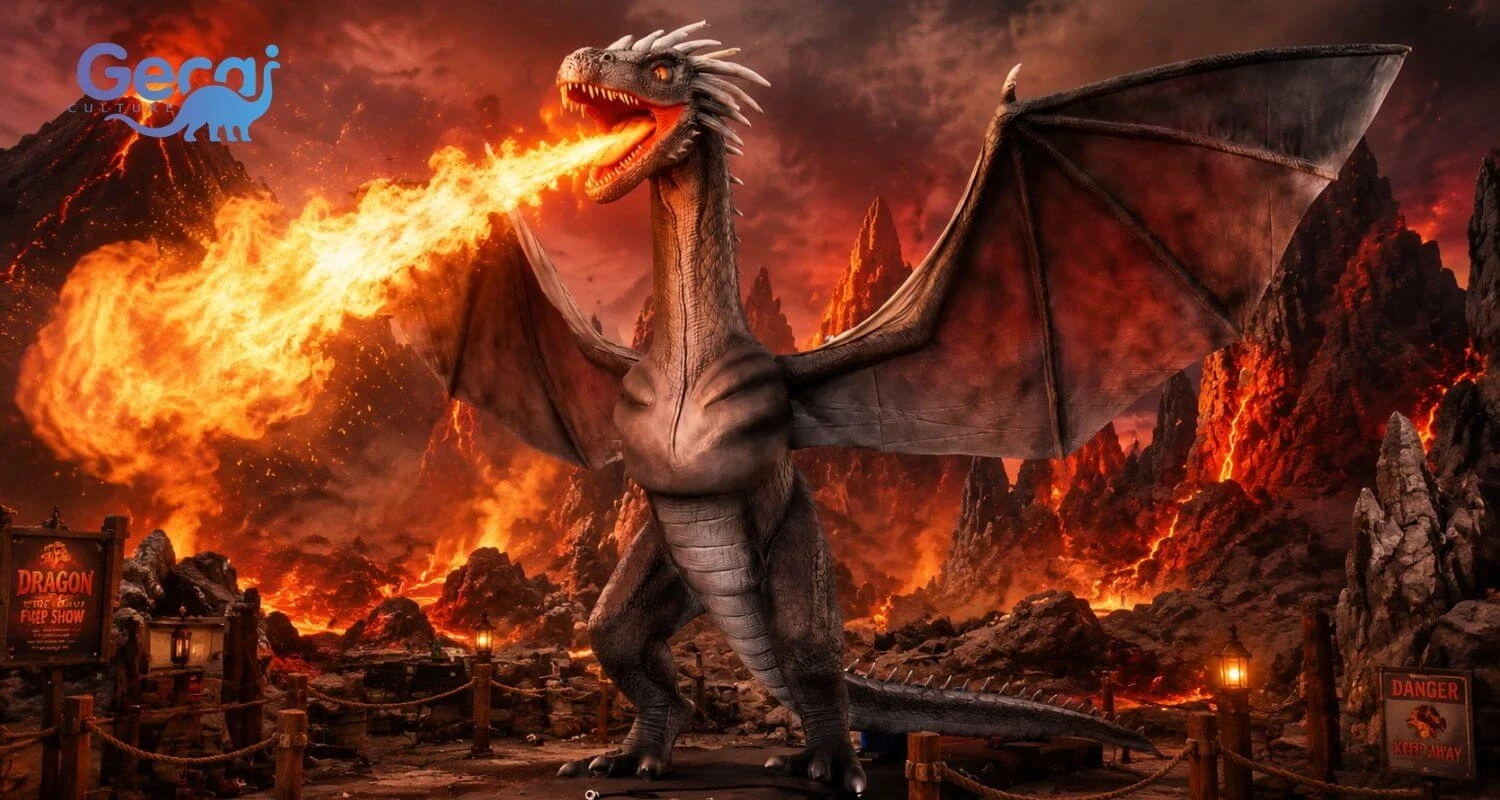
Few images are more closely associated with Western dragons than breathing fire.
For theme parks that want the visual drama without relying on actual flames, an animatronic dragon can simulate a fire-breathing sequence using smoke or fog, colored lighting, sound effects, and synchronized mechanical movements.
For example, the dragon can slowly turn toward visitors, raise its head, open its mouth, roar, and release illuminated smoke. Coordinating these effects creates a much stronger illusion than using smoke alone.
The dragon can be positioned on rocky terrain, beside castle ruins, or inside a fantasy cave to reinforce the scene.
For any installation involving real flame or other pyrotechnic effects, professional safety systems and compliance with applicable local regulations would be essential. For many attractions, simulated effects offer a simpler alternative.
4. Dragon Castle Attraction
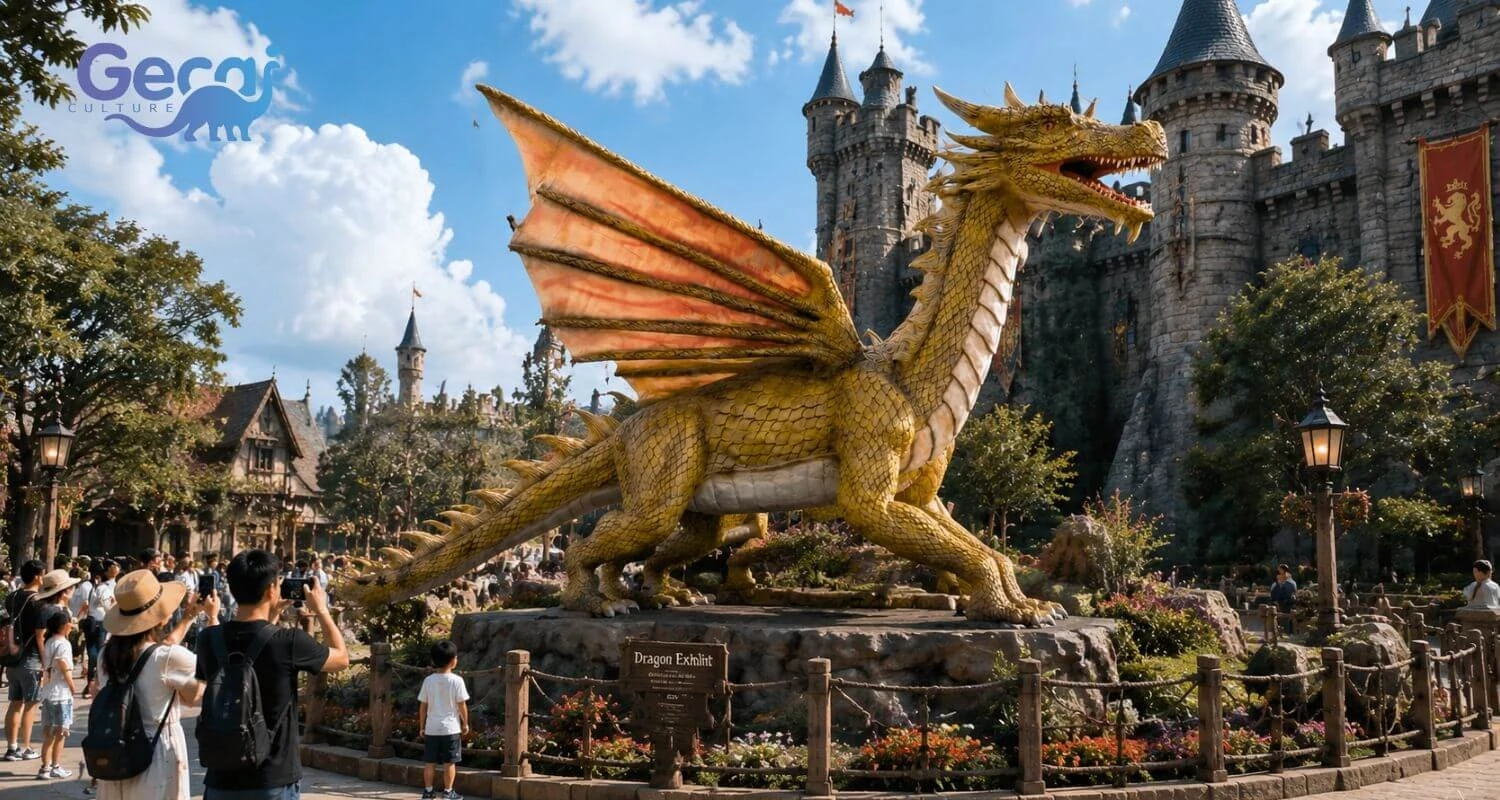
A castle and a dragon are natural partners in fantasy storytelling.
Instead of placing the dragon at ground level, imagine a giant creature perched on a castle wall or tower, appearing to guard the structure below.
Depending on the design, the animatronic dragon could feature:
Head and neck movement
Mouth opening and closing
Wing movement
Tail movement
Eye movement or blinking
Roaring sounds
Smoke or fog effects
Visitors approaching the castle would see the dragon from a distance, making it an effective visual centerpiece for the entire themed area.
The attraction could be expanded with knight statues, treasure, medieval banners, artificial rocks, themed lighting, and other scenery.
For parks developing a large fantasy zone, the castle and dragon can become the central landmark around which smaller attractions are arranged.
5. Interactive Dragon Encounter
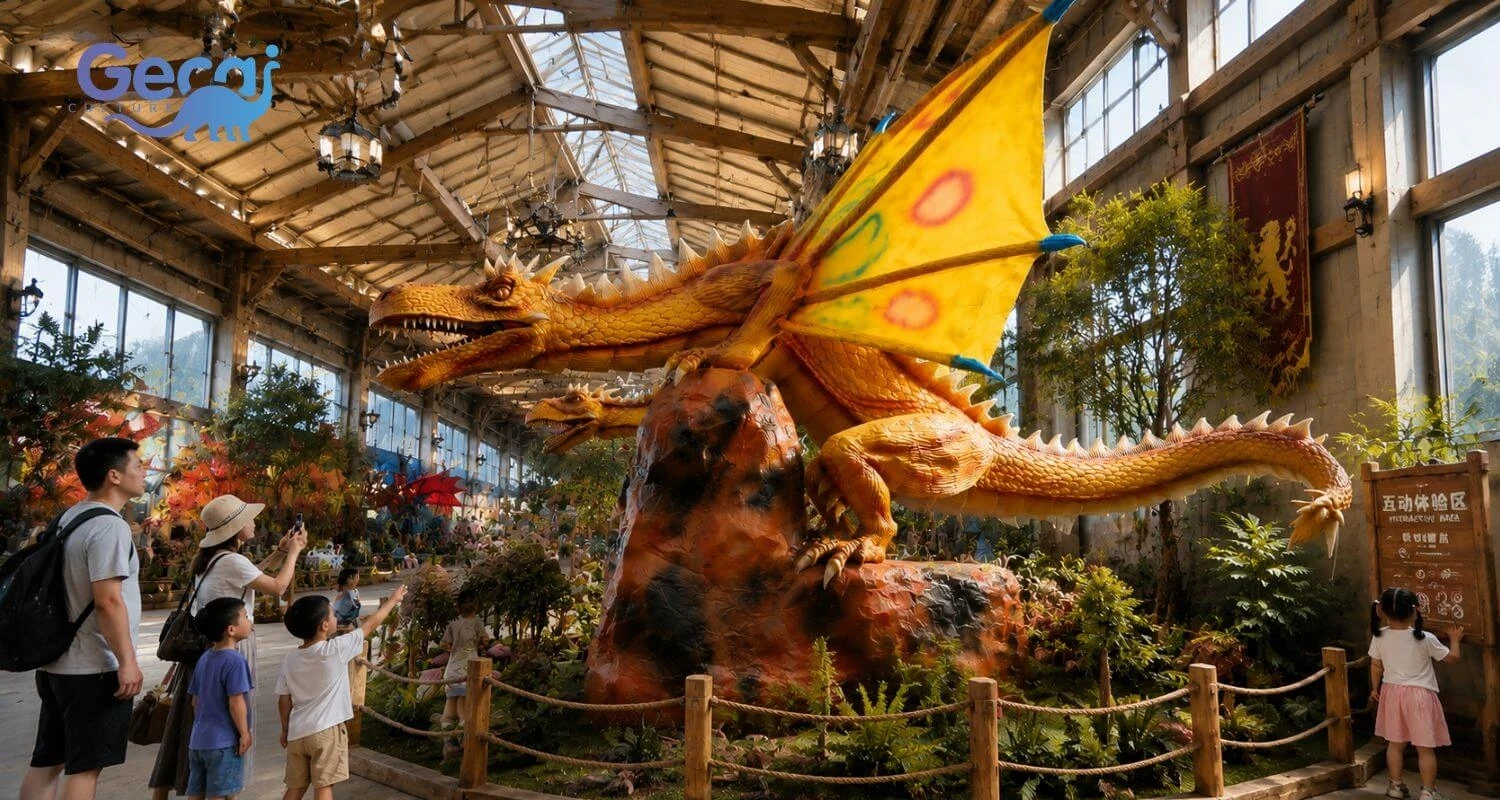
Interaction changes visitors from spectators into participants.
An interactive animatronic dragon can use sensors or programmed control systems to trigger actions when visitors enter a designated area.
Imagine children approaching a seemingly quiet dragon. Once they reach a certain point, the dragon turns its head toward them, opens its mouth and lets out a roar. Its wings may move while smoke emerges from its mouth.
The attraction could even be given a simple challenge:
"Can You Wake the Dragon?"
Different actions could be programmed depending on the project requirements, including head turning, neck movement, blinking, mouth movement, wing movement, roaring, and smoke effects.
This concept is particularly suitable for family attractions because the dragon becomes something visitors can actively experience rather than simply photograph.
6. Animatronic Dragon Photo Spot
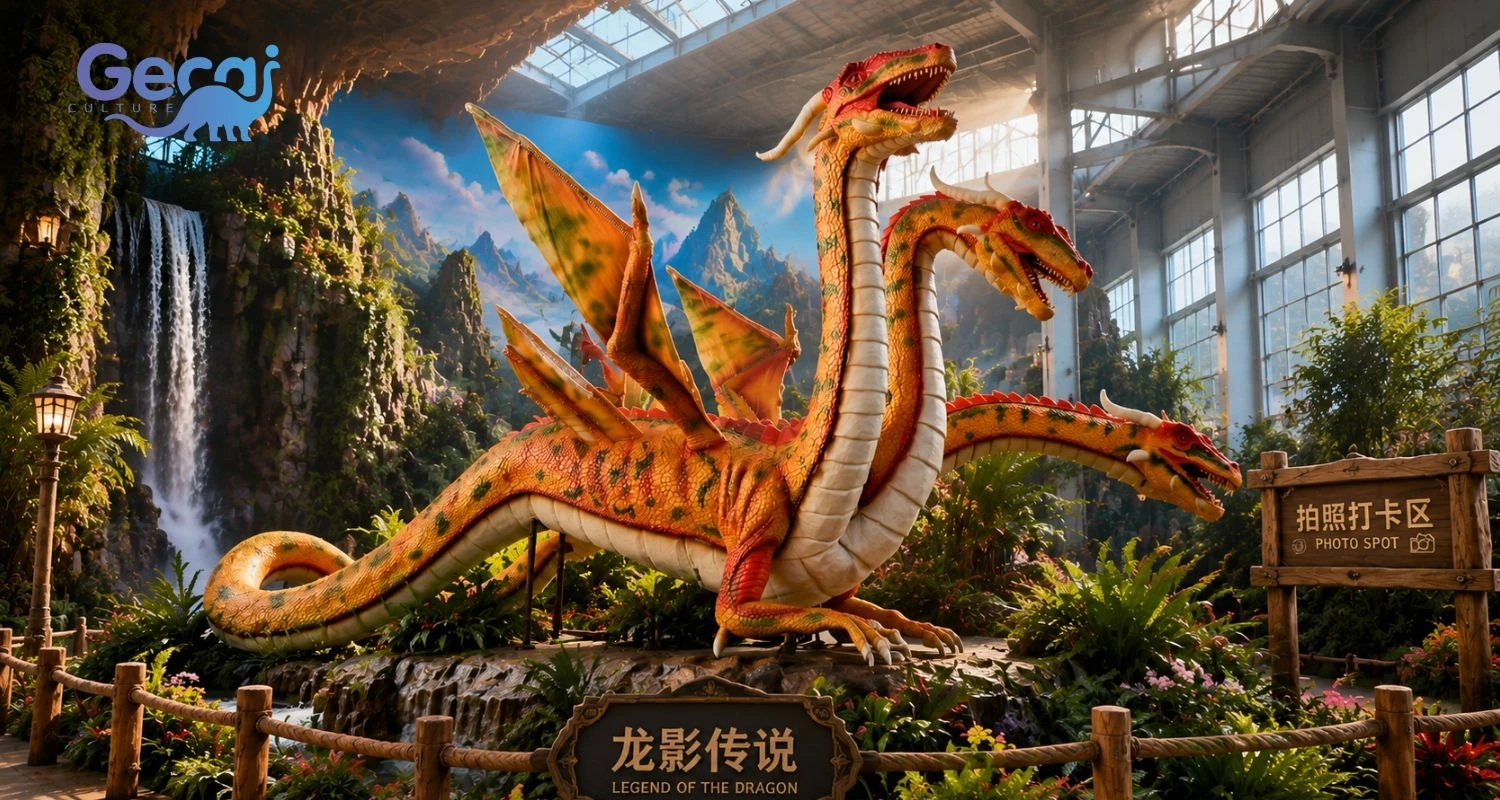
Not every attraction needs to occupy a huge area.
A well-designed animatronic dragon photo spot can become a compact attraction with strong visitor appeal.
Possible concepts include a dragon emerging from a rocky cave, a dragon beside a fantasy throne, a creature guarding treasure, or a full-body dragon surrounded by themed plants and rocks.
Small movements can make the photo experience more memorable. For example, when visitors reach the photo position, the dragon could slowly turn its head toward them or open its mouth.
The scenery should also be designed with photography in mind. A clear viewing angle, suitable lighting, recognizable background, and enough space for groups can make the installation much more useful.
For parks where visitors frequently share their experiences on Instagram, TikTok, or other social platforms, a distinctive dragon photo spot can also generate additional organic exposure.
7. Dragon-Themed Adventure Trail
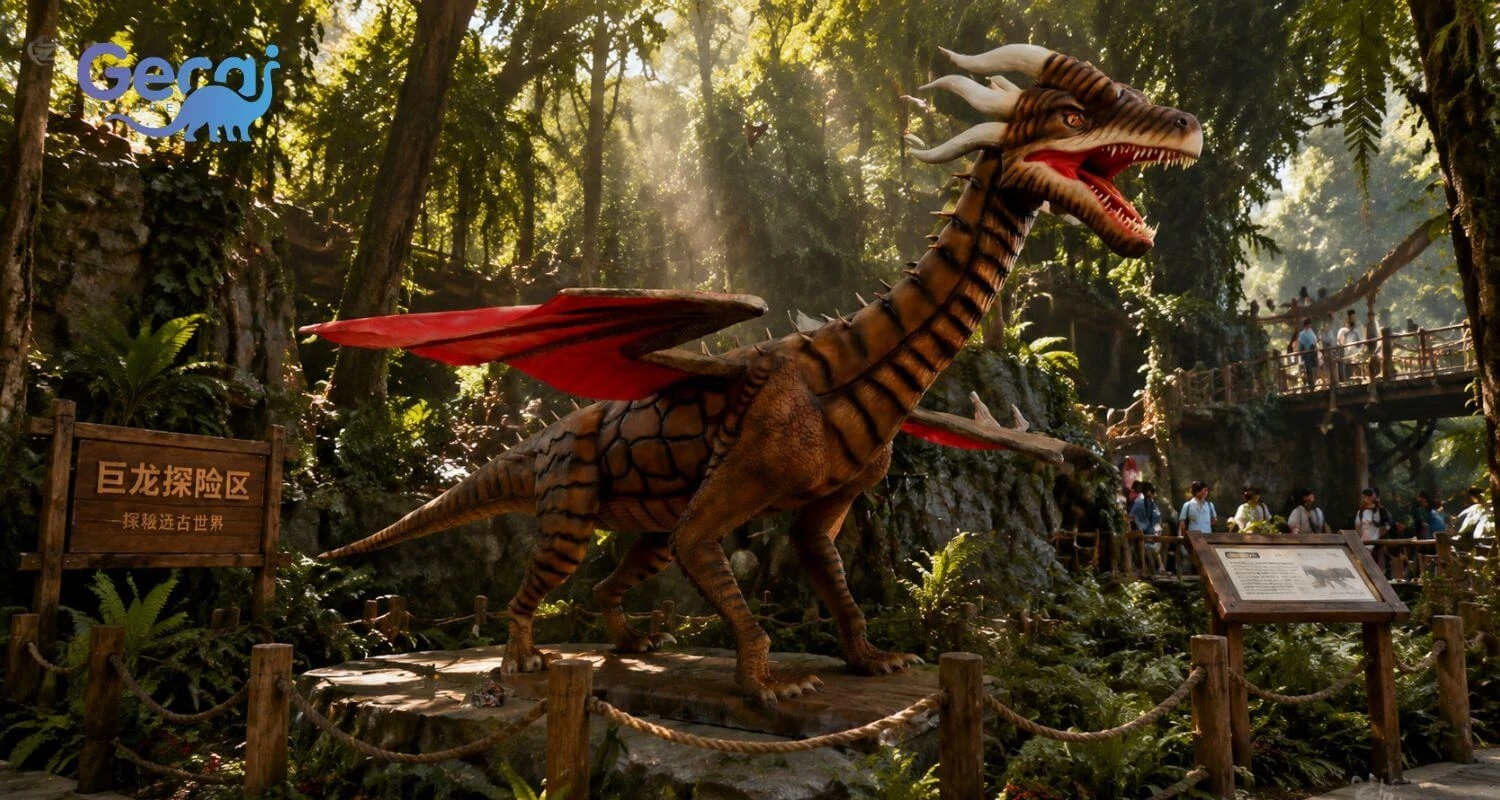
Instead of concentrating everything in one location, parks can spread the experience across an entire dragon-themed adventure trail.
Visitors might begin by discovering giant footprints before encountering different dragons hidden among trees, rocks, caves, and ruins.
A possible route could be:
Dragon Footprints → Hidden Dragon → Forest Dragon → Dragon Cave → Giant Dragon → Final Photo Spot
Different animatronic dragons can have different appearances and behaviors. One might be sleeping beside a trail, another might move its head from behind artificial rocks, while the final dragon could be much larger and provide the climax of the journey.
This concept works especially well when a park wants to use multiple models while creating a connected story rather than displaying them as unrelated exhibits.
It can also encourage visitors to explore a larger area of the park.
8. Dragon Ride Attraction
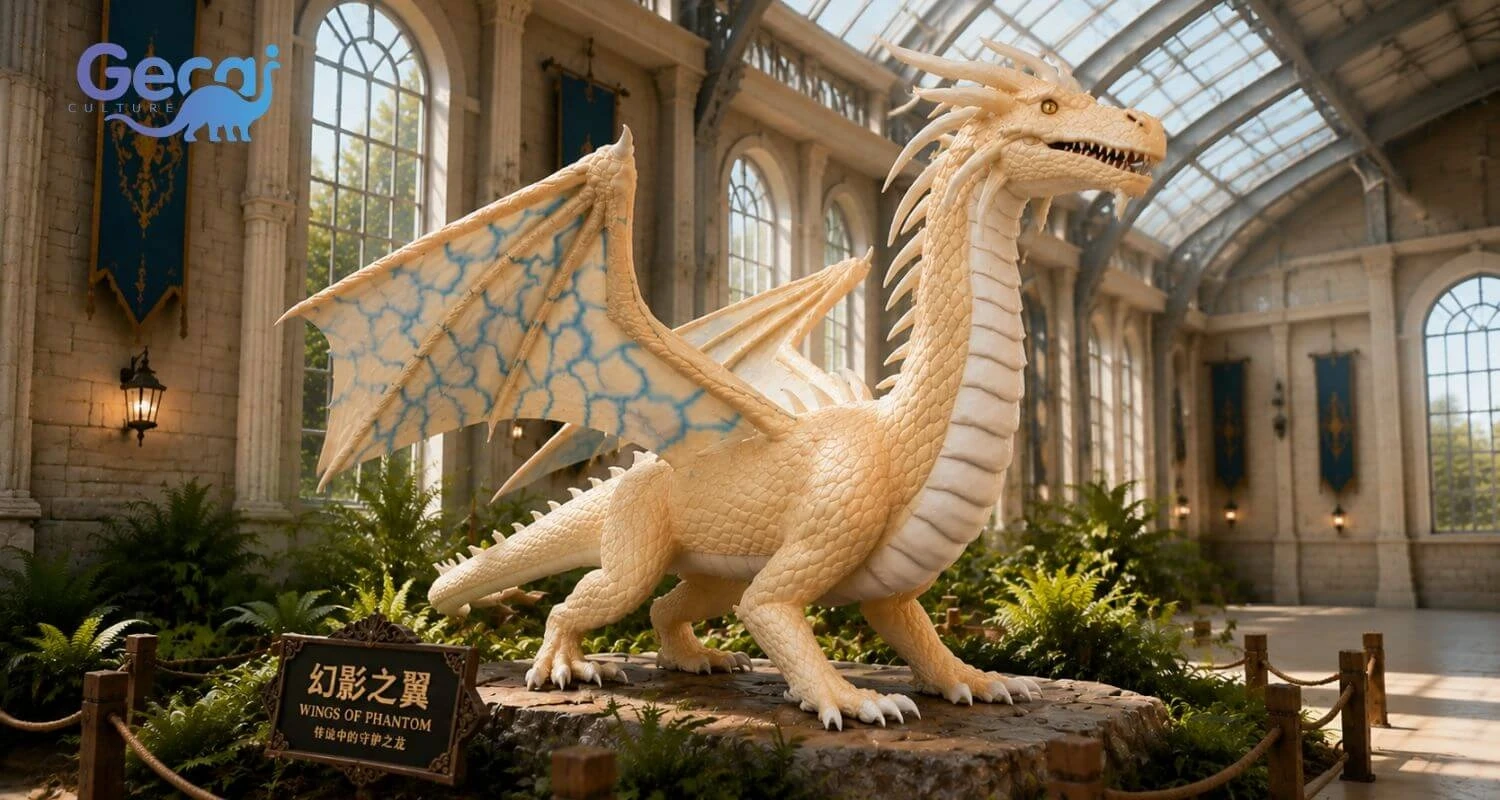
Animatronic elements can also be combined with rides and children's entertainment areas.
A dragon-themed ride attraction could include dragon-shaped ride vehicles, walking dragon rides, electric rides, or a conventional family ride surrounded by animatronic dragon scenery.
For example, visitors could travel through a "Dragon Valley" while encountering moving dragons along the route. Dragons beside the track could turn their heads, roar, or react as vehicles pass.
Another option is to create an entire Dragon Village around the ride, using fantasy houses, dragon models, artificial rocks, themed signs, and smaller interactive attractions.
This approach is particularly suitable for family amusement parks and children's areas because it combines visual storytelling with an activity visitors can participate in.
9. Flying Dragon Attraction
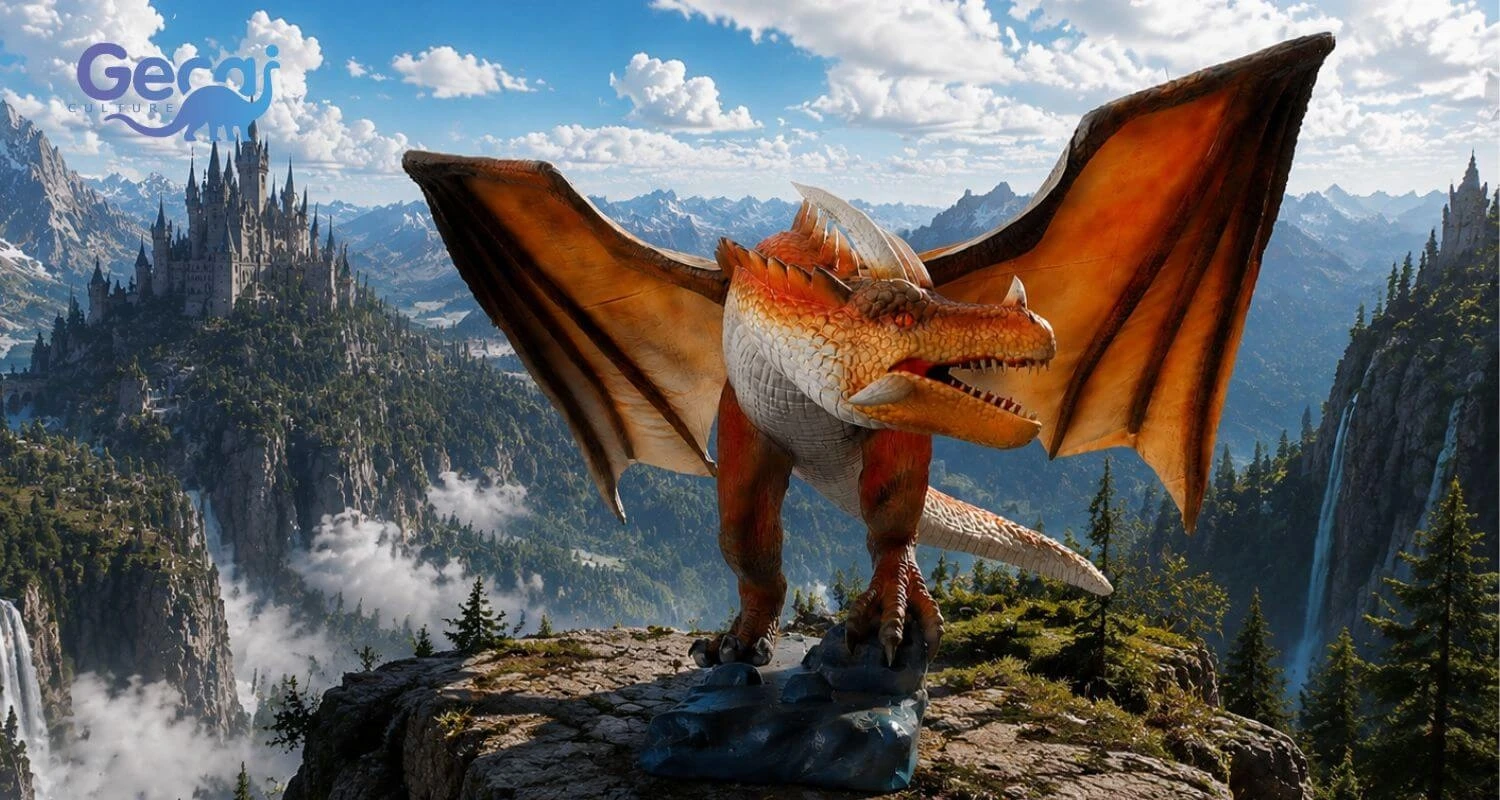
Dragons do not always have to stand on the ground.
Installing a flying animatronic dragon on an elevated structure can produce a very different visual effect.
The dragon could appear on top of a cliff, castle, mountain, gate, or specially engineered support structure. With its wings extended, it can create the impression that it has just landed or is preparing to take flight.
Mechanical movements such as wing flapping, head turning, mouth opening, and neck movement can strengthen the effect.
Positioning is particularly important here. The dragon should be visible from key visitor routes while the supporting structure is incorporated naturally into the surrounding scenery.
A flying dragon positioned high above a fantasy area can also function as a landmark, helping visitors identify the themed zone from across the park.
10. Dragon Night Show
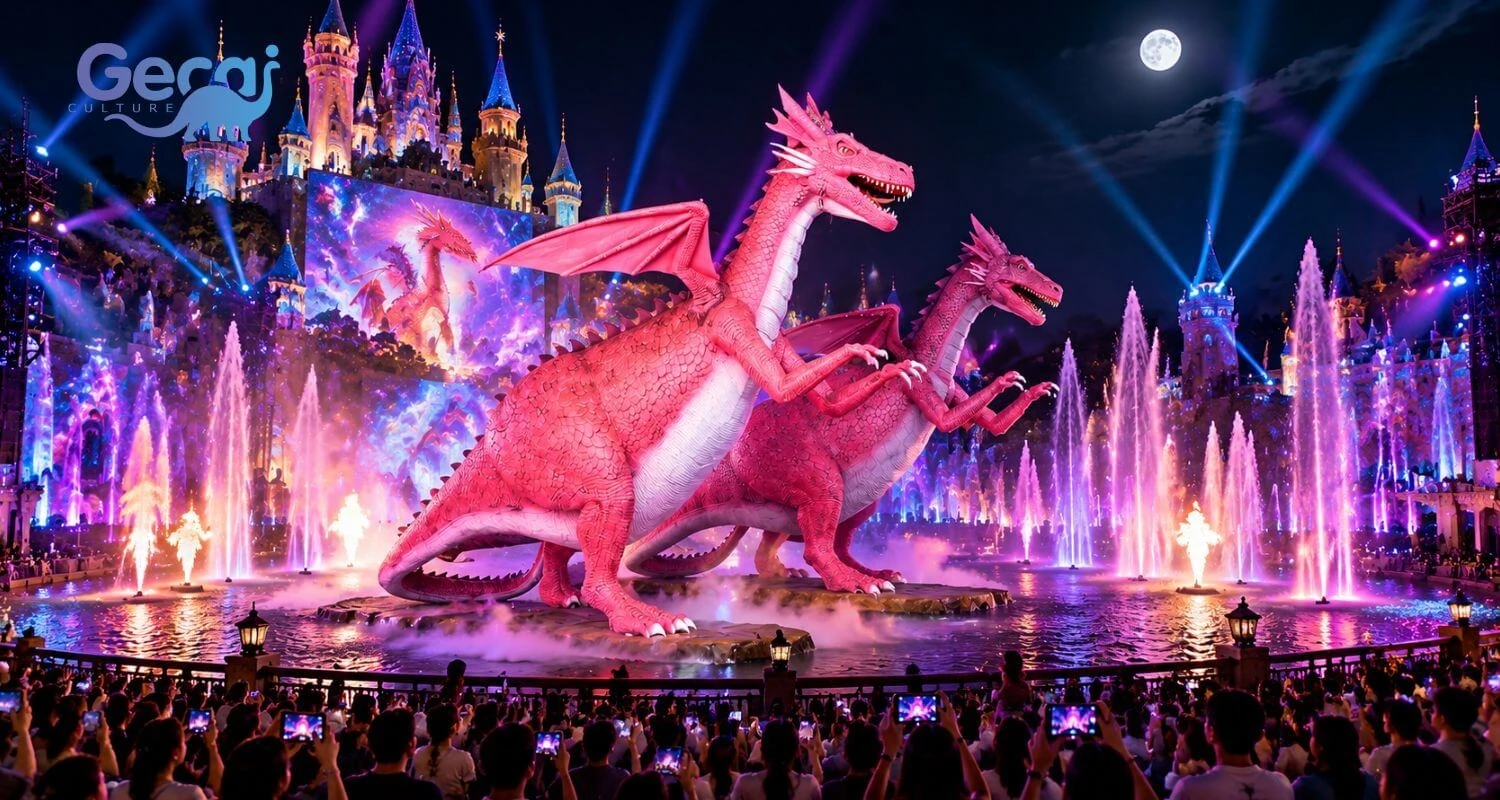
During the day, an animatronic dragon can function as a themed attraction. At night, the same dragon can become the centerpiece of a completely different experience.
A Dragon Night Show can combine animatronics with lighting, music, fog, water effects, or projection.
For example:
Lights fade → music begins → dragon's eyes illuminate → head slowly rises → wings move → dragon roars → smoke appears → surrounding lights and water effects activate
The movements do not have to be fast. Slow, synchronized actions often work particularly well for large animatronics because they emphasize the scale of the creature.
A night show also allows a park to use the same installation in different ways throughout the operating day, extending the attraction's value beyond a single daytime experience.
How to Choose the Right Animatronic Dragon for Your Theme Park
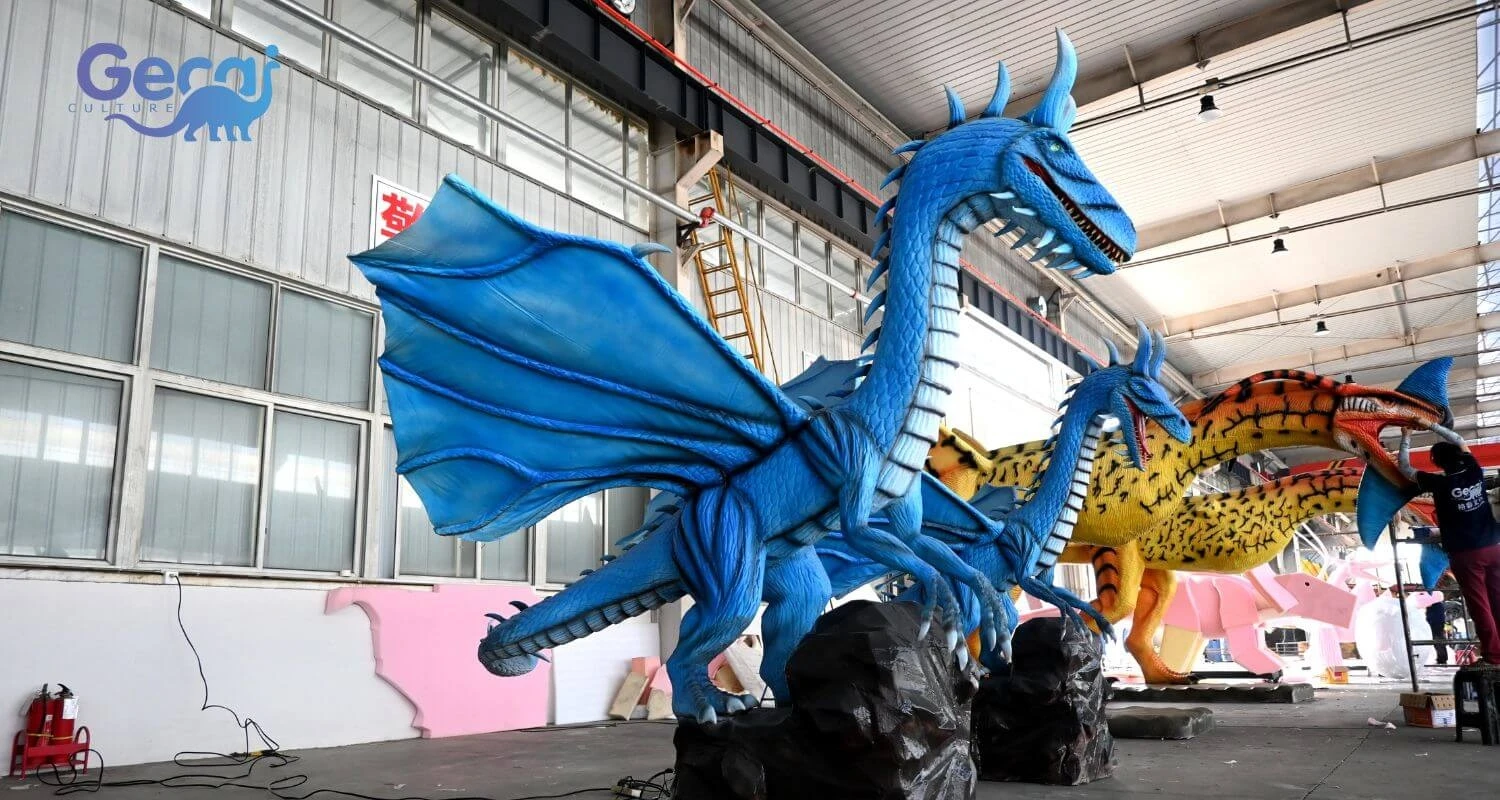
The best dragon design depends on more than appearance. Before production begins, park operators should consider the installation environment, available space, expected viewing distance, desired visitor interaction, and overall theme.
For example, a dragon mounted high on a castle may require large, easily visible movements, while a dragon positioned close to visitors may benefit more from detailed facial and neck movements.
Key customization options can include size, color, body shape, wing design, movements, sound, smoke, lighting, control methods, and sensor interaction.
Indoor and outdoor environments also have different requirements. The manufacturer should understand where and how the model will be installed before determining the final mechanical structure, materials, and control configuration.
Turn Your Dragon Concept into a Custom Attraction
There is no single formula for creating a dragon attraction.
One park may need a giant dragon guarding its entrance. Another may want visitors to discover a creature deep inside a cave. A family park might prefer an interactive dragon encounter, while a larger destination park could build an entire dragon-themed area around multiple animatronics.
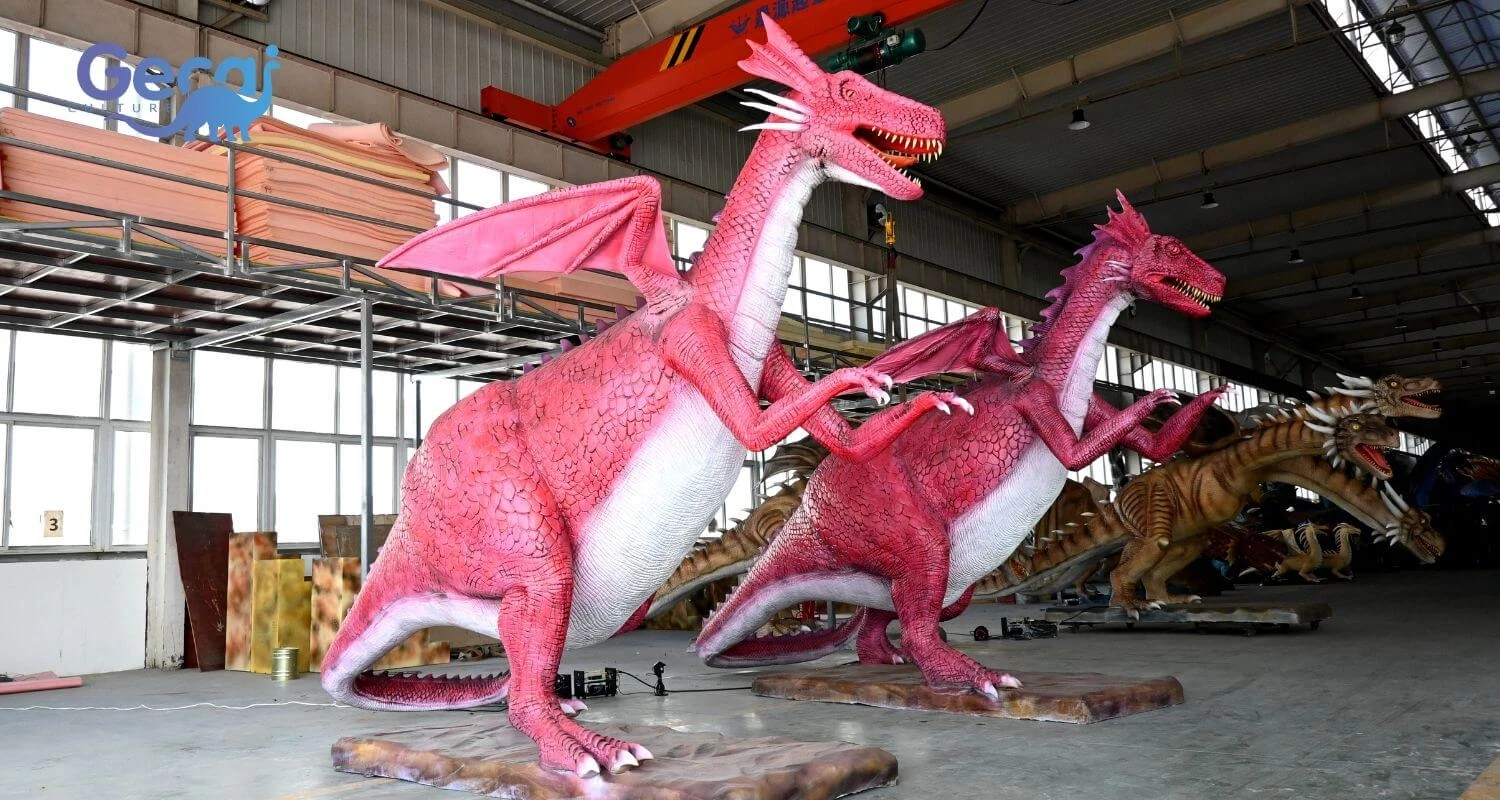
At Gecai Culture, animatronic dragons can be customized according to different project concepts, including their appearance, size, mechanical movements, special effects, control system, and installation requirements. Western dragons, multi-headed fantasy dragons, flying dragons, and other custom designs can be developed according to the attraction theme.
If you are planning a dragon-themed attraction, providing information such as your available space, preferred dragon style, required size, movements, special effects, and installation environment can help us develop a solution that better fits the project.
Bring your dragon attraction concept to life with a custom animatronic solution designed for your theme park.
Tags: