About us
Gecai Culture stands at the forefront of bringing the past to life through our state-of-the-art Animatronic Dinosaurs, enchanting Animatronic Creatures, vibrant Chinese Festival Lanterns, and tailored Custom Products. As a professional manufacturer nestled in the heart of China, we harbor a deep-seated passion for showcasing our lifelike dinos and animals in museums, exhibitions, zoos, parks, and beyond, aiming to kindle a flame of curiosity and learning in people of all ages.
Get a free quote
Company News
How Many Animatronic Dinosaurs Does a Park or Exhibition Need?
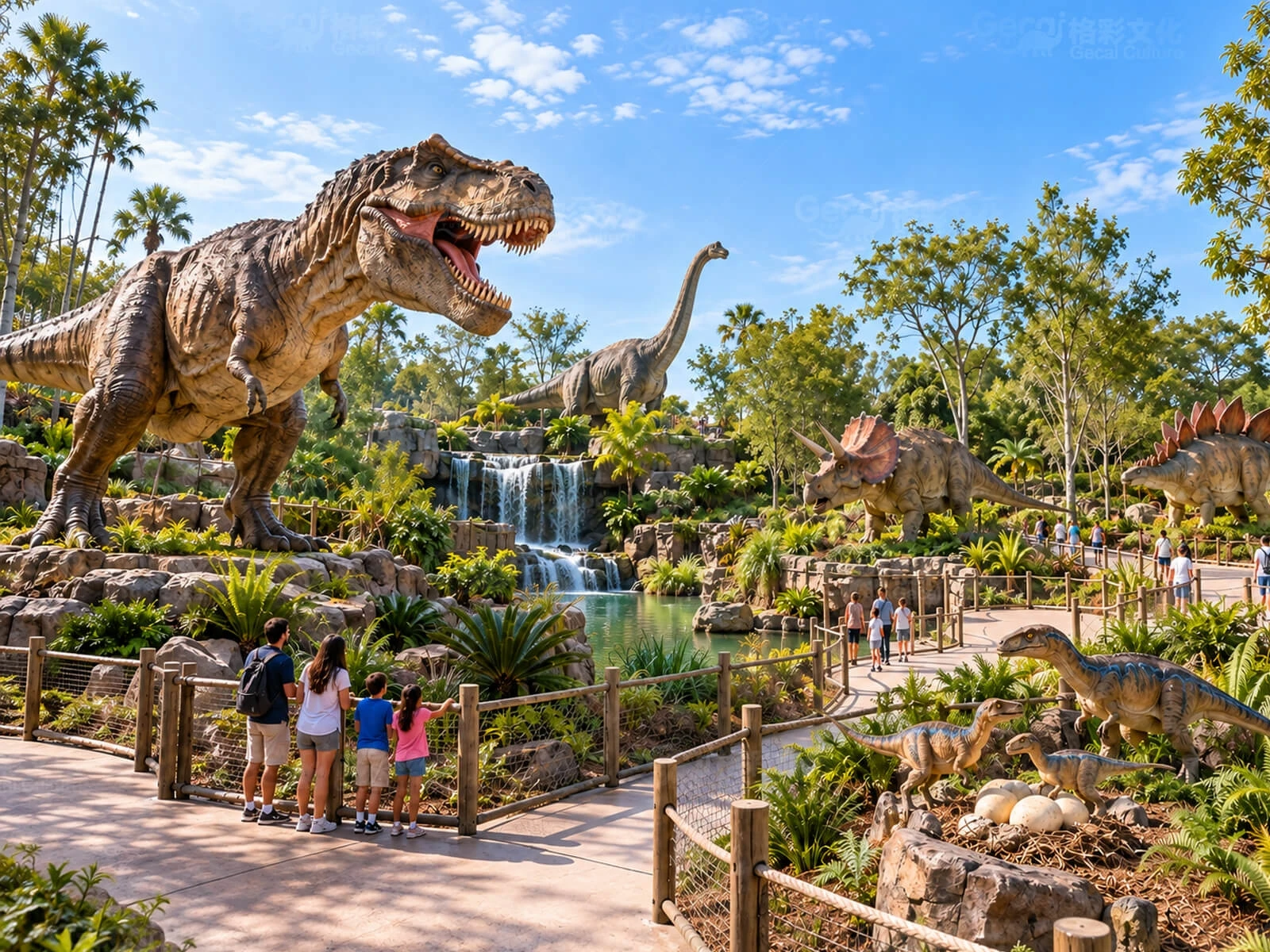
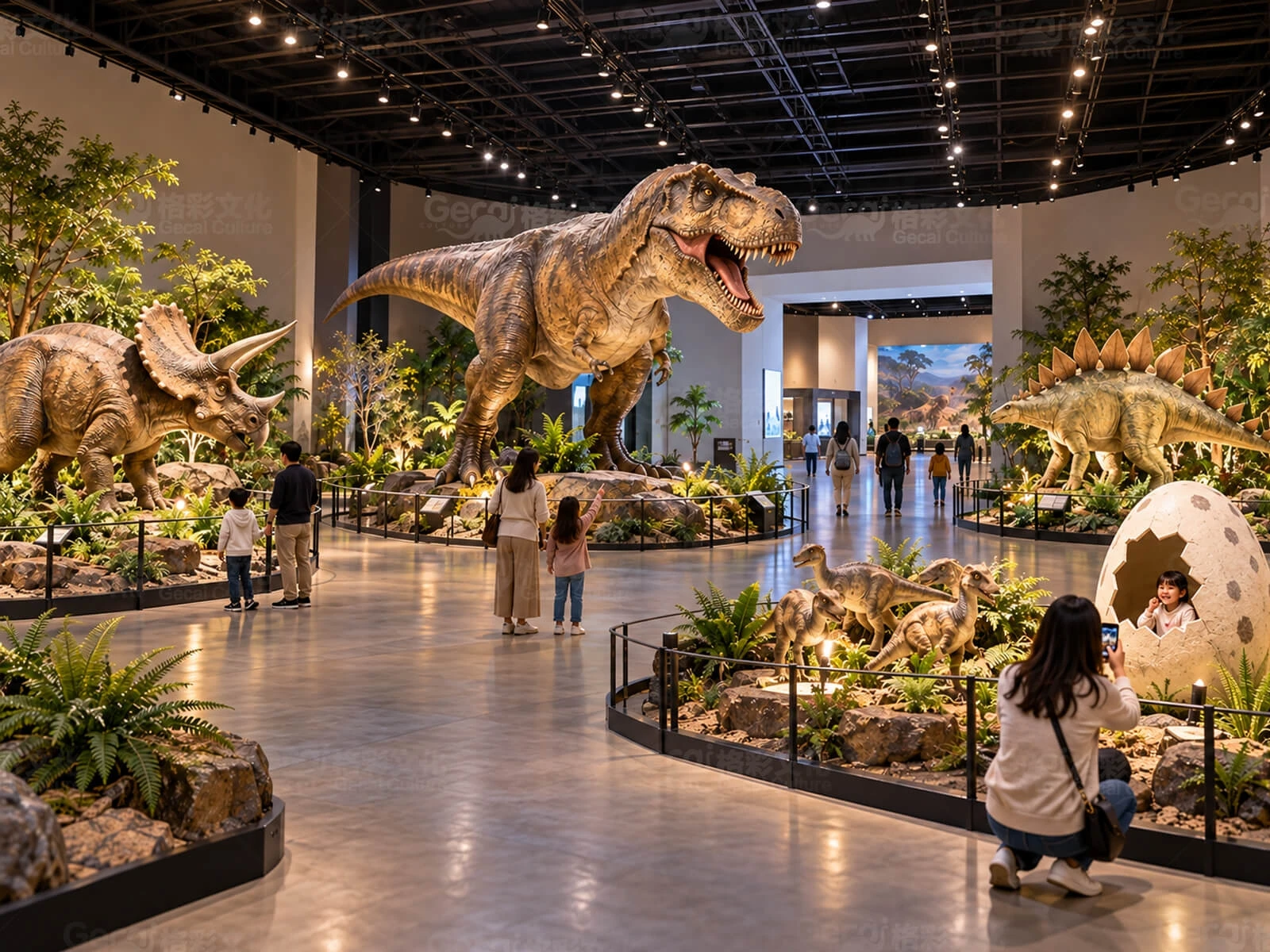
There is no fixed number of animatronic dinosaurs suitable for every park or exhibition. A small indoor display may need only a few well-positioned models, while a large outdoor dinosaur park may use dozens across several themed zones.
The right quantity depends on the venue size, visitor route, viewing distance, dinosaur sizes, interactive products, budget and operating plan. Buyers should plan the attraction by area and visitor experience instead of simply purchasing as many dinosaurs as possible.
What Determines the Number of Animatronic Dinosaurs?
The required quantity should be calculated after the venue layout and project objectives are clear. Five factors have the greatest influence.
Venue Size and Visitor Route
The total venue area is only a starting point. Buyers also need to consider how much space can actually be used for exhibits.
Entrances, emergency routes, service areas, landscaping and visitor facilities may reduce the available display area. Each animatronic dinosaur also requires sufficient space for movement, barriers and maintenance access.
A long visitor route may need several separate scenes, while a compact indoor exhibition may work better with fewer models placed at key viewing points.
Viewing Distance and Display Density
Large dinosaurs are suitable for entrances, open lawns and central landmarks where visitors can see them from a distance. Small and medium models work better along paths and in close-viewing areas.
Models should not be placed so close together that their silhouettes overlap or visitors cannot distinguish one scene from another. Leaving space between displays can make each dinosaur appear more important.
Project Type
Different attractions require different product quantities and layouts.
| Venue Type | Planning Approach |
|---|---|
| Small indoor exhibition | A few key dinosaurs and a compact photo area |
| Shopping mall display | Medium or small models with interactive products |
| Botanical garden | Dinosaurs distributed along the natural visitor route |
| Outdoor dinosaur park | Multiple zones with landmark and supporting models |
| Traveling exhibition | Modular products that are easier to pack and reinstall |
These are general planning approaches rather than fixed quantity standards.
Product Sizes and Poses
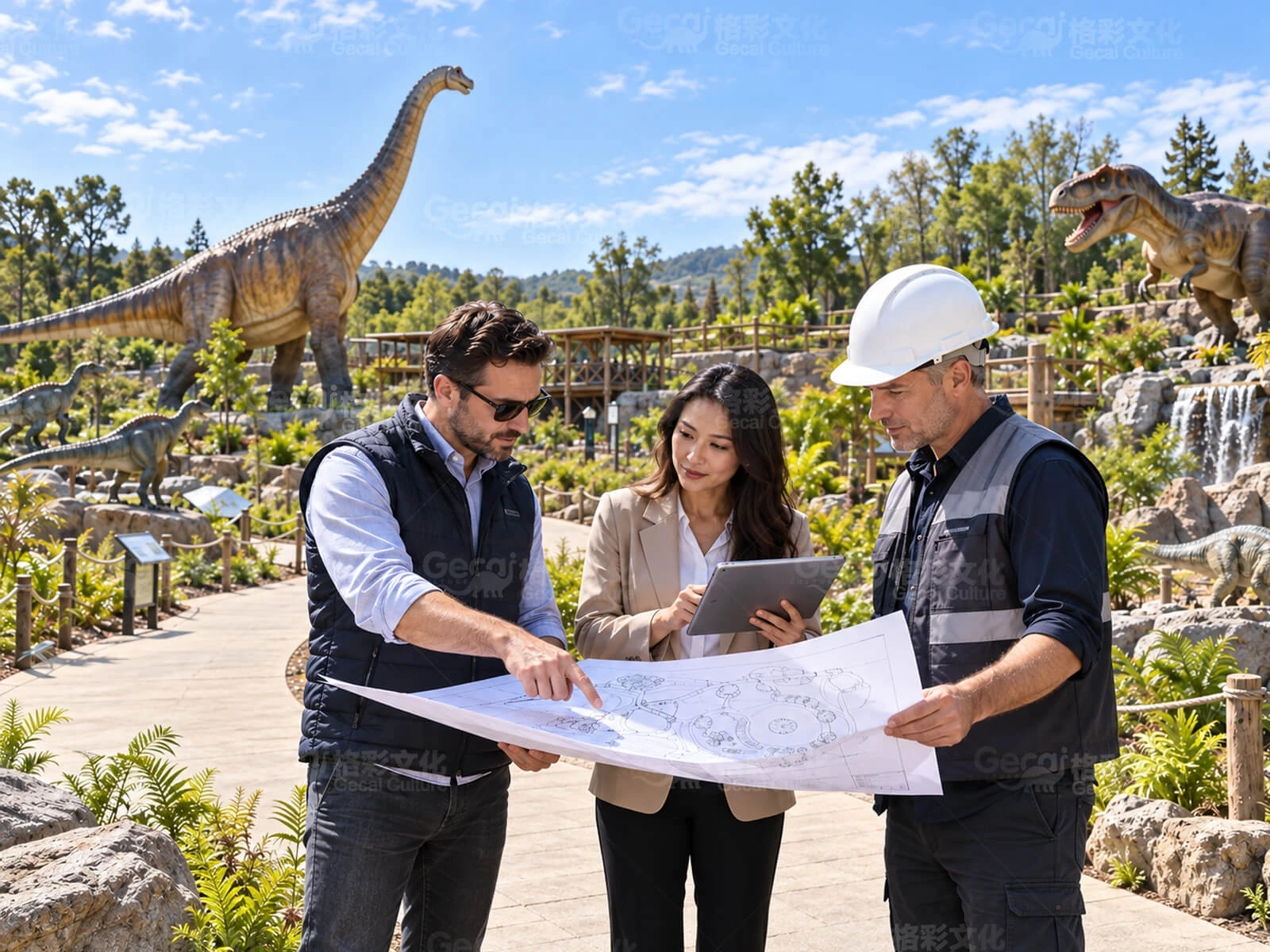
One giant dinosaur can occupy as much visual and installation space as several smaller models. Posture also affects the required area.
A long-necked dinosaur needs vertical clearance, while a dinosaur with a raised head or extended tail may require more horizontal space. Moving models also need additional clearance around the head, neck, limbs and tail.
For more details, read our guide on choosing the right animatronic dinosaur size.
Budget and Operating Requirements
The project budget must cover more than the model quantity. Buyers should also consider customization, packing, shipping, foundations, electrical work, installation and maintenance.
A smaller collection of well-planned dinosaurs may be more effective than a crowded display that creates higher installation and operating requirements.
Plan the Attraction by Zones
A practical way to estimate the required quantity is to divide the venue into functional zones first.
| Project Area | Suggested Product Role |
|---|---|
| Entrance | One landmark dinosaur or themed entrance |
| Main visitor route | Individual models or small dinosaur scenes |
| Central open area | A large landmark or dinosaur family |
| Photo zone | Dinosaur egg, incubator or themed prop |
| Interactive zone | Dinosaur rides, puppets or costumes |
| Educational area | Small dinosaurs or fossil replicas |
Start by marking the major viewing points on the layout. Each important point may need one main model, a dinosaur group or a themed scene.
After the major areas are planned, smaller dinosaurs and decorative products can be added to connect the route. This method prevents buyers from ordering models without knowing where they will be installed.
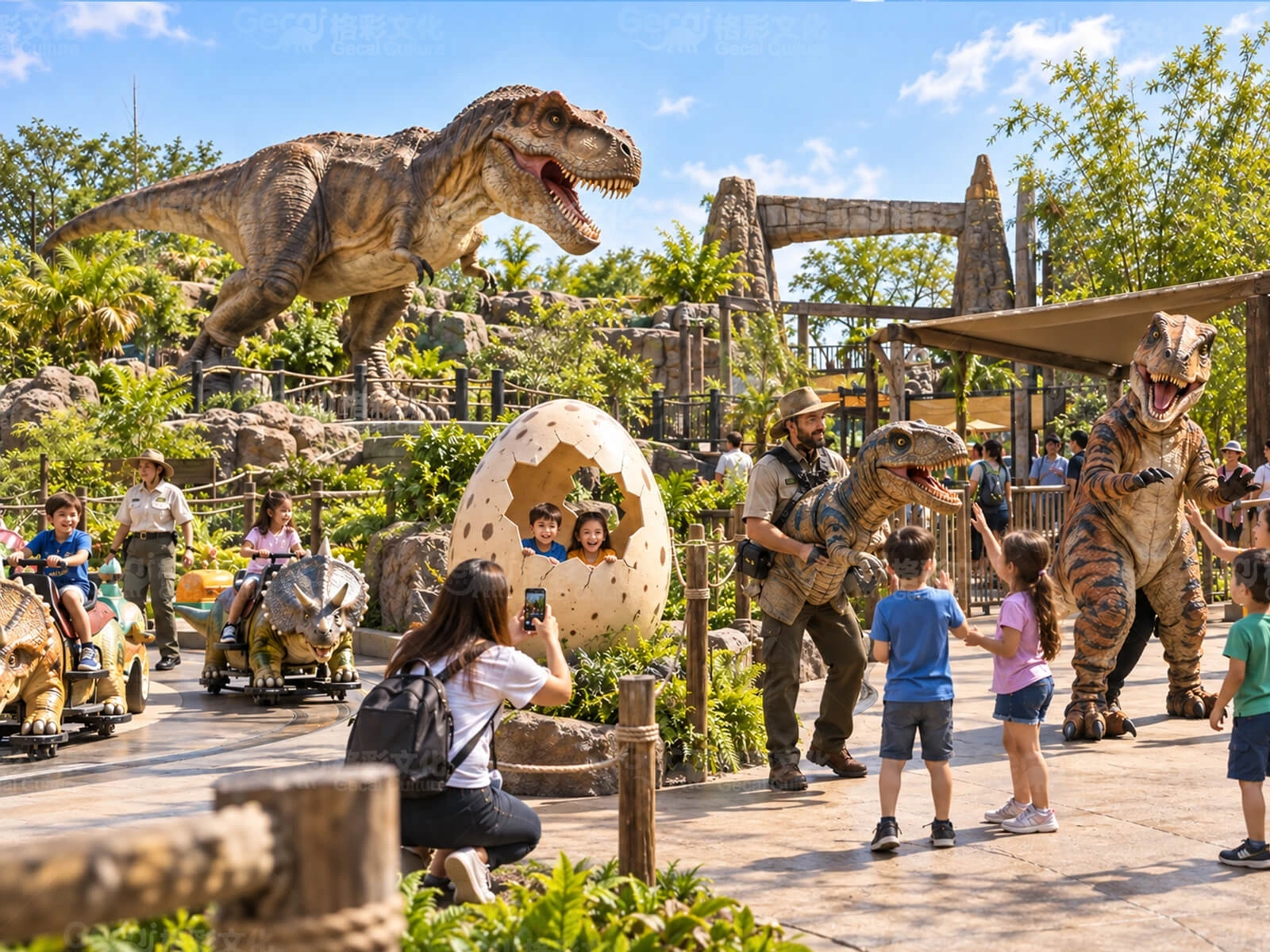
Combine Different Dinosaur Sizes and Scenes
A balanced collection usually creates a better experience than using models of the same size and posture.
A project may include:
One or two large landmark dinosaurs
Medium models along the main visitor route
Small dinosaurs near close-viewing areas
Dinosaur family or egg-nest combinations
Predator and herbivore scenes
Feeding, fighting or resting displays
Different body heights and tail directions
Large models provide visual impact, while medium and small dinosaurs create variety and fill shorter viewing distances.
The species selection should also match the available space. Buyers do not need every well-known dinosaur. A smaller collection with varied shapes and scenes can still create a complete visitor route.
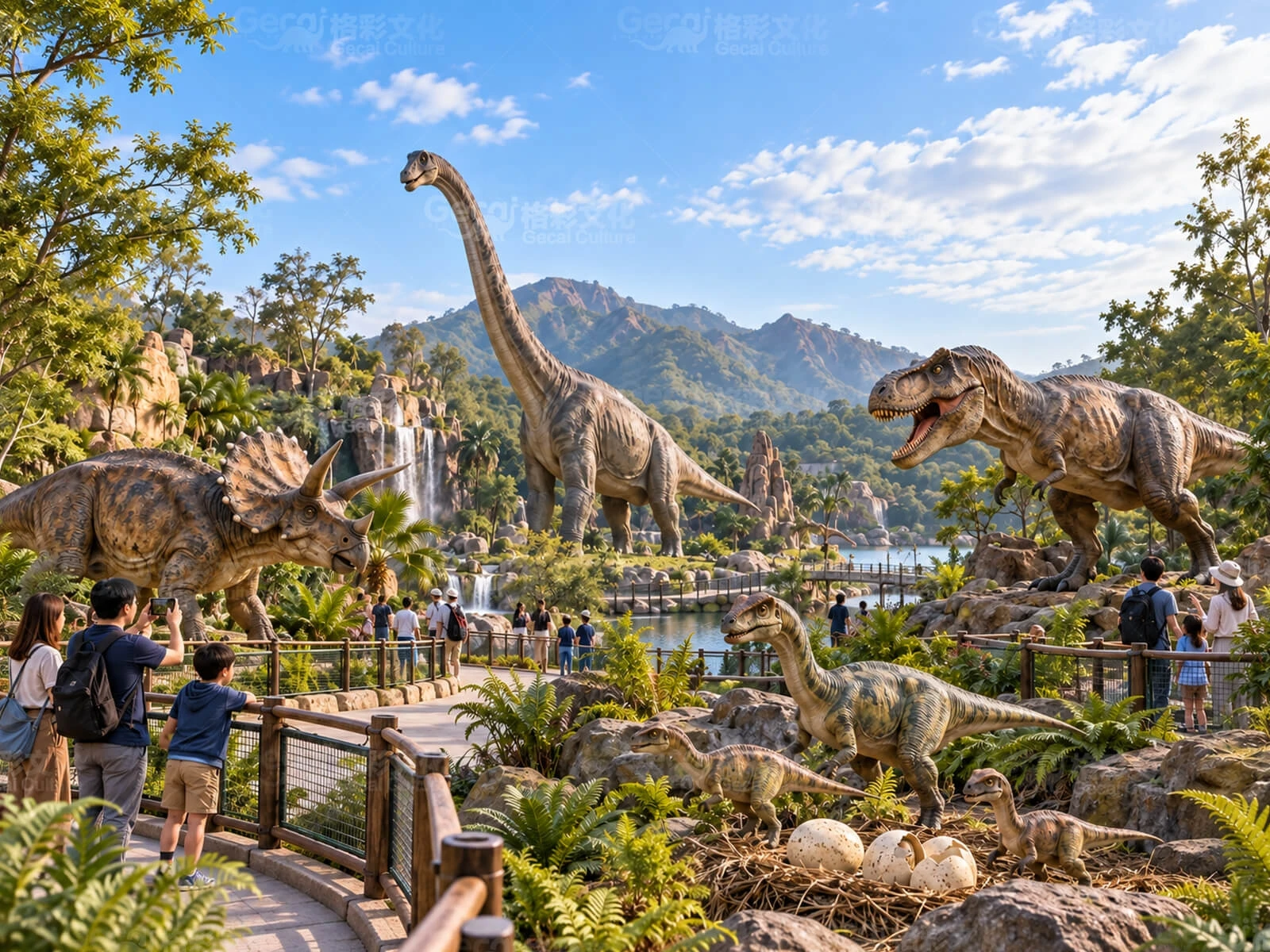
Should Interactive Products Be Counted Separately?
Interactive products should normally be planned separately from the main animatronic dinosaur quantity.
A dinosaur attraction may also include:
Dinosaur rides
Dinosaur costumes
Dinosaur puppets
Dinosaur egg photo props
Incubators
Fossil replicas
Volcano models
Animatronic plants
These products serve different visitor activities. Installed animatronic dinosaurs create the main environment, while rides, costumes and puppets support participation and live entertainment. Photo props provide designated places for visitors to stop without blocking the main route.
The right product mix depends on the visitors’ age, available staff and daily operating plan.
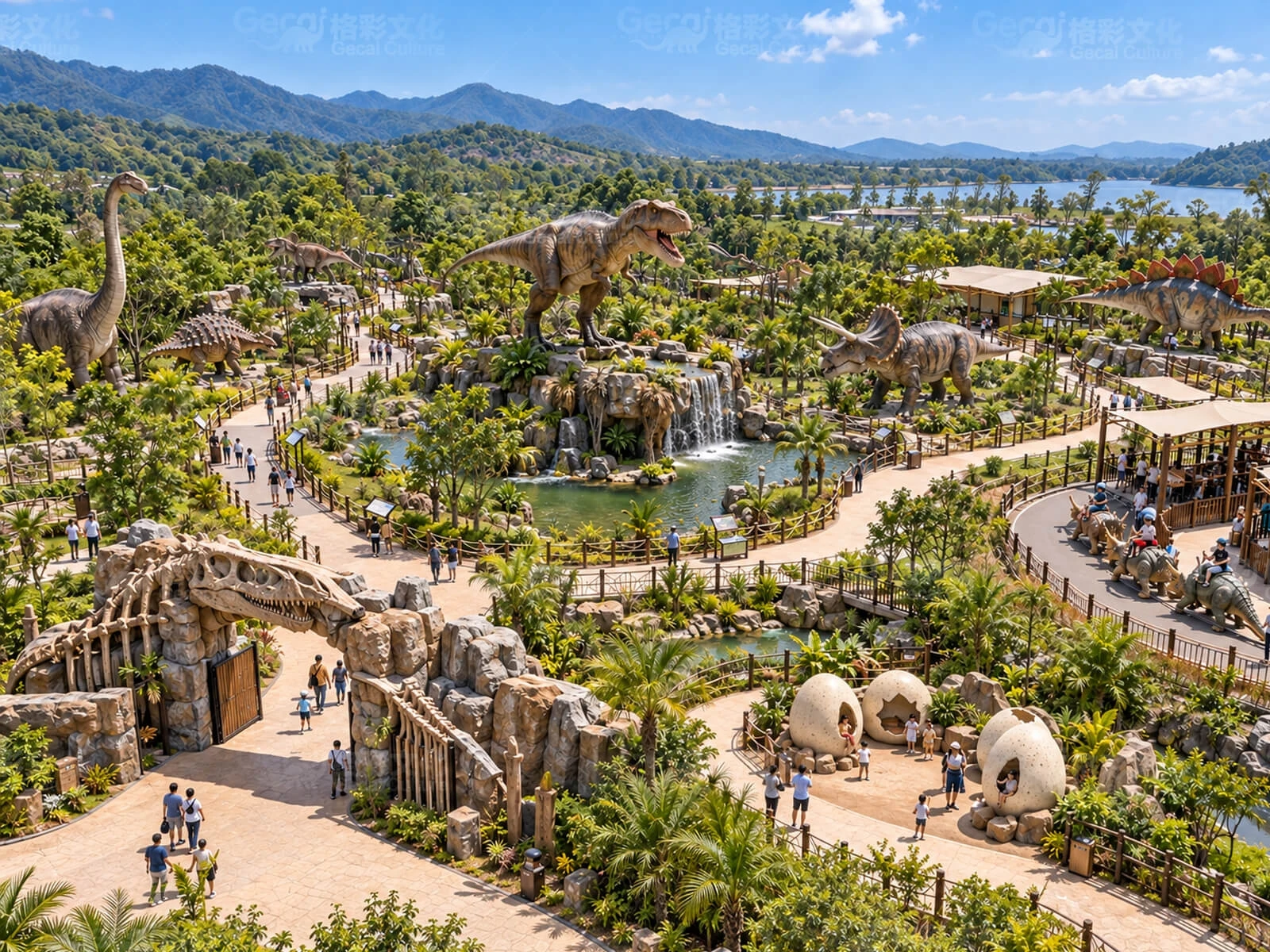
Real Dinosaur Project Examples
Existing projects show that there is no single standard quantity.
| Project | Product Combination |
|---|---|
| Brasília Dinosaur Park | 10+ animatronic dinosaurs, dinosaur puppet and costume products |
| Shenyang Botanical Garden | 15+ dinosaurs, 6 carnivorous plants and 3 dinosaur rides |
| Yuncheng Salt Lake Dinosaur Park | 20+ dinosaurs, skeleton decorations, photo props, plants and rides |
| Pakistan Dinosaur Park | Approximately 10–15 dinosaurs, a volcano, egg photo props and 4 costumes |
These examples are not fixed packages. Each configuration was based on its venue, visitor experience and project requirements.
A park with 10 dinosaurs and several interactive products may offer more visitor activities than a park with 20 models but no photo or performance areas.
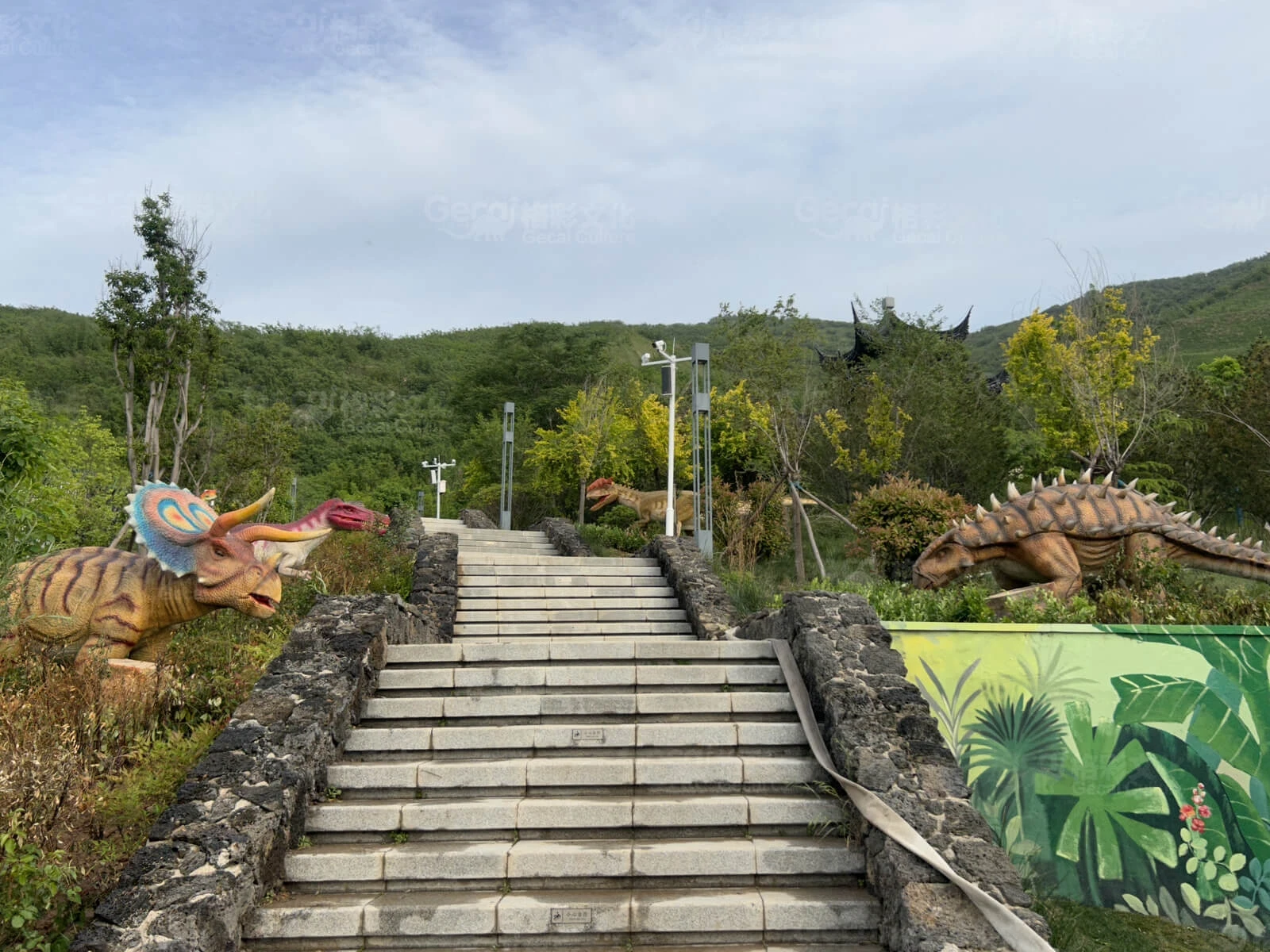
When Is a Smaller Collection Better?
Fewer dinosaurs may be more suitable when:
The venue has limited indoor space
Entrances or transport routes are narrow
Visitors will view the models at close range
The attraction needs to move between venues
The budget is focused on one or two landmark models
Local maintenance resources are limited
Interactive activities are more important than exhibit quantity
A project can also begin with a smaller collection and expand later. The initial layout should reserve suitable space, foundations and power connections for future additions.
For larger outdoor projects, see our guide on how to build an outdoor dinosaur park.
What Information Should Buyers Provide?
To recommend a suitable quantity, the manufacturer needs:
Venue type and location
Site dimensions or layout drawings
Visitor route and main viewing areas
Indoor or outdoor installation
Preferred dinosaur species and sizes
Required movements and functions
Interactive product requirements
Power supply and installation access
Budget range
Expected opening date
Venue photos and drawings are especially useful. They allow the manufacturer to suggest suitable model sizes, positions and product combinations before production begins.
Frequently Asked Questions
Is More Always Better for a Dinosaur Park?
No. Model placement, visual variety and visitor interaction are usually more important than the total quantity.
Can a Dinosaur Park Start with a Small Collection?
Yes. A park can begin with key landmark and route displays, then add new models and interactive products when the layout allows.
Should Every Dinosaur Be Animatronic?
Not necessarily. Animatronic dinosaurs can be combined with fossil replicas, photo props, costumes, puppets, rides and themed scenery.
How Far Apart Should the Dinosaurs Be?
There is no universal distance. Spacing should be determined by model size, movement range, viewing distance, visitor circulation and maintenance access.
Conclusion
The number of animatronic dinosaurs needed for a park or exhibition depends on the venue, visitor route, display zones, model sizes and product mix.
Plan the main viewing points first, choose landmark models, add supporting scenes and then decide which interactive products are required. A well-planned collection is more valuable than a large number of models placed without a clear visitor route.
Send Gecai Culture your venue layout, available dimensions, preferred dinosaur species, interactive product requirements, destination and opening schedule. Our team can recommend a suitable quantity and product combination for your attraction.
Tags: