About us
Gecai Culture stands at the forefront of bringing the past to life through our state-of-the-art Animatronic Dinosaurs, enchanting Animatronic Creatures, vibrant Chinese Festival Lanterns, and tailored Custom Products. As a professional manufacturer nestled in the heart of China, we harbor a deep-seated passion for showcasing our lifelike dinos and animals in museums, exhibitions, zoos, parks, and beyond, aiming to kindle a flame of curiosity and learning in people of all ages.
Get a free quote
Dinosaur Knowledge
What Dinosaur Has 500 Teeth? Nigersaurus Facts
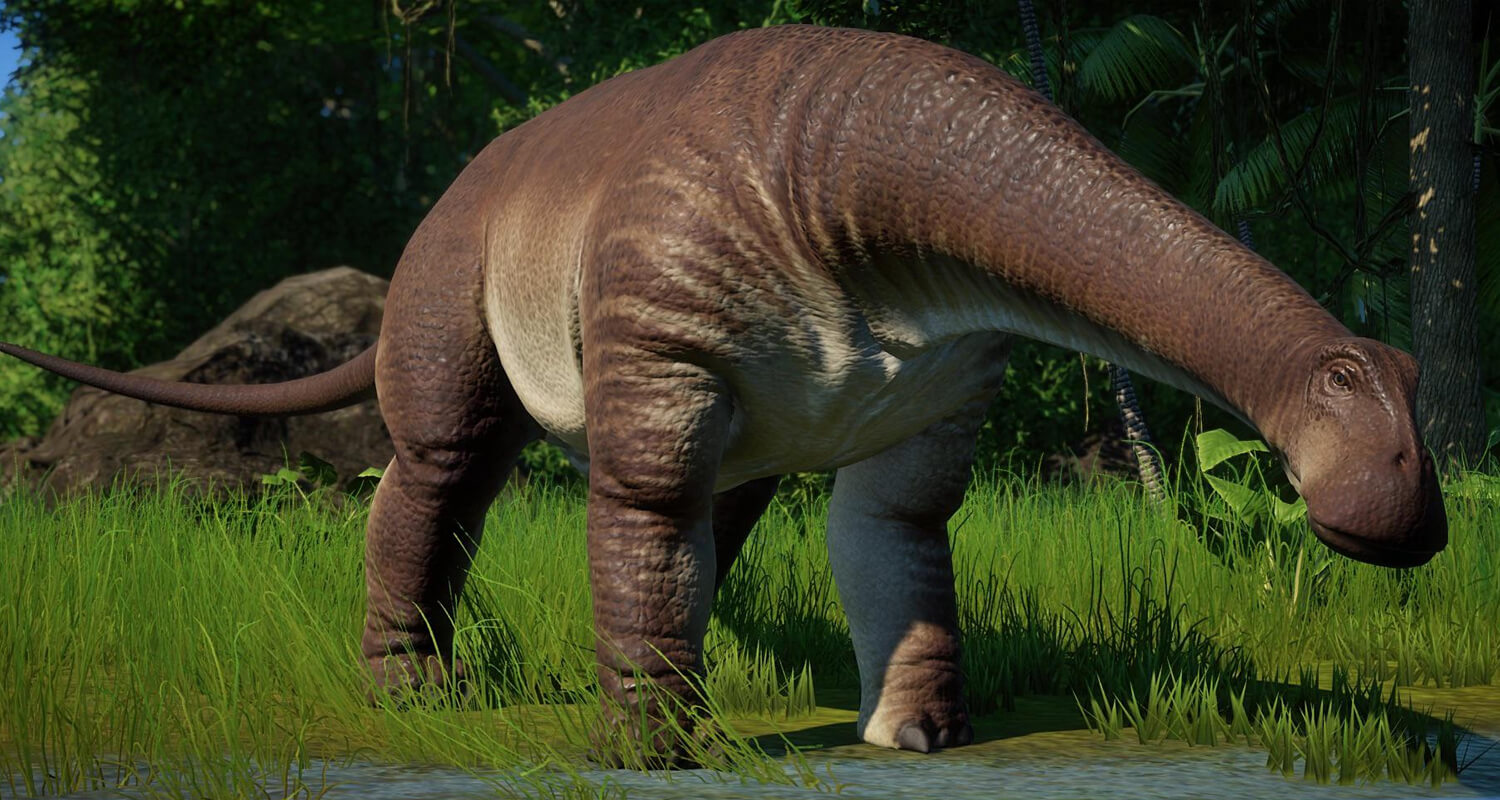
The dinosaur with 500 teeth was Nigersaurus taqueti, a plant-eating sauropod that lived in what is now the Republic of Niger in Africa.
Nigersaurus had more than 500 active and replacement teeth packed into dental batteries inside its wide jaws. Not all 500 teeth were exposed at the same time. Rows of replacement teeth developed behind the teeth being used, allowing worn teeth to be replaced continuously.
Despite its unusual mouth, Nigersaurus was not a dangerous meat-eater. It was a relatively small, short-necked sauropod adapted to feeding on vegetation close to the ground.
Nigersaurus Quick Facts
| Fact | Description |
|---|---|
| Scientific name | Nigersaurus taqueti |
| Name meaning | Niger lizard |
| Dinosaur group | Rebbachisaurid sauropod |
| Diet | Herbivore |
| Length | Approximately 9 meters (30 feet) |
| Time period | Early Cretaceous, about 110 million years ago |
| Fossil location | Niger, Africa |
| Number of teeth | More than 500 active and replacement teeth |
| Feeding style | Ground-level browsing |
| Tooth replacement | Approximately one month per tooth |
Why Did Nigersaurus Have 500 Teeth?
Nigersaurus had more than 500 teeth because its mouth contained densely packed dental batteries. A dental battery is a group of tooth columns in which replacement teeth develop beneath or behind the active teeth.
Researchers identified approximately 60 tooth columns in the upper jaw and 68 in the lower jaw. Some columns contained as many as 10 teeth at different stages of development. Together, the active and replacement teeth produced a total of more than 500 teeth in one skull.
The teeth at the front of the jaws were slender and frequently worn down by feeding. New teeth gradually moved into position as older teeth were lost.
Research published in 2007 estimated that Nigersaurus replaced individual teeth approximately once a month. This rapid replacement helped the dinosaur continue feeding despite constant dental wear.
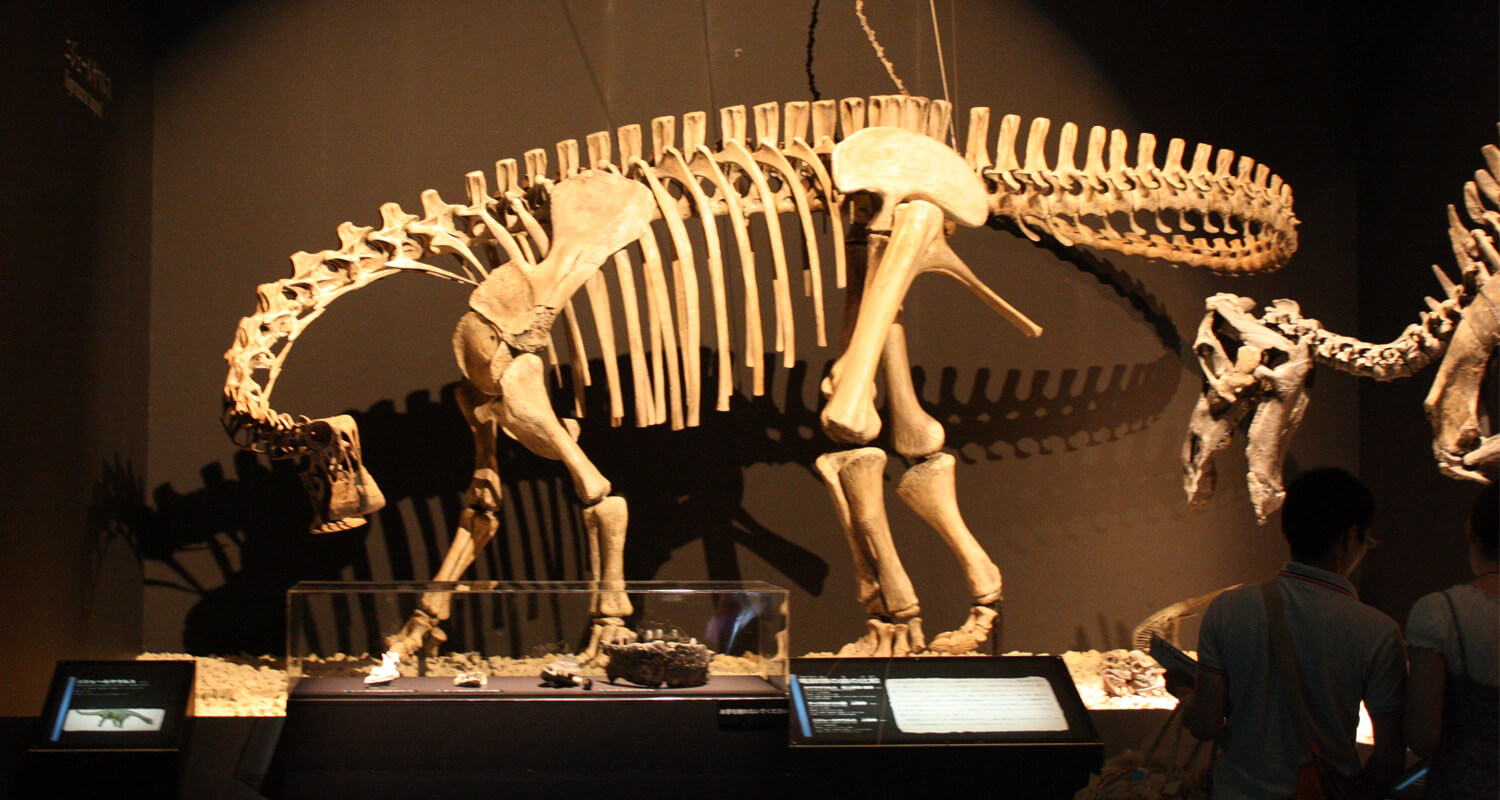
What Did the Dinosaur with 500 Teeth Look Like?
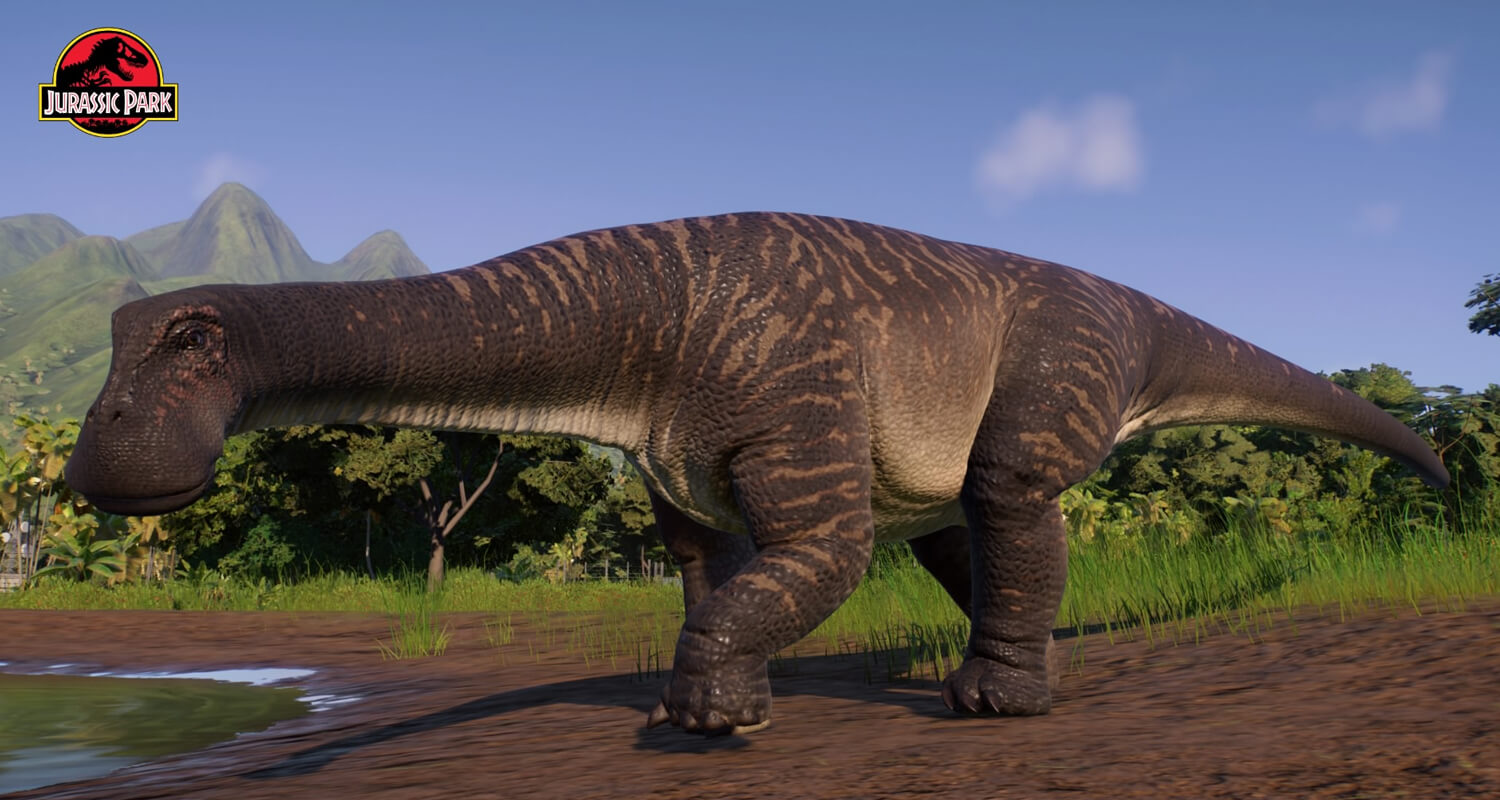
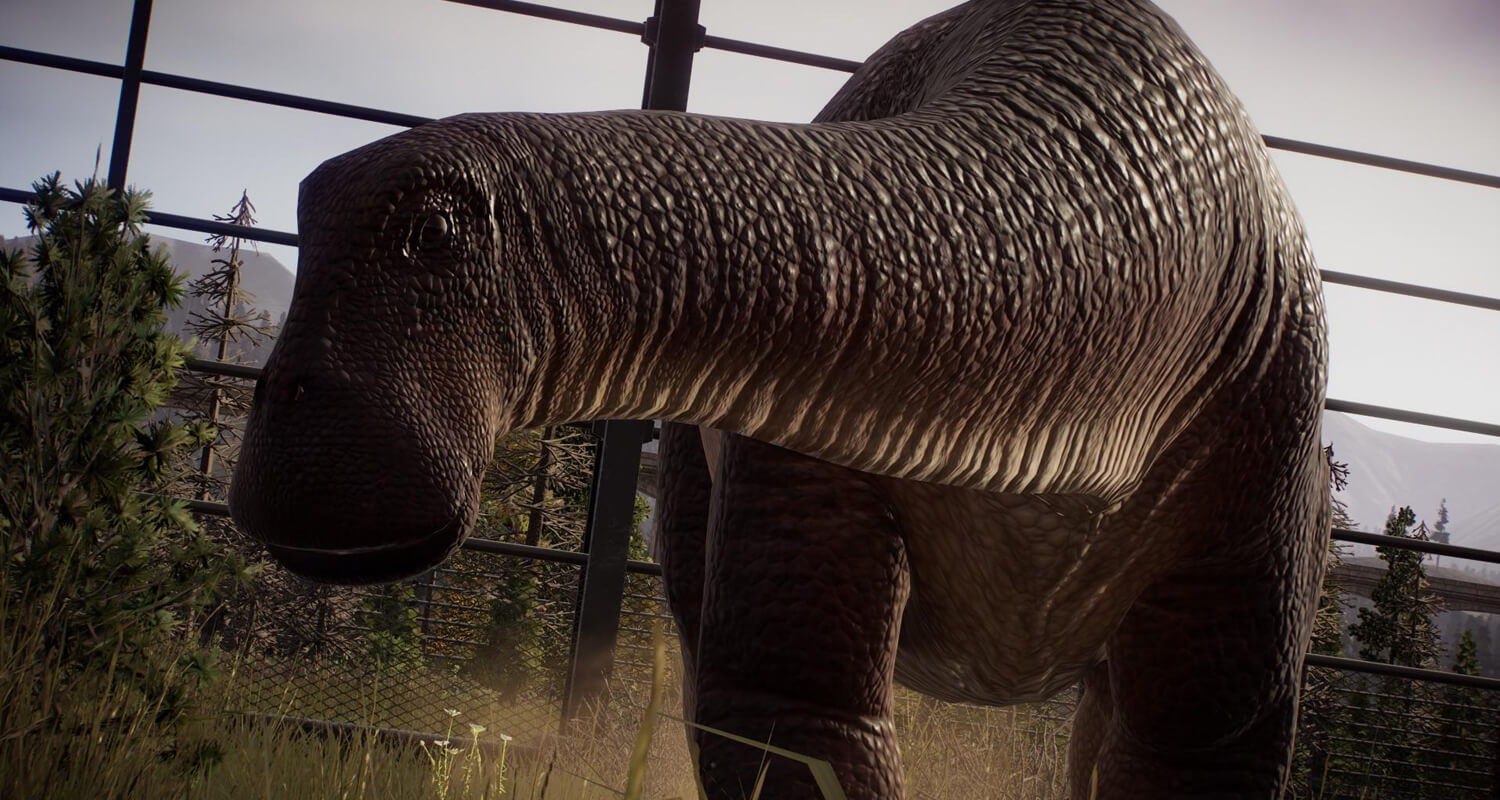
Nigersaurus was a sauropod, the group of four-legged herbivorous dinosaurs usually recognized by their long necks, long tails and small heads.
However, Nigersaurus looked different from many famous sauropods. It measured approximately 9 meters long and had a shorter neck than dinosaurs such as Diplodocus and Brachiosaurus.
Its most distinctive features included:
A broad, straight-edged muzzle
A small and lightly constructed skull
Teeth concentrated at the front of the jaws
A relatively short neck with 13 neck vertebrae
Air-filled spaces inside many vertebrae
Four weight-bearing legs and a long tail
The skull was extremely lightweight and delicate. Researchers used CT scanning and digital reconstruction to study its fragile bones without causing unnecessary damage.
Nigersaurus is one example of the remarkable diversity found among long-necked dinosaurs.
Where and When Did Nigersaurus Live?
Nigersaurus lived approximately 110 million years ago during the Early Cretaceous period. Its fossils were discovered in the Elrhaz Formation in the Gadoufaoua region of Niger.
Although this area is part of the Sahara Desert today, the environment was very different when Nigersaurus lived. Geological evidence indicates that the region included rivers, floodplains and abundant vegetation.
Nigersaurus shared this environment with other prehistoric animals, including the plant-eating Ouranosaurus and the large predatory dinosaur Suchomimus.
How Was Nigersaurus Discovered?
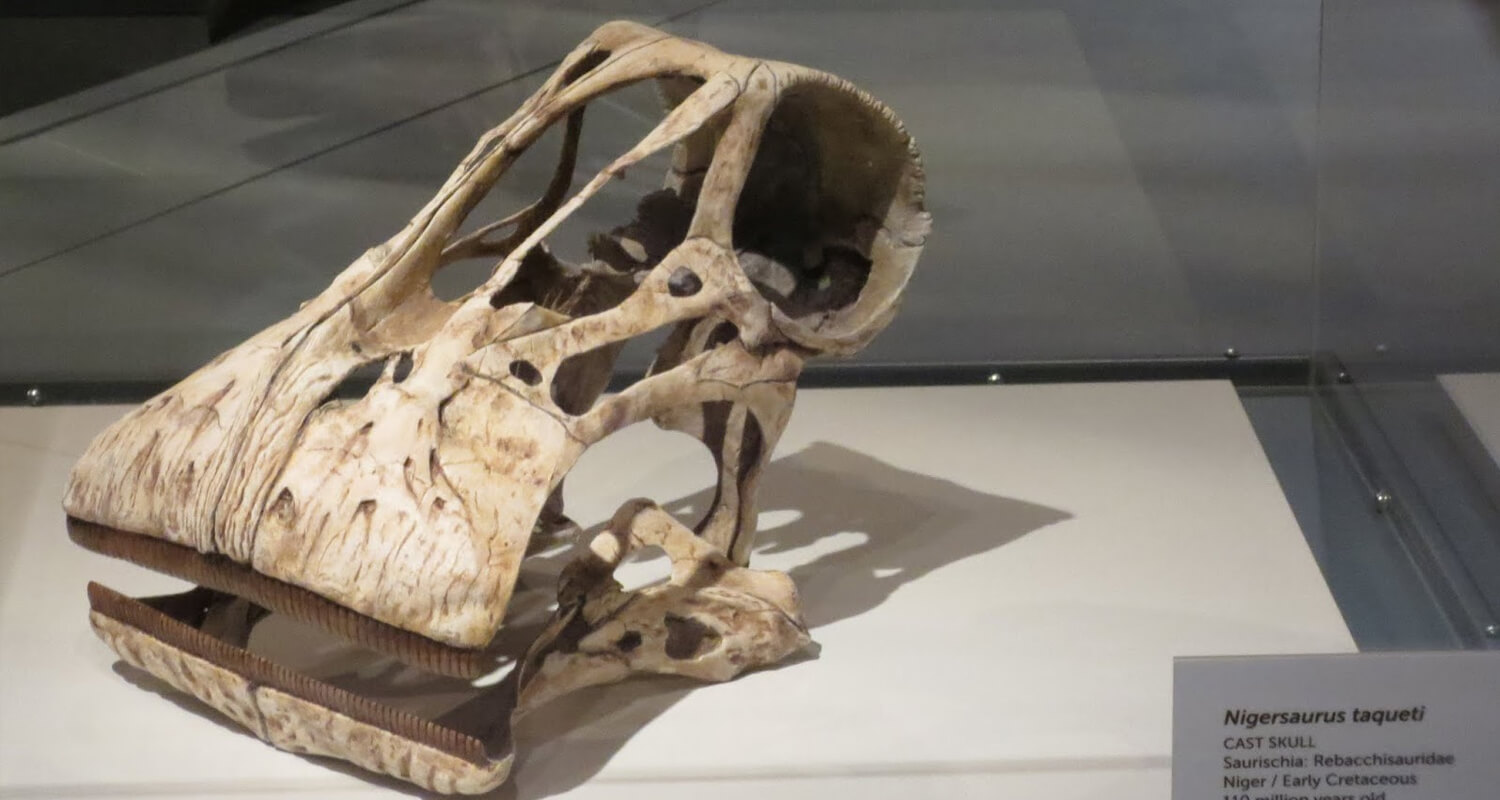
Fossil material now associated with Nigersaurus was collected during earlier expeditions in Niger, but the dinosaur was formally named Nigersaurus taqueti in 1999.
The species name honors French paleontologist Philippe Taquet, whose expeditions contributed to the early study of dinosaurs from Niger.
Additional fossils, including important skull and skeletal material, were collected during expeditions in 1997 and 2000. In 2007, paleontologist Paul Sereno and his colleagues published a detailed study of the dinosaur’s skull, teeth, braincase and skeleton.
Because many of the skull bones were delicate or incomplete, the research team used micro-CT scans, digital models and physical reconstructions to assemble a more complete picture of the animal.
What Did Nigersaurus Eat?
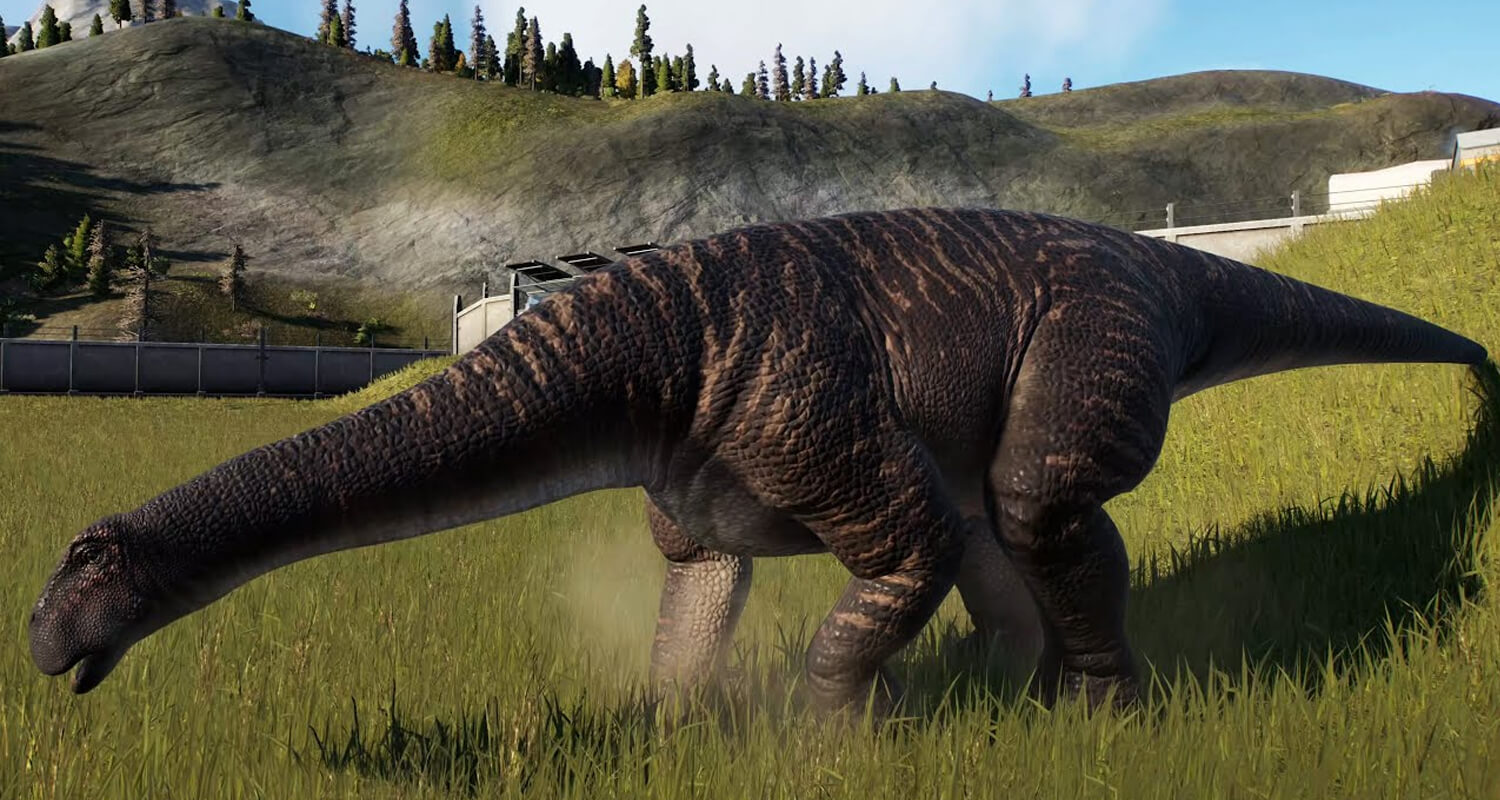
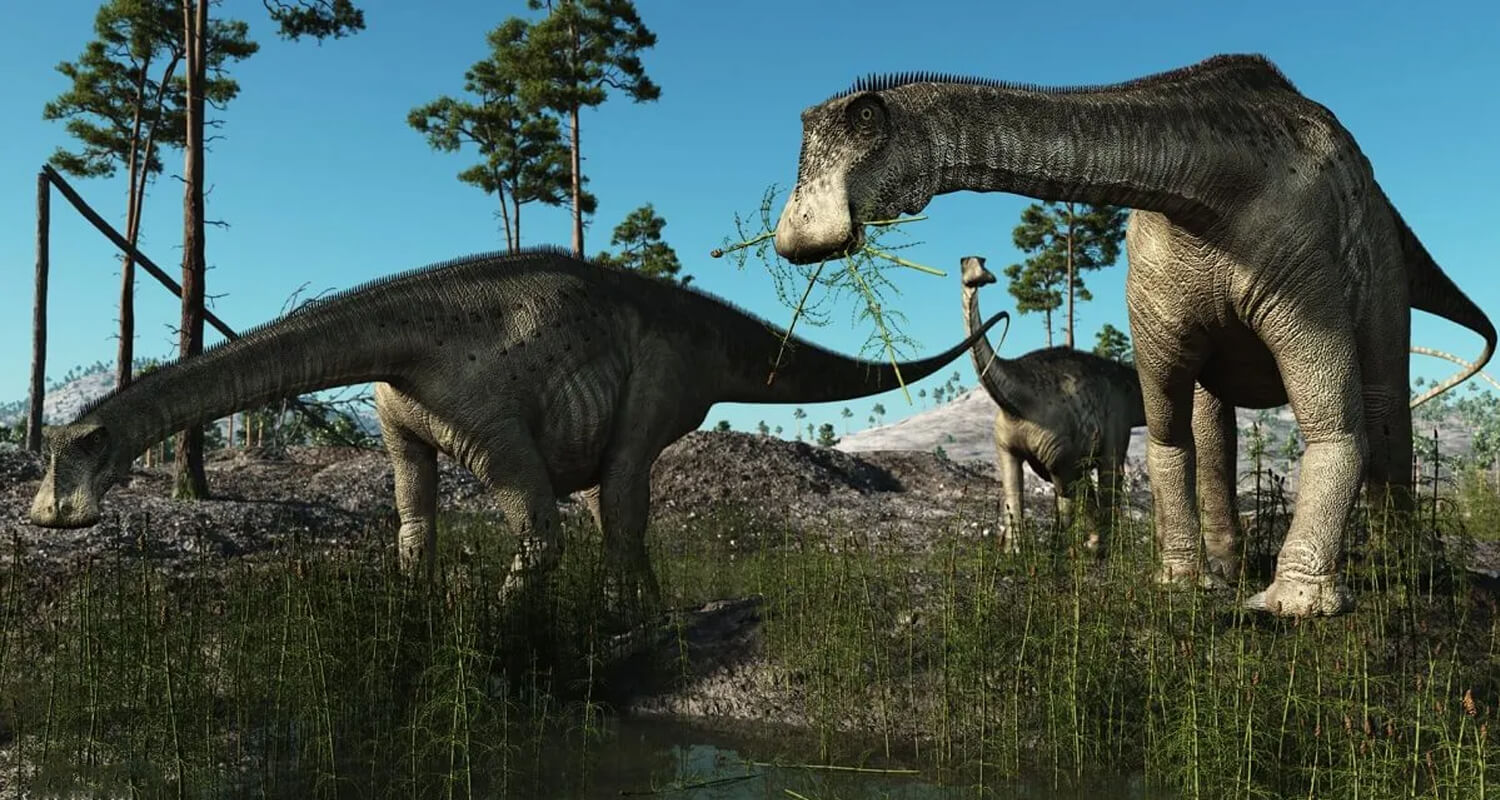
Nigersaurus was a herbivore adapted to eating relatively soft vegetation close to the ground.
Its wide muzzle pointed downward, allowing it to gather plants from a broad area. Tooth wear and jaw structure suggest that it cropped vegetation rather than chewing it in the same way as a modern cow.
Possible food sources included:
Ferns
Horsetails
Young shoots
Other soft, low-growing plants
The exact diet cannot be known with certainty because direct stomach-content evidence is not available. However, its skull position, tooth shape and wear patterns strongly support a ground-level browsing lifestyle.
How Did Nigersaurus Use Its Teeth?
Nigersaurus used the active teeth at the front of its jaws to gather and slice vegetation. As these teeth became worn, replacements moved forward from inside the dental batteries.
This system functioned somewhat like a continuously renewed cutting edge. It allowed Nigersaurus to replace damaged teeth without waiting for an entirely new set to develop.
The dinosaur probably used mainly vertical jaw movement. Its teeth produced wear surfaces through tooth-to-tooth contact, but its feeding mechanism was different from the complex grinding action of modern grazing mammals.
Why Is Nigersaurus Important?
Nigersaurus helps paleontologists understand how different sauropods adapted to different food sources.
Many popular images show long-necked dinosaurs reaching into tall trees. Nigersaurus demonstrates that some sauropods specialized in feeding near the ground instead. Its short neck, downward-facing muzzle and rapidly replaced teeth formed a highly specialized low-browsing system.
The dinosaur is also important to the history of paleontology because its fragile skull was reconstructed using CT scans and digital modeling. This allowed researchers to examine internal structures that would have been difficult to study using traditional preparation alone.
Frequently Asked Questions
What dinosaur had 500 teeth?
Nigersaurus taqueti is commonly known as the dinosaur with 500 teeth. Its skull contained more than 500 active and replacement teeth arranged in dental batteries.
Did Nigersaurus have exactly 500 teeth?
“500 teeth” is a simplified description. The scientific study reported more than 500 active and replacement teeth in a single skull. The number did not mean that all the teeth were visible or being used simultaneously.
Was Nigersaurus a real dinosaur?
Yes. Nigersaurus was a real sauropod dinosaur known from fossils discovered in Niger. Its skull and skeleton have been studied using fossil preparation, CT scanning and digital reconstruction.
How do you pronounce Nigersaurus?
Nigersaurus is generally pronounced nee-zhayr-sore-us. The name refers to Niger, the African country where its fossils were found.
What does Nigersaurus mean?
Nigersaurus means “Niger lizard.” The genus was named after the Republic of Niger, while the species name taqueti honors paleontologist Philippe Taquet.
Was Nigersaurus dangerous?
Nigersaurus was a plant-eating dinosaur rather than a predator. Like other large animals, it could potentially have defended itself, but its teeth were adapted for processing vegetation, not hunting other dinosaurs.
Did Nigersaurus replace its teeth every 14 days?
The widely cited 2007 scientific study estimated a replacement rate of approximately one month. Some later popular articles give shorter estimates, but one month is the safer figure to use when referring directly to that research.
Was Nigersaurus the dinosaur with the most teeth?
Nigersaurus is one of the best-known dinosaurs with hundreds of teeth. Its total includes active teeth and multiple generations of replacement teeth stored inside the jaws, so comparisons with dinosaurs that had different dental systems should be made carefully.
Conclusion
The dinosaur with 500 teeth was Nigersaurus, a 9-meter-long herbivorous sauropod that lived in Niger approximately 110 million years ago.
Its broad muzzle, ground-facing head and dental batteries containing more than 500 active and replacement teeth made it highly adapted to feeding on low-growing vegetation. The teeth were continuously renewed, with individual teeth being replaced approximately once a month.
For museums, dinosaur parks and educational exhibitions, Gecai Culture can also customize an animatronic dinosaur based on Nigersaurus or other prehistoric species.
Tags:
- No Data Available