About us
Gecai Culture stands at the forefront of bringing the past to life through our state-of-the-art Animatronic Dinosaurs, enchanting Animatronic Creatures, vibrant Chinese Festival Lanterns, and tailored Custom Products. As a professional manufacturer nestled in the heart of China, we harbor a deep-seated passion for showcasing our lifelike dinos and animals in museums, exhibitions, zoos, parks, and beyond, aiming to kindle a flame of curiosity and learning in people of all ages.
Get a free quote
Company News
Animatronic Dinosaur Lifespan: How Many Years Can They Really Last?
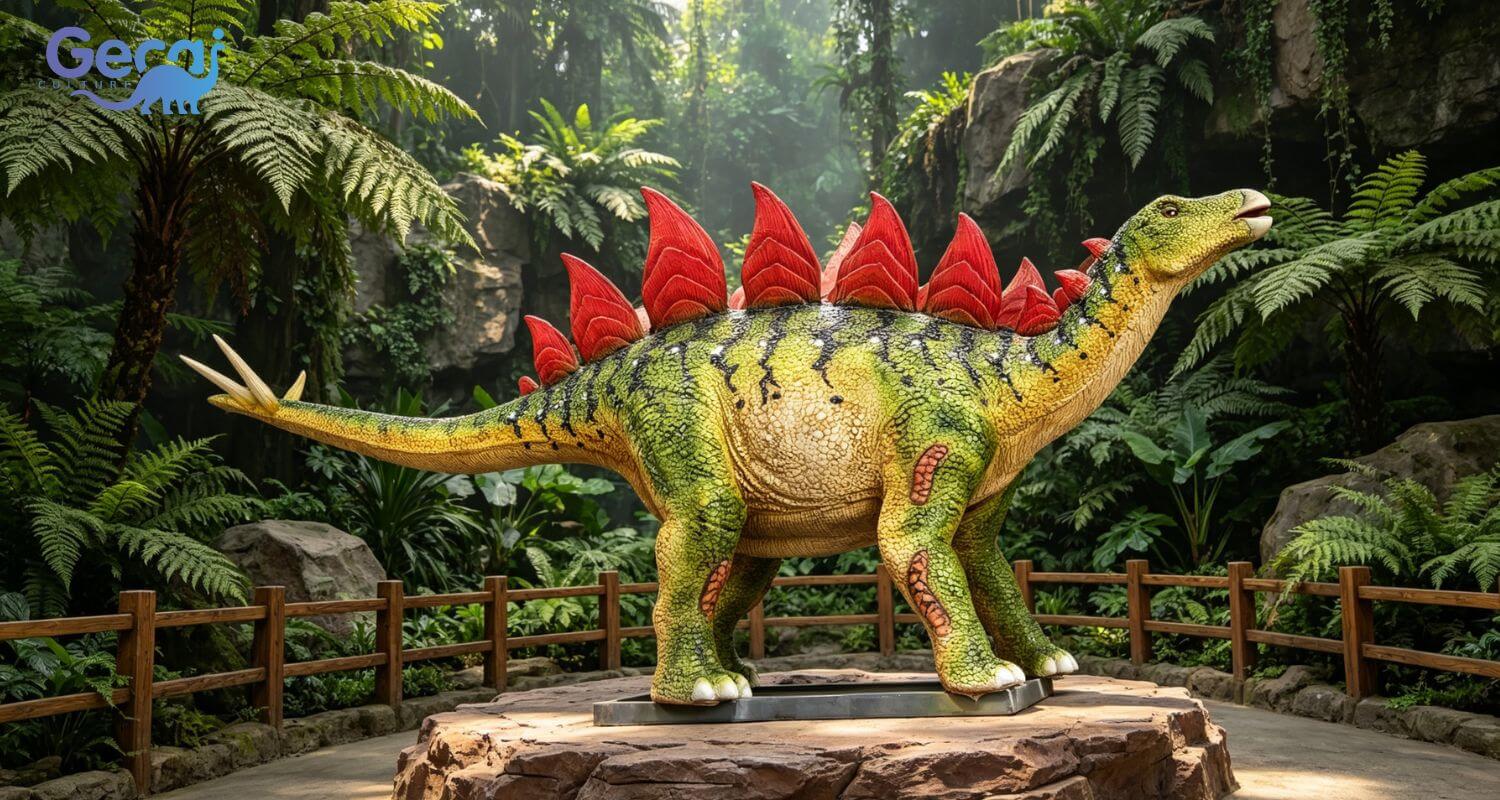
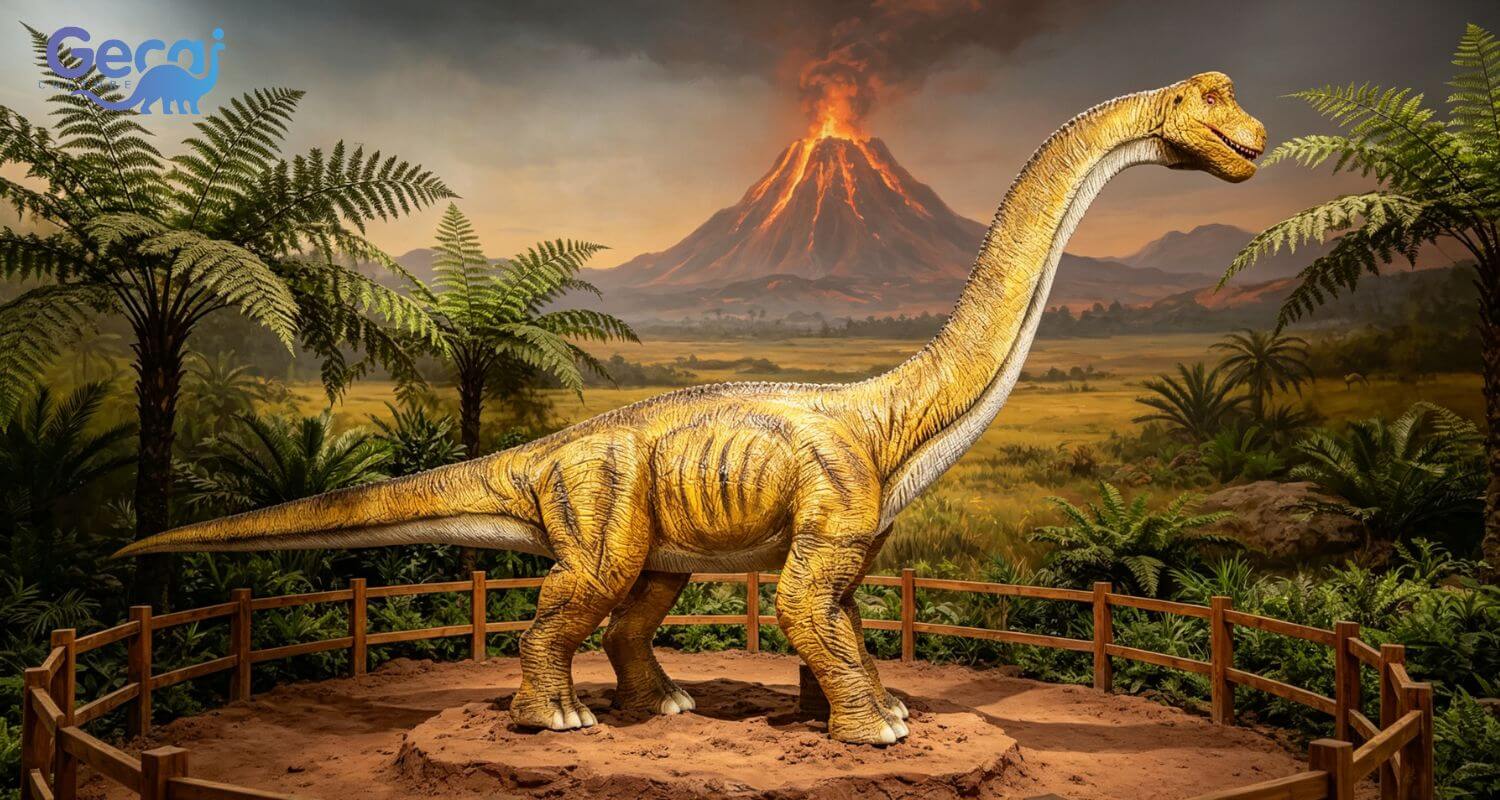 Animatronic dinosaurs are built to impress—giant moving jaws, roaring sound systems, shifting eyes, and lifelike skin that brings prehistoric worlds back into modern attractions. But beyond the spectacle, one practical question matters most for investors and operators: how long do animatronic dinosaurs actually last?
The answer depends on design quality, environment, and maintenance habits, but most units follow a fairly predictable lifespan pattern.
Average Lifespan of Animatronic Dinosaurs
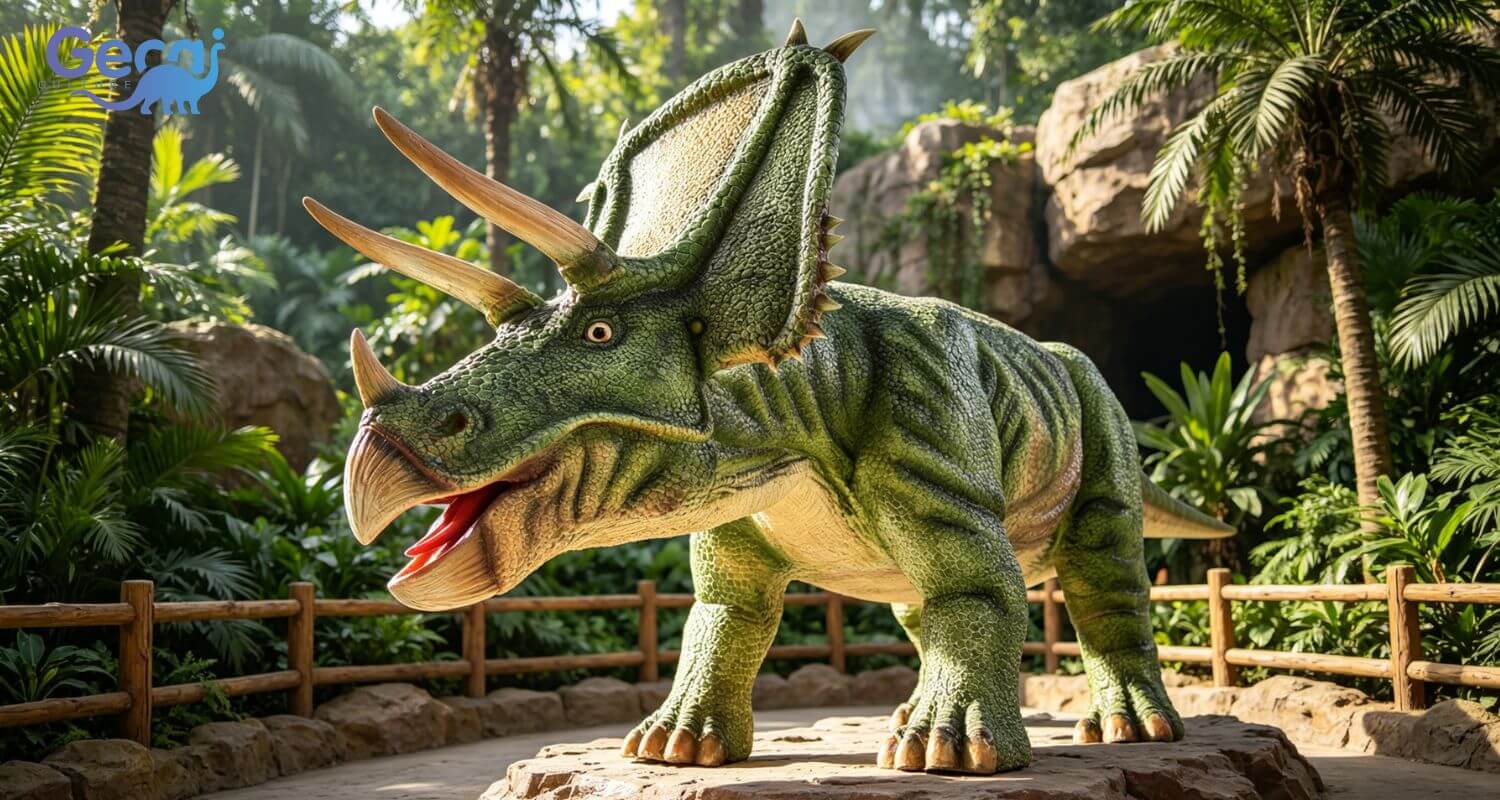 In general, well-made animatronic dinosaurs last 5 to 10 years, while premium models with strong maintenance can exceed 10 years or more.
Indoor vs Outdoor Usage
Indoor dinosaurs usually last longer because they are protected from:
Rain and humidity
UV exposure
Temperature fluctuations
Outdoor dinosaurs, on the other hand, face constant environmental stress, which can shorten lifespan if protection systems are not properly applied.
Usage Intensity
A dinosaur used in a busy theme park operating daily will naturally wear faster than one in a museum that runs on scheduled intervals. Motion frequency directly affects motor and joint durability.
Main Factors That Affect Lifespan
 Materials and Build Quality
The internal steel frame, silicone skin, and foam structure determine how well the dinosaur resists long-term stress. Higher-quality materials slow down aging significantly.
Motors and Control Systems
Servo motors, controllers, and wiring systems are the “nervous system” of animatronic dinosaurs. Stable electronics ensure smooth motion and reduce breakdown risk.
Environment and Climate
Sunlight, rain, dust, and temperature changes all contribute to gradual wear. Coastal or extreme climates tend to accelerate aging.
Maintenance Routine
Regular inspection, lubrication, and part replacement can dramatically extend service life. Poor maintenance is the fastest way to shorten lifespan.
How to Extend the Lifespan
 Proper operation and care can significantly improve durability:
Perform routine inspections of mechanical parts
Keep outdoor units protected with waterproof and UV-resistant layers
Avoid nonstop long-hour operation without rest cycles
Replace worn components early before damage spreads
Work with manufacturers that provide spare parts and technical support
A well-maintained animatronic dinosaur often outlives its expected lifespan and continues performing smoothly for years.
Conclusion
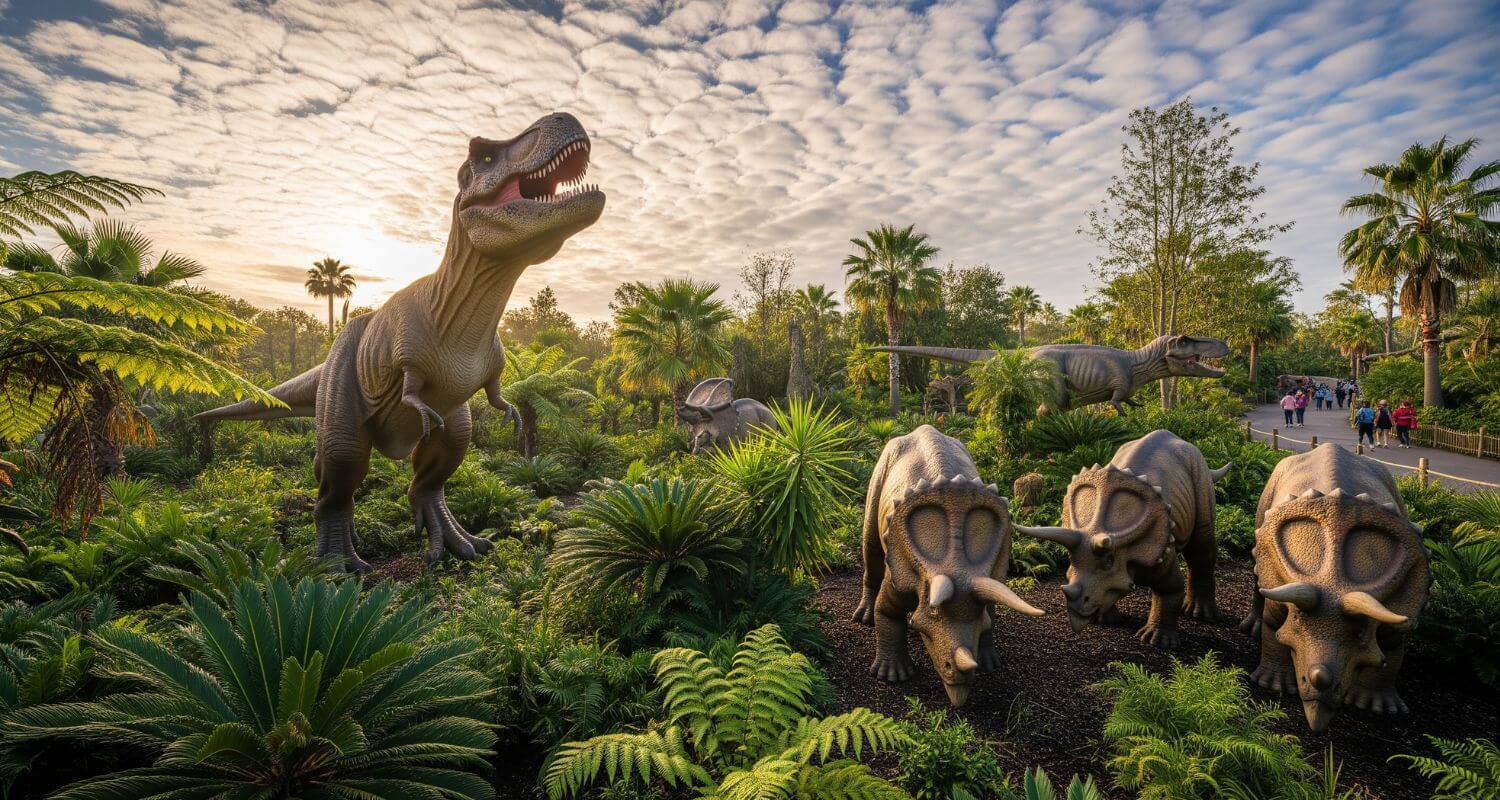 Animatronic dinosaurs are not just short-term attractions—they are long-term investment pieces when properly built and maintained. While the typical lifespan ranges from 5 to 10+ years, the real limit is often determined less by time and more by care.
With strong engineering, smart usage, and consistent maintenance, these mechanical giants can continue entertaining audiences long after their first roar echoes through the park.
FAQs
 How long do animatronic dinosaurs usually last?
Most animatronic dinosaurs last around 5–10 years, with high-quality models lasting even longer under proper maintenance.
Can animatronic dinosaurs be used outdoors permanently?
Yes, but they require waterproofing, UV protection, and regular maintenance to withstand long-term outdoor conditions.
What maintenance do animatronic dinosaurs need?
Routine cleaning, lubrication of moving parts, electrical inspections, and periodic replacement of worn components.
What part of an animatronic dinosaur wears out the fastest?
Motors, joints, and external skin materials are usually the first components to show wear over time.
Can old animatronic dinosaurs be repaired?
Yes. Many can be restored by replacing motors, updating control systems, or re-skinning damaged exterior parts.
Does usage frequency affect lifespan?
Absolutely. Higher daily operating time increases mechanical wear and shortens overall lifespan if not properly maintained.
Tags: