About us
Gecai Culture stands at the forefront of bringing the past to life through our state-of-the-art Animatronic Dinosaurs, enchanting Animatronic Creatures, vibrant Chinese Festival Lanterns, and tailored Custom Products. As a professional manufacturer nestled in the heart of China, we harbor a deep-seated passion for showcasing our lifelike dinos and animals in museums, exhibitions, zoos, parks, and beyond, aiming to kindle a flame of curiosity and learning in people of all ages.
Get a free quote
Dinosaur Knowledge
Did Dinosaurs Build Nests Like Modern Birds?
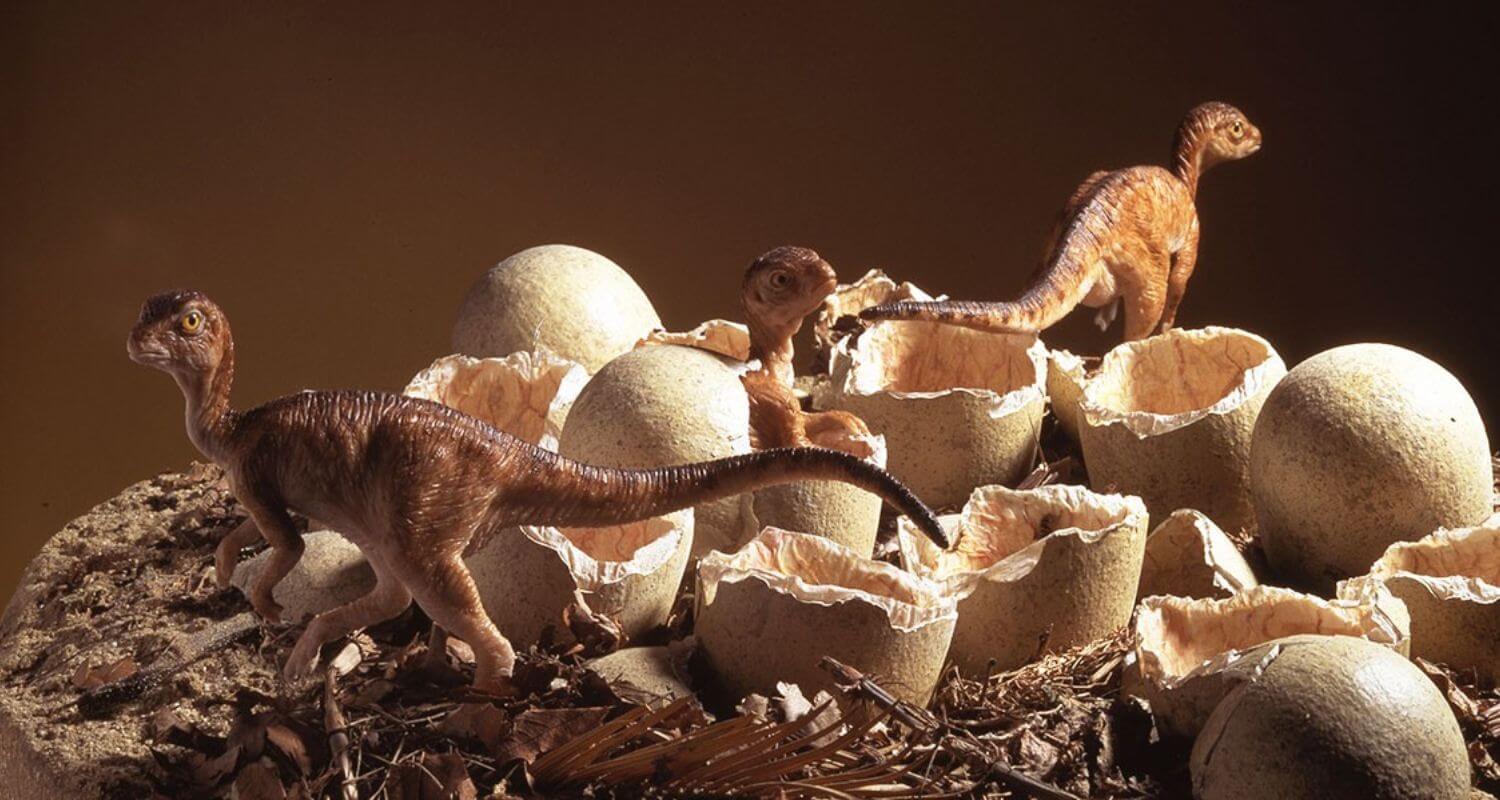 When we picture dinosaur reproduction, it is easy to imagine eggs scattered randomly across a prehistoric landscape. However, fossil discoveries over the past few decades tell a very different story. Many dinosaurs did not simply lay eggs and walk away. Instead, evidence suggests that some species built organized nests, carefully arranged their eggs, and even guarded or incubated them.
This raises a fascinating question: did dinosaurs build nests like modern birds? Exploring dinosaur nesting behavior not only reshapes how we imagine these ancient animals, but also strengthens the evolutionary link between non-avian dinosaurs and today's birds.
What Counts as a "Nest" in Dinosaur Fossils?
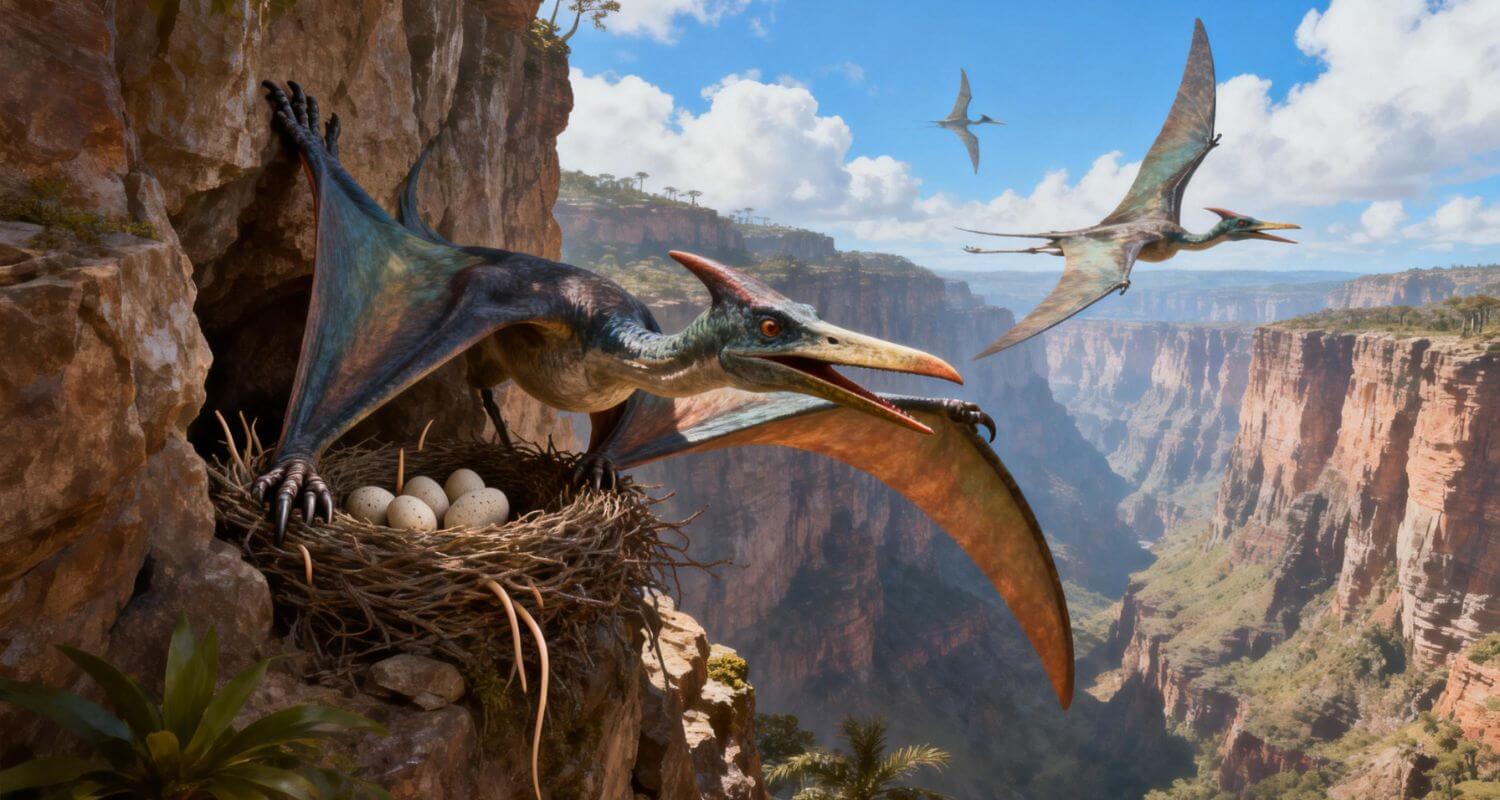 In paleontology, a nest is more than a cluster of fossilized eggs. Scientists identify dinosaur nests using several clues:
Eggs arranged in deliberate patterns
Bowl-shaped depressions or constructed mounds
Multiple clutches found in the same area
Adult dinosaur fossils preserved near eggs
Because soft materials like leaves or twigs rarely fossilize, dinosaur nests often appear simpler than bird nests. Still, their structure and placement clearly indicate purposeful construction rather than chance egg-laying.
Fossil Evidence of Dinosaur Nesting Behavior
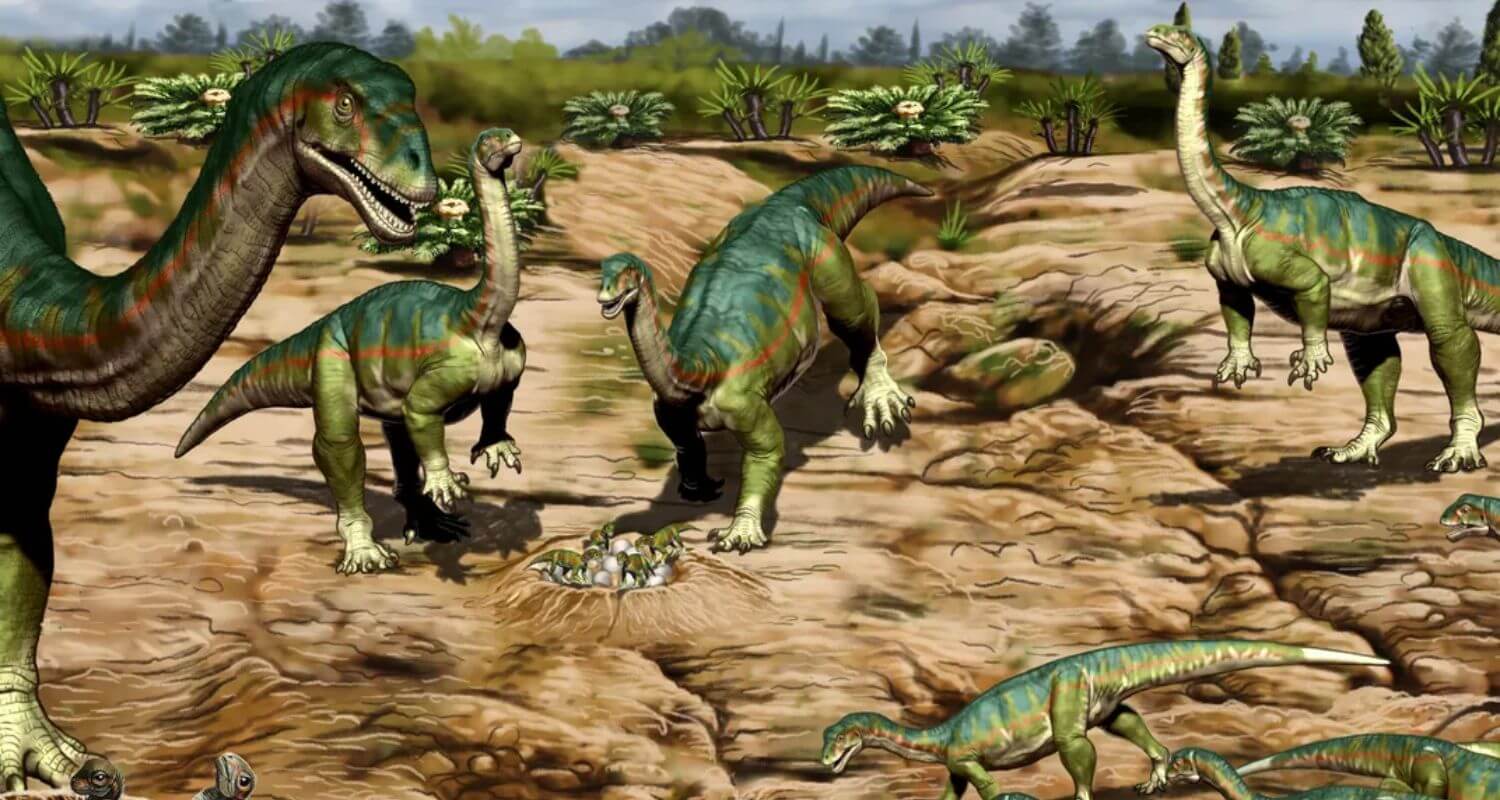 Some of the most compelling nesting evidence comes from well-documented fossil sites:
Oviraptorid nests discovered in Mongolia show circular arrangements of eggs, often with an adult fossil positioned directly on top.
Hadrosaur nesting grounds in North America reveal large colonies where many individuals returned to the same site season after season.
Sauropod nests found in Argentina and India suggest shallow pits dug into soft sediment.
These discoveries show that nesting behavior was not rare or accidental. It was a repeated, intentional activity for many dinosaur species.
How Dinosaur Nests Compare to Modern Bird Nests
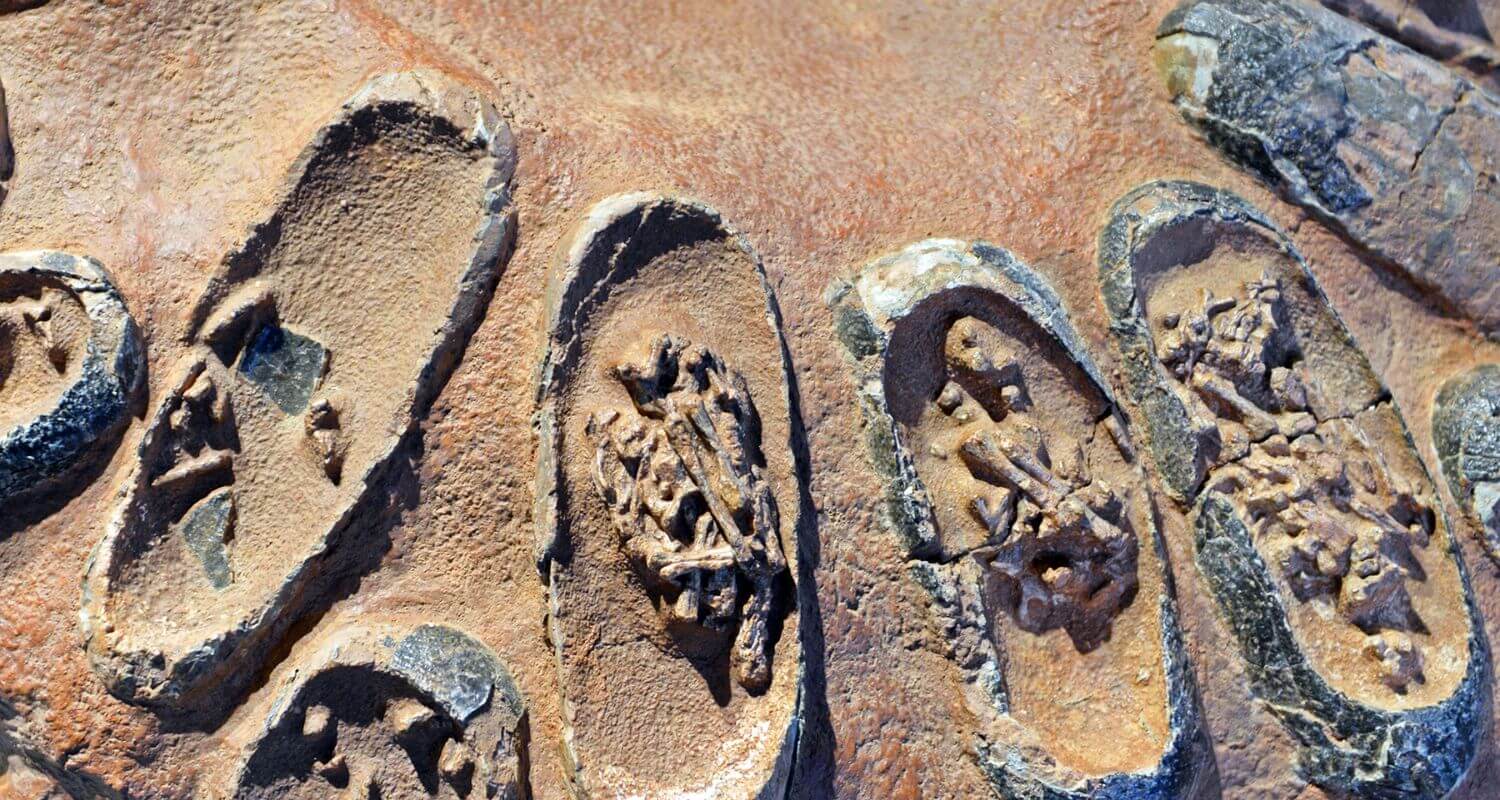 While dinosaur nests differ in materials and scale, they share surprising similarities with bird nests:
Key similarities
Organized egg placement rather than random scattering
Repeated use of specific nesting sites
Evidence of parental presence and protection
Key differences
Dinosaur nests were usually ground-based
Eggs were often partially buried in sand or soil
Clutch sizes were much larger than most modern birds
Modern birds use twigs, feathers, and plant fibers, while dinosaurs relied on earth, sand, and natural heat sources. Despite these differences, the underlying behavior shows a clear evolutionary connection.
Did Dinosaurs Sit on Their Eggs Like Birds Do?
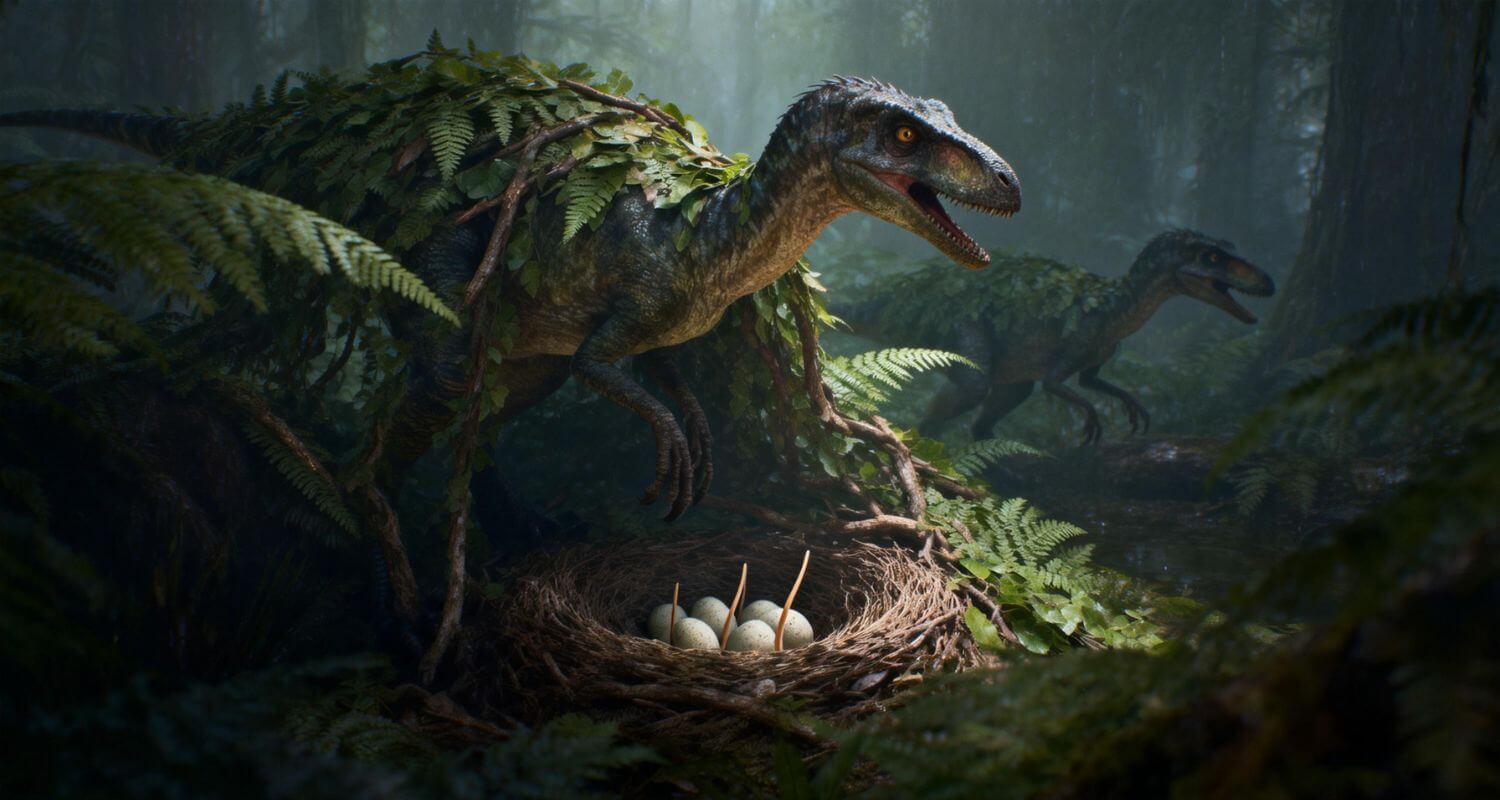 Some dinosaurs likely did. Fossils of oviraptorosaurs preserved in a brooding posture are among the strongest evidence. Their arms are spread symmetrically over the egg clutch, closely resembling how birds incubate eggs today.
However, incubation strategies varied:
Some species used body heat
Others relied on environmental warmth, such as sunlight, volcanic soil, or decaying vegetation
This diversity mirrors modern animals, where birds, reptiles, and even insects use different incubation methods.
Parental Care: Were Dinosaurs Attentive Parents?
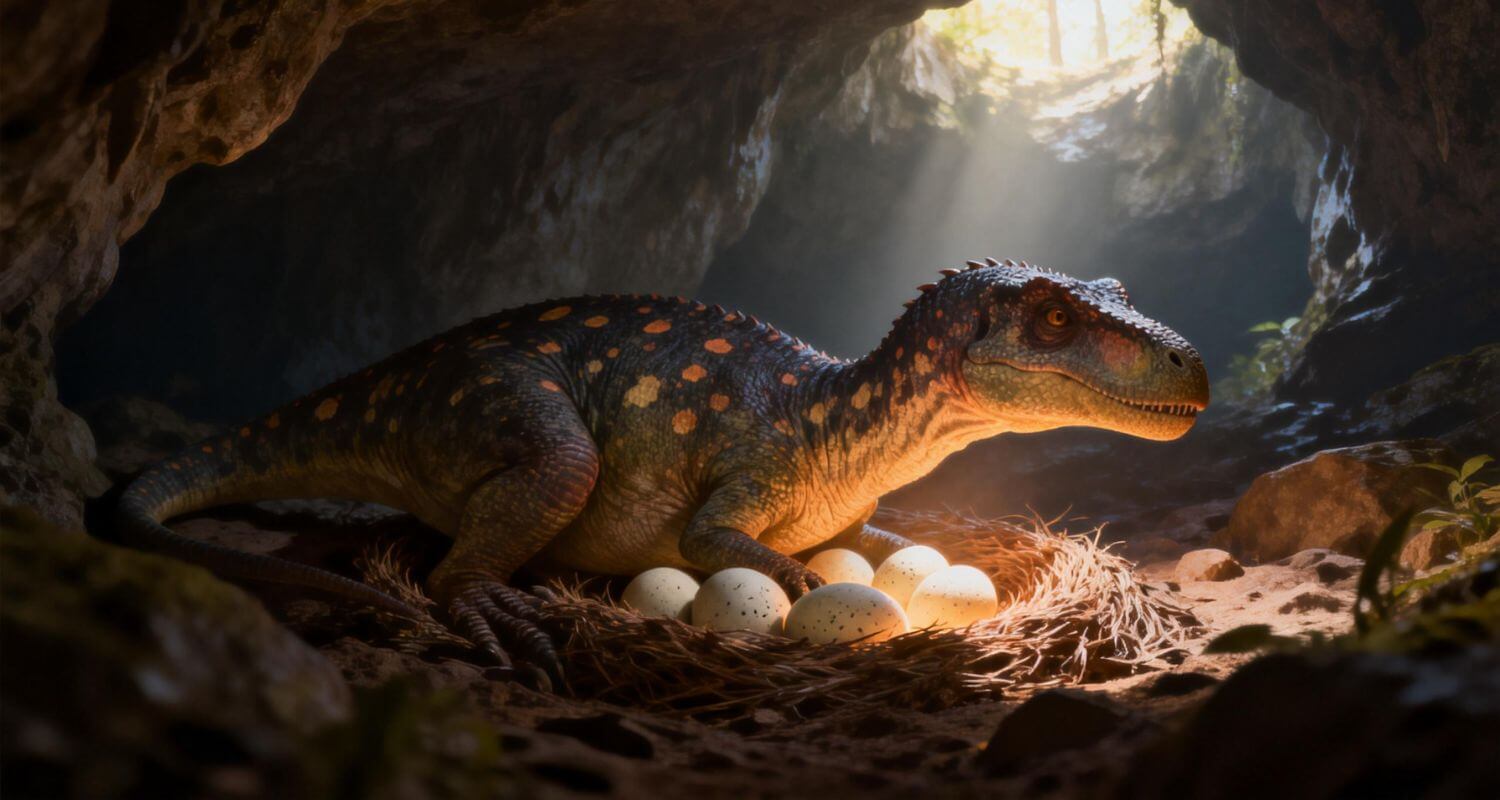 Nesting fossils suggest that many dinosaurs displayed parental care:
Adults found near nests imply guarding behavior
Juvenile fossils near nesting sites suggest young stayed close after hatching
Colonial nesting points to social cooperation and protection
Rather than cold, indifferent reptiles, these dinosaurs appear more like vigilant caretakers, watching over their eggs and offspring.
Which Dinosaurs Built the Most Bird-Like Nests?
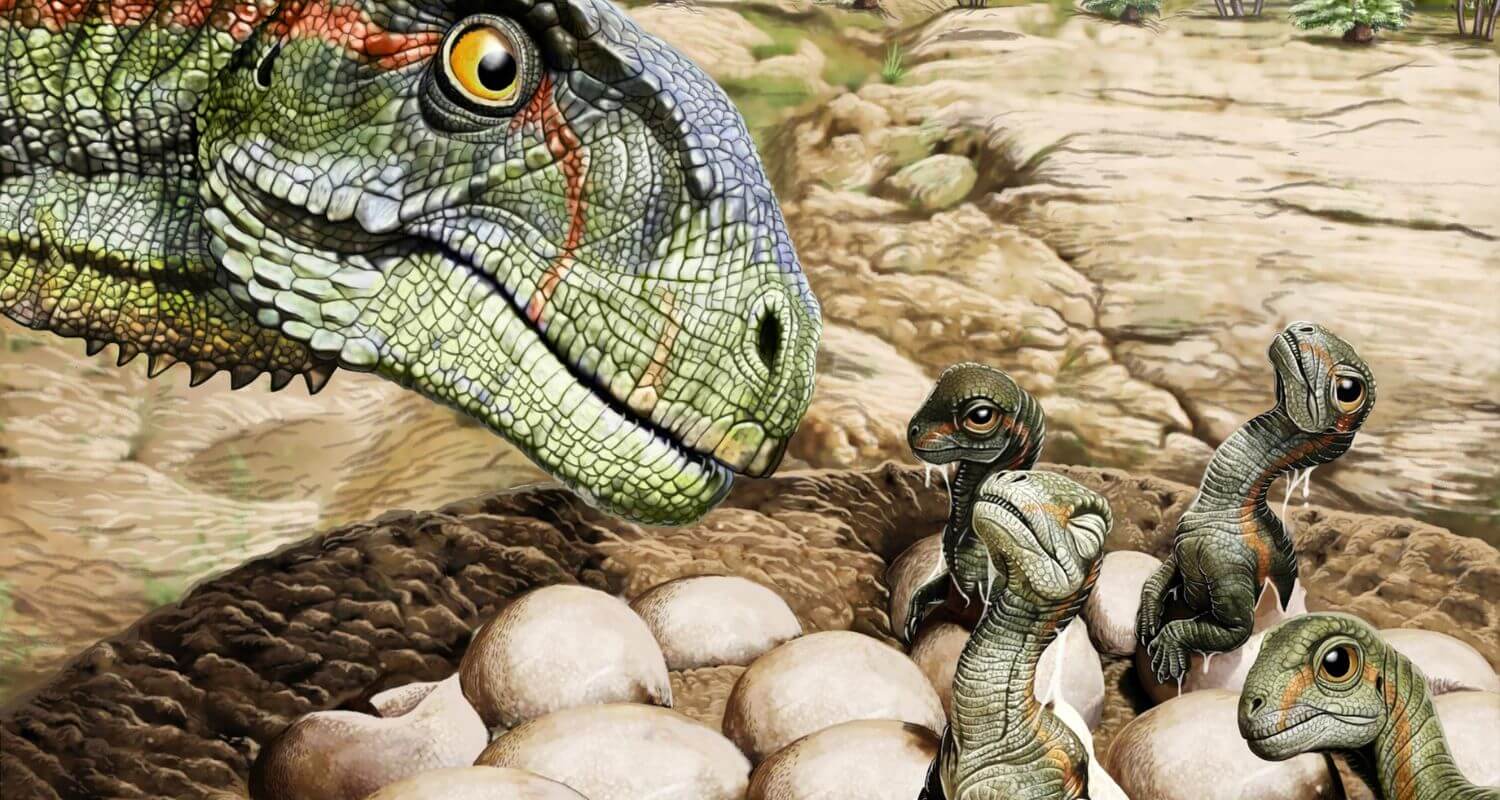 Theropod dinosaurs show the strongest resemblance to modern birds. Species such as Troodon and oviraptorosaurs built organized nests and likely practiced brooding.
These similarities reinforce the idea that birds are not just related to dinosaurs; they are living dinosaurs, carrying ancient reproductive behaviors into the present.
What Dinosaur Nests Reveal About Evolution
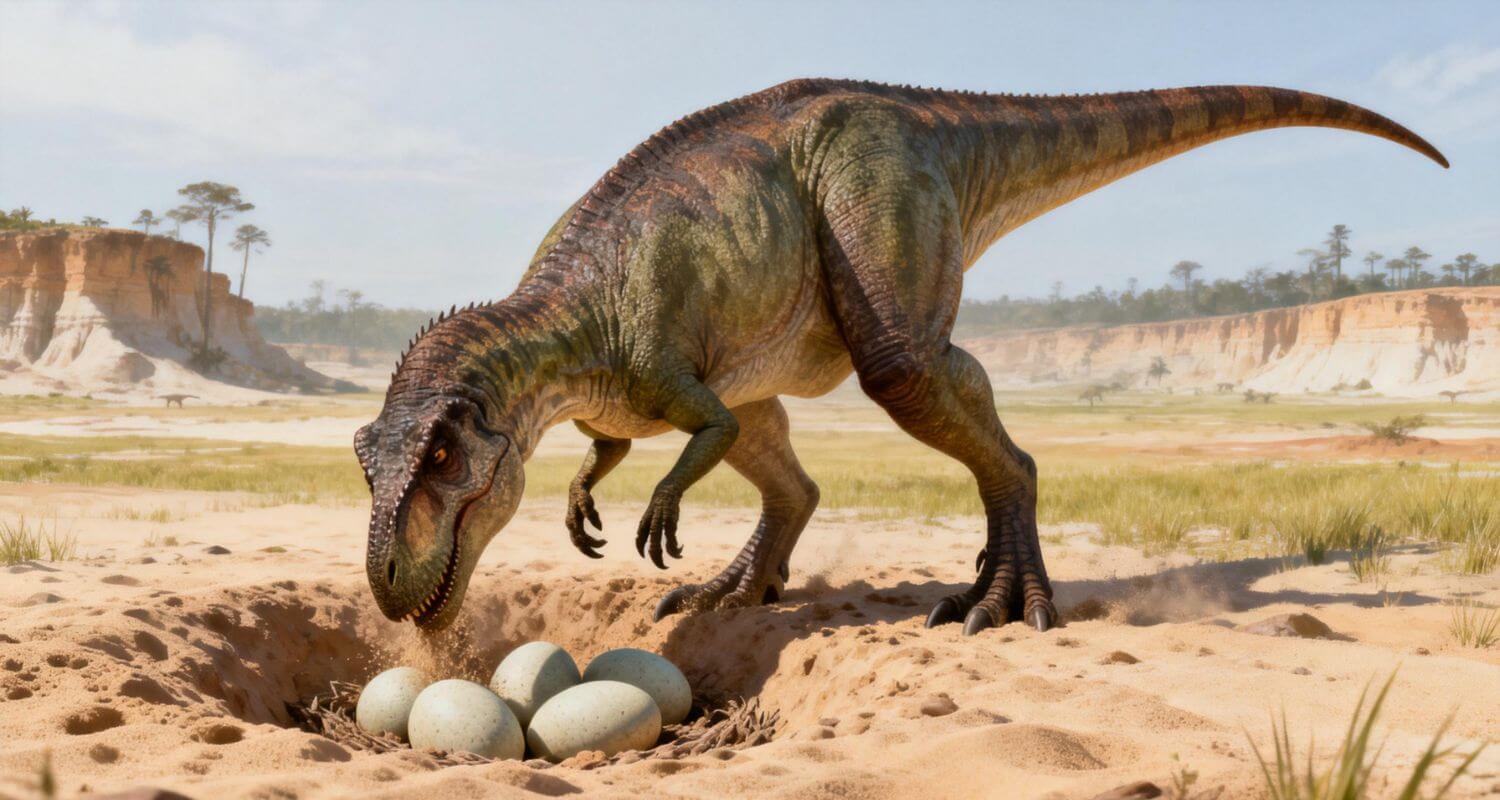 Nesting behavior bridges anatomy and behavior in evolutionary studies. Dinosaur nests demonstrate:
A gradual shift from reptile-like egg burial to bird-like incubation
Increasing parental involvement over time
Behavioral evolution that parallels physical changes like feathers and hollow bones
Understanding nests helps scientists reconstruct dinosaur life as dynamic, social, and surprisingly familiar.
Conclusion: From Prehistoric Ground Nests to Modern Bird Nests
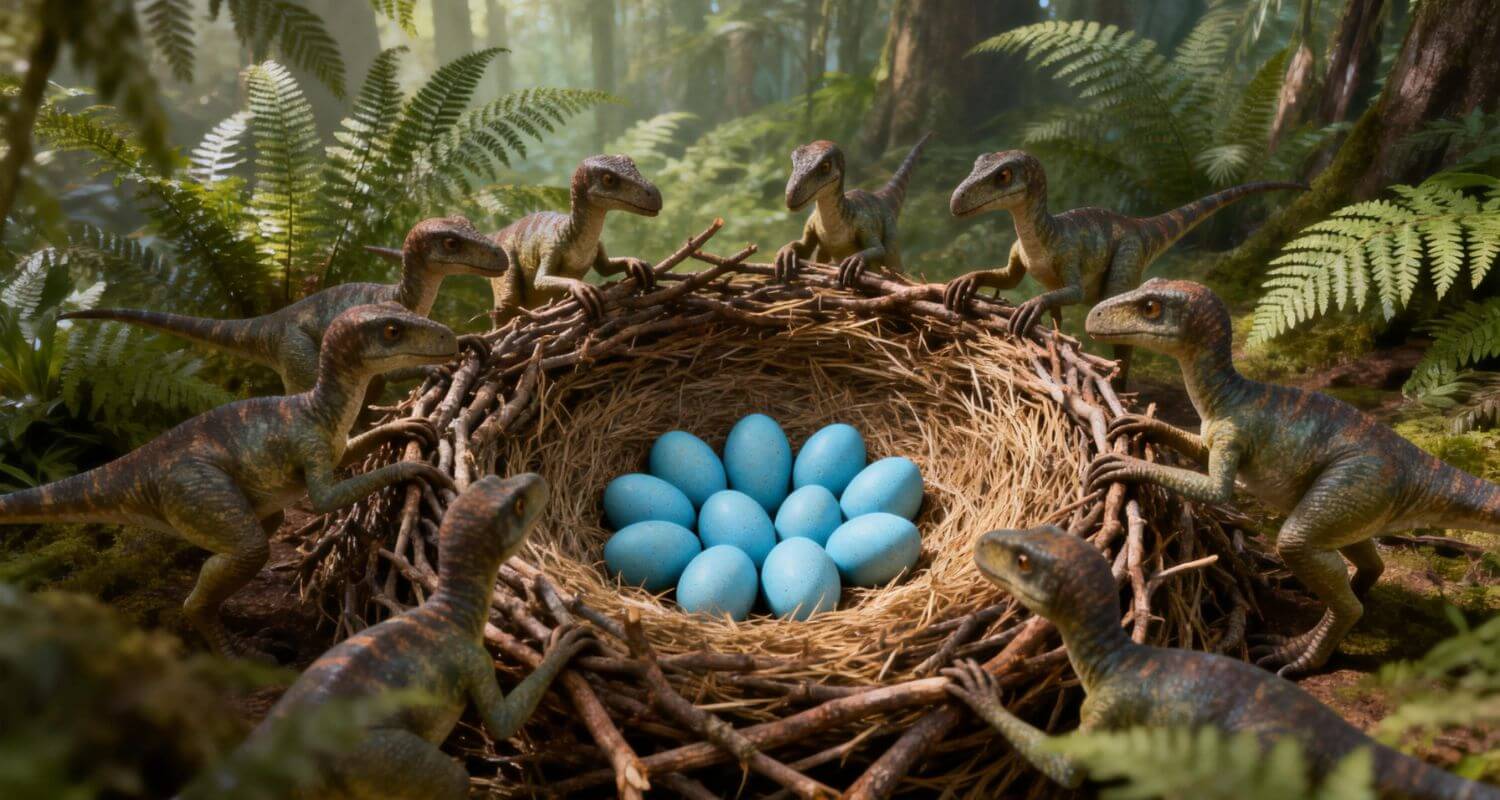 So, did dinosaurs build nests like modern birds? The answer is partially, but meaningfully so. While their nests were simpler and ground-based, many dinosaurs carefully arranged their eggs, protected them, and in some cases incubated them.
These ancient nesting habits laid the foundation for the complex nesting behaviors seen in birds today. Each fossilized nest is not just a remnant of reproduction, but a quiet record of care, strategy, and evolution stretching across millions of years.
Tags:
- No Data Available